 zishengelectric





news
News Center
Providing high-quality power to the world
Search productSearch post
news
Providing high-quality power to the world
In EPC projects, transformer issues rarely appear during the quotation stage.
They usually become visible later — during installation, inspection, or commissioning, when changes are costly and project schedules are already under pressure.
A transformer quotation may look competitive. Technical parameters may appear correct. However, successful project delivery depends on many details behind the specification sheet:
For EPC contractors working on renewable energy plants, industrial facilities, mining projects, utility substations, and infrastructure developments, choosing a transformer manufacturer is not only an equipment purchasing decision.
It is also a decision about project risk control.
The right supplier should support the complete process — from technical clarification and engineering review to manufacturing, factory testing, and final delivery.
Most EPC procurement processes begin with collecting quotations from multiple transformer suppliers.
Price comparison is necessary, but selecting a transformer manufacturer only by quotation value can create problems during later project stages.
A transformer may meet the basic technical specification while still requiring design adjustments because of actual operating conditions.
During overseas projects, transformer design is usually affected by factors such as:
For example:
A transformer used in a mining project may experience frequent motor starting and mechanical impact.
A transformer installed in a solar plant may operate under high temperature and outdoor conditions for long periods.
A qualified transformer manufacturer reviews these conditions before production instead of simply manufacturing according to a standard datasheet.
A transformer project often involves more than manufacturing equipment according to drawings.
One EPC contractor required a 5MVA 33/11kV oil immersed transformer for a copper mining project in Zambia.
During the technical review stage, the project team discussed several site conditions:
Based on these requirements, the transformer design was adjusted to improve suitability for the application.
The engineering considerations included:
Before shipment, the transformer completed factory testing according to project requirements and IEC 60076 standards.
The equipment was delivered according to the EPC construction schedule and successfully installed at the project site.
This type of engineering communication before manufacturing helps reduce unexpected changes after delivery.
A product catalog shows what a company supplies.
A factory evaluation shows how the equipment is actually manufactured.
For EPC contractors, important factors include:
A transformer factory with complete production capability normally includes:
The goal of a factory audit is not only checking equipment.
It is verifying whether the manufacturer has a controlled production process.
A transformer manufacturer’s capability can be seen directly from the production environment.
At Zisheng Electric, transformer manufacturing includes:
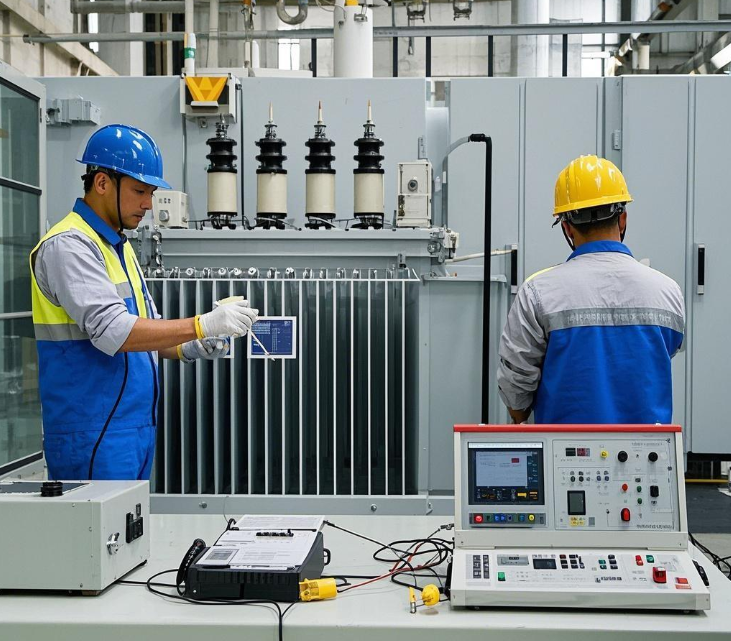
Transformer reliability starts with material selection and production control.
Important transformer materials include:
A controlled manufacturing process includes:
For EPC projects, these records support customer approval and final project documentation.
The transformer core directly affects:
Manufacturing control includes:
The winding process influences electrical performance and mechanical strength.
Important manufacturing controls include:
A properly manufactured winding system helps the transformer withstand electrical and mechanical stress during operation.
For oil immersed transformers, moisture control is critical.
Before oil filling, transformers require proper drying procedures to improve insulation performance.
Vacuum oil filling helps reduce air and moisture inside the insulation system and supports long-term operation reliability.
Factory Acceptance Testing (FAT) is one of the most important checkpoints before transformer delivery.
For EPC projects, FAT allows customers, engineering consultants, and third-party inspectors to verify equipment performance before shipment.
Typical transformer tests include:
Testing is performed according to applicable standards, including IEC 60076 requirements.
A complete FAT package normally includes:
Before shipment, transformers undergo factory inspection and testing.
The FAT process allows customers to confirm:
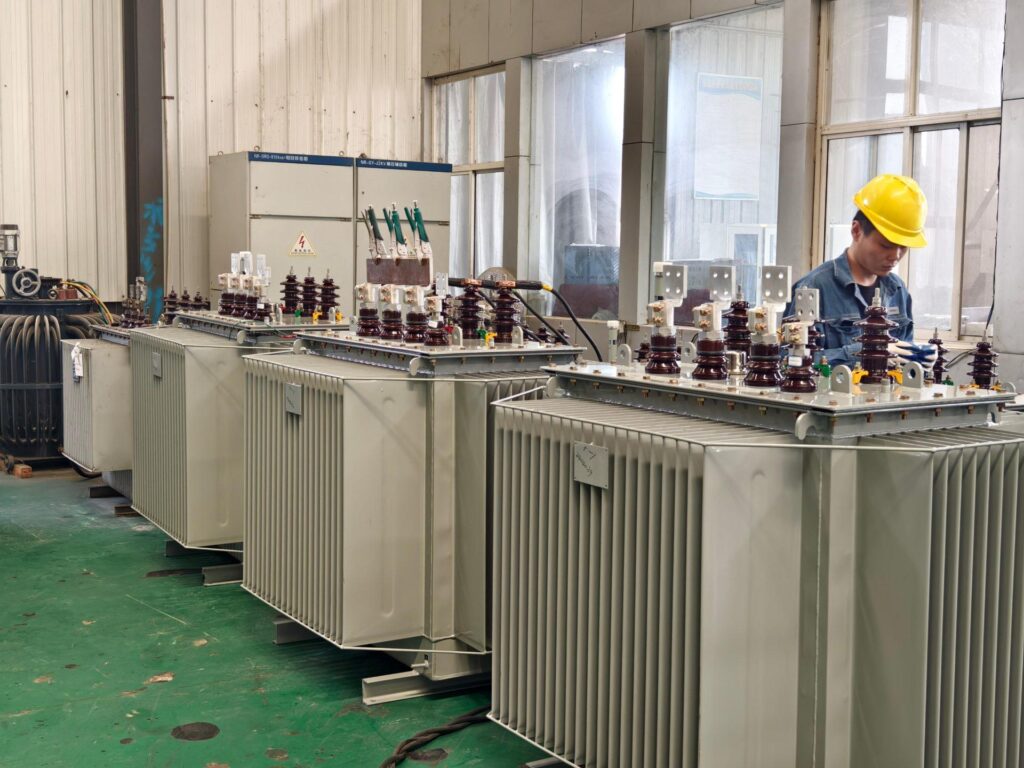
Transformer delivery requires coordination between manufacturing, testing, packaging, and transportation.
For international EPC projects, suppliers need experience with:
Proper preparation reduces risks during long-distance delivery.
Zisheng Electric supports customers with:
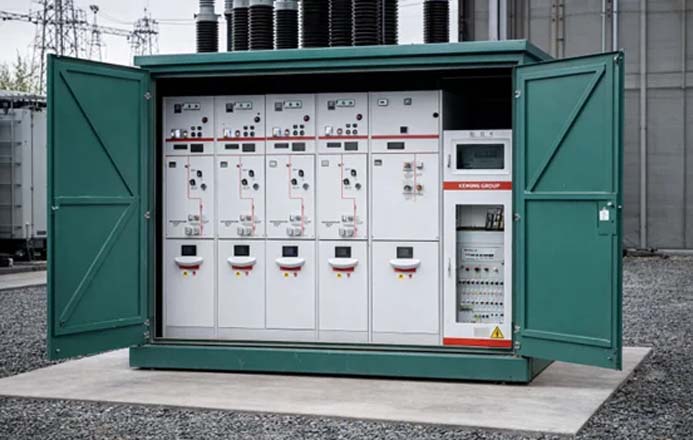
Different EPC projects require different transformer solutions.
Applications:
Typical requirements:
Applications:
Typical requirements:
Applications:
Typical requirements:
For EPC projects, documentation is part of equipment delivery.
A transformer manufacturer should provide:
Complete documentation helps EPC contractors complete:
Zisheng Electric provides transformer solutions for overseas EPC projects.
Main products include:
Learn more:
The company supports EPC customers through:
The Zisheng Electric engineering team focuses on transformer design, manufacturing, testing, and overseas project support.
The team provides technical assistance for:
With practical experience in power distribution and substation transformer projects, the engineering team supports EPC contractors, utilities, and industrial customers worldwide.

EPC contractors normally provide:
Yes.
Customization may include:
Yes.
Customers, engineering consultants, or third-party inspectors can participate in FAT according to project requirements.
Typical documents include:
Factory evaluation usually focuses on:
Choosing a transformer manufacturer for an EPC project requires more than comparing equipment prices.
Engineering capability, manufacturing control, FAT testing, documentation support, and export experience all influence project success.
A qualified transformer supplier helps EPC contractors reduce technical risks, maintain project schedules, and deliver reliable power systems.
Zisheng Electric provides customized transformer solutions for global EPC projects, supporting customers from technical review to final delivery.
Why Tropical-Ready Design Determines Project Reliability A transformer failure in a Vietnamese coastal industrial park or a Thai solar farm is never just a component issue. Production halts. Revenue slides. The unplanned maintenance costs no proje...
View details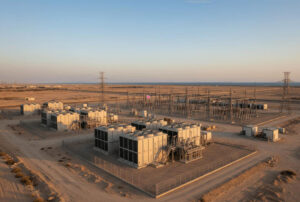
Power infrastructure across Saudi Arabia, the UAE, Qatar, and Oman operates under conditions that would quickly derate or destroy standard electrical equipment. In these environments, transformer failure is rarely a manufacturing defect—it is almo...
View details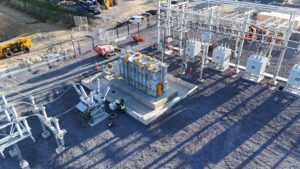
A stable electricity supply is essential for infrastructure development, industrial production, and commercial operations. As a core component of power distribution systems, transformers directly influence power reliability, energy efficiency, and...
View details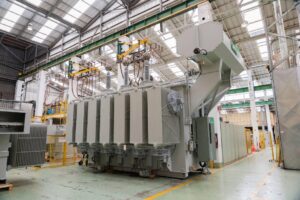
Factory-Direct Transformer Supply for Global EPC Projects For an EPC contractor, choosing a transformer supplier is rarely just about line items on a datasheet. The manufacturer standing behind the equipment has a direct bearing on how smoothly de...
View details