 zishengelectric



news
News Center
Providing high-quality power to the world
Search productSearch post
news
Providing high-quality power to the world
At Zisheng Electric, an EPC transformer installation quality dossier gives the project team a traceable record of how the transformer was assembled, connected and prepared for commissioning. It links field workmanship to approved drawings, manufacturer instructions and the final as-built package.
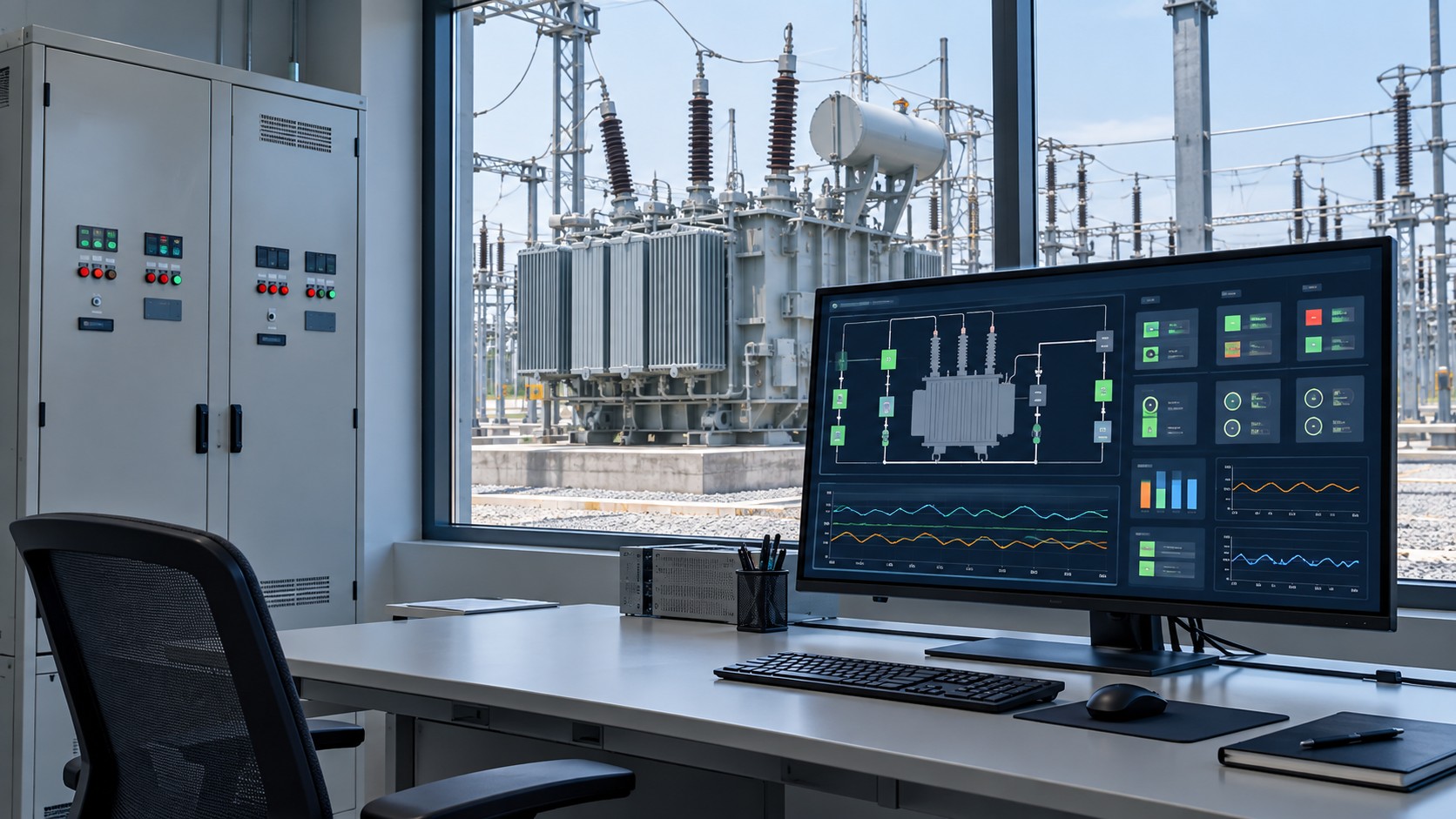
Installation quality is often judged visually, but many defects are hidden in torque, earthing, cable termination, gasket compression and accessory settings. A controlled dossier lets the EPC contractor and owner verify these details before they become energization delays.
A transformer can arrive without transport damage and still require corrective work. Incorrect radiator-valve position, an unbonded cabinet, a loose cable lug or a missing tap-changer setting can affect reliability and safety. The dossier records the inspection, the measured result, the drawing reference and the person responsible for acceptance.
| Dossier section | Evidence to collect | Decision supported |
|---|---|---|
| Mechanical assembly | Foundation, alignment, torque and accessory records | Is the unit physically complete? |
| Electrical connection | Cable, bushing, neutral and earthing checks | Are current paths and bonds correct? |
| Oil and sealing | Leak inspection, gasket and oil records | Is the insulation system protected? |
| Control interfaces | Terminal, relay and SCADA point checks | Can the unit be operated and monitored? |
| As-built handover | Marked drawings, photos and punch closure | Can the owner maintain the installed asset? |
Use the latest general arrangement, foundation drawing, cable schedule, earthing layout, bushing connection drawing, marshalling-box schematic, tap-changer manual and installation method statement. Record revision numbers on the inspection form. If the site team is working from a superseded drawing, stop the affected activity and raise a controlled query.
Verify rail or skid dimensions, anchor locations, level, grout condition, drainage, oil containment and clearances. Confirm that the transformer orientation matches the cable trench and the approved maintenance access. Photograph reference points before the unit is covered by barriers or adjacent equipment.
Torque records should identify the connection, fastener size, specified range, calibrated tool and actual reading. Critical joints include bushing terminals, neutral connections, radiator flanges, tank bonds, cable lugs, marshalling-box terminals and the main earth connection. Paint marks alone do not prove torque.
Earthing checks should cover tank, cover, radiator, marshalling cabinet, cable box, neutral equipment and the station grid. Verify continuity across flexible connections and painted interfaces. Record test method, instrument number and measured resistance or continuity result according to the project requirement.
Inspect flange faces, gasket type, bolt sequence, conservator connections, breather, oil-level indicator and pressure-relief device. Confirm that temporary transport blanks and braces have been removed. Oil records should show the product, batch or sample identity, filtration or filling activity, test result and approval status.
Do not close a leak punch only because the outside surface is dry at one moment. Check the joint after the agreed observation period and after the transformer reaches the relevant operating condition. Record the corrective action and repeat inspection where required.
Check terminal numbers, ferrules, wire segregation, spare cores, shield termination, heater supply, lighting, door bonds and gland sealing. Compare the as-built cabinet with the approved schematic. Protection CT secondary circuits require special care: verify shorting links, test blocks, polarity markings and continuity before connecting to the relay.
| Field check | Typical risk | Closure record |
|---|---|---|
| Earth bond continuity | Paint or flexible joint interrupts the bond | Continuity result and location photo |
| Terminal identification | Field wire differs from schematic | Marked drawing and point-to-point sheet |
| Gland sealing | Dust or moisture enters the cabinet | Gland inspection and photo |
| CT secondary link | Open secondary during testing | Link position and protection sign-off |
| Tap-changer setting | Mechanical and electrical position disagree | Position record and functional test |
Every deviation should have an owner, due date and evidence requirement. Critical items affecting safety, insulation, protection or oil containment should block commissioning. The final dossier should include updated drawings, torque sheets, test certificates, photographs, calibration records, material approvals, NCR dispositions and the closed punch list.
Photographs are most useful when they show location, equipment identity and the completed detail. Store them against the relevant checklist line rather than in an unlabelled folder. For multi-unit projects, keep serial-number traceability from receiving inspection through final handover.
Zisheng Electric supports transformer configuration, field installation review, technical documentation, commissioning coordination and as-built handover for EPC projects. Send us your drawings, datasheets, load list, technical specification, single-line diagram, grid parameters and environmental conditions. Include the installation method statement, cable schedule, earthing drawing and owner dossier index where available. Our engineering team will identify missing evidence and respond to project inquiries within 24 hours.
Related references include our transformer lifting plan review, transformer datasheet approval guide, EPC project supply solution and 25,000kVA oil-immersed transformer.


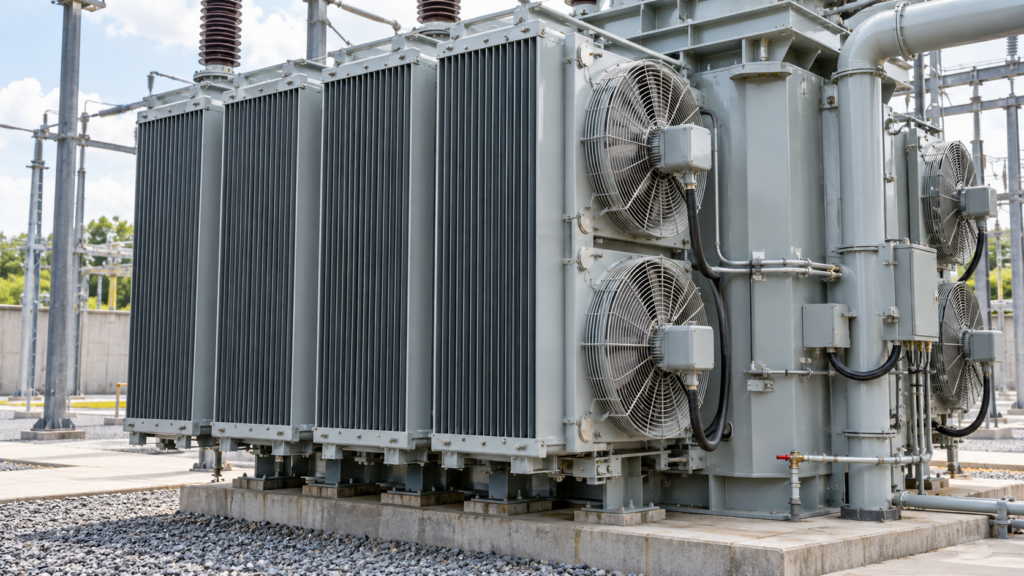

A practical EPC transformer site acceptance test checklist covering delivery inspection, assembly, oil work, electrical tests, protection proving, energization and handover.
View details
Build a substation cable drum schedule linking route take-off, approved cut lengths, drum allocation, stock balances and installation release for EPC projects.
View details
Review a substation cable pulling plan: verify tension, bend geometry, route readiness, temporary equipment and installation release evidence for EPC projects.
View details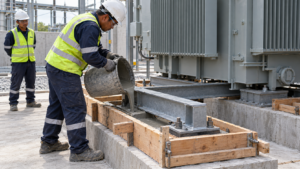
Learn how EPC teams verify transformer rail gauge, straightness, elevation, stops and route interfaces before heavy equipment placement—using project tolerances, survey records and release criteria tied to approved drawings.
View details