 zishengelectric





news
News Center
Providing high-quality power to the world
Search productSearch post
news
Providing high-quality power to the world
The transformer arrives, the crane is booked, and the construction team wants the delivery note signed. That is exactly when an EPC receiving process needs a clear boundary. Taking custody of equipment is not the same as confirming that it is fit for installation or energization. For a Zisheng Electric project enquiry, transformer transport damage inspection should be discussed alongside the shipping arrangement, not added after a vehicle reaches the gate.
A useful receiving record connects four things: the unit that left the factory, the equipment actually delivered, any evidence of abnormal transport or handling, and the person authorized to decide the next step. A clean-looking tank cannot establish internal condition. An impact alarm cannot, by itself, prove winding damage. Both statements matter when the project schedule is under pressure.
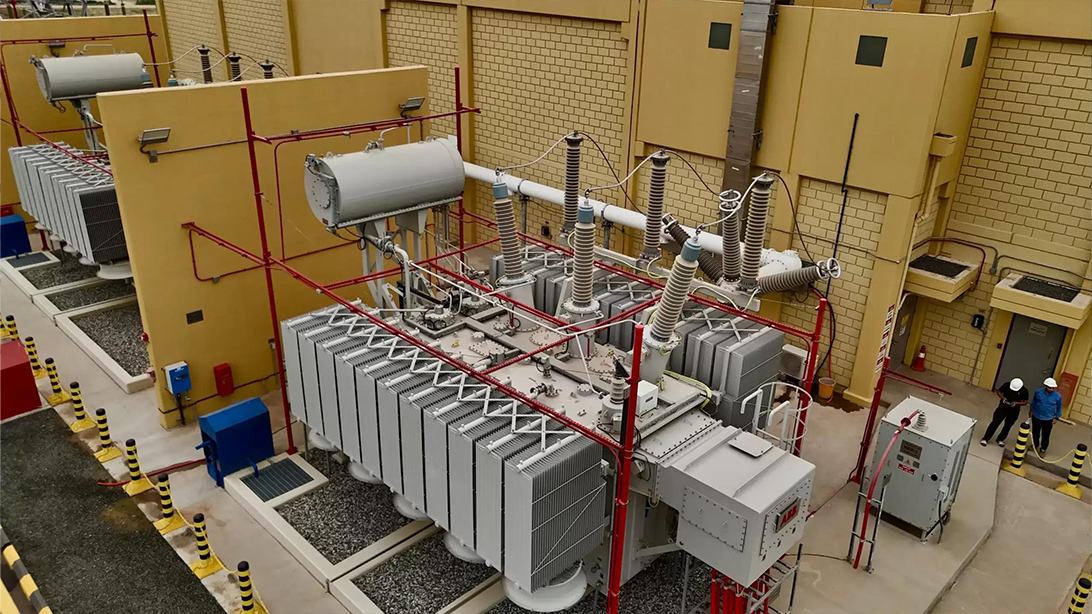
Organize the process as dispatch baseline → arrival evidence → controlled unloading → preservation → technical disposition → installation release. These are separate decisions. A storekeeper can confirm package quantities without being authorized to accept a damaged bushing. A logistics coordinator can arrange safe unloading without authorizing electrical testing. The commissioning engineer should not inherit an undocumented assumption that everything was accepted at the gate.
Agree the responsibility matrix before dispatch. Name the receiving inspector, lifting supervisor, manufacturer contact, EPC quality representative and owner or consultant reviewer where required. Set an escalation route that still works outside office hours. The lifting plan and site safety rules remain controlling documents; this article is a procurement and quality guide, not a rigging or live-electrical-work procedure.
Link the receiving hold point to the project’s transformer inspection and test plan. That document should say what evidence permits release and who can sign it. Do not convert a delivery signature into an automatic commissioning approval.
Request a shipment-specific pack: serial numbers, approved general arrangement, shipping mass and dimensions, package list, dispatch photographs, preservation instructions, accessory list and applicable factory test records. The shipping configuration is important. A unit with detached radiators, separately packed bushings or transport covers will not look like the final assembly drawing.
For a high-voltage power transformer, separate the main tank identification from the identities of shipping assemblies. Record which crates belong to which transformer. Similar-looking accessories are not automatically interchangeable, and a count of ten crates is not evidence that the correct ten crates arrived.
At Zisheng Electric, the engineering question at this interface is practical: what must the site compare with the dispatch condition before the shipment is released? The answer needs photographs and document revisions, not only a statement that the equipment passed factory tests. Factory acceptance establishes a baseline; it does not describe events that occurred on the road.
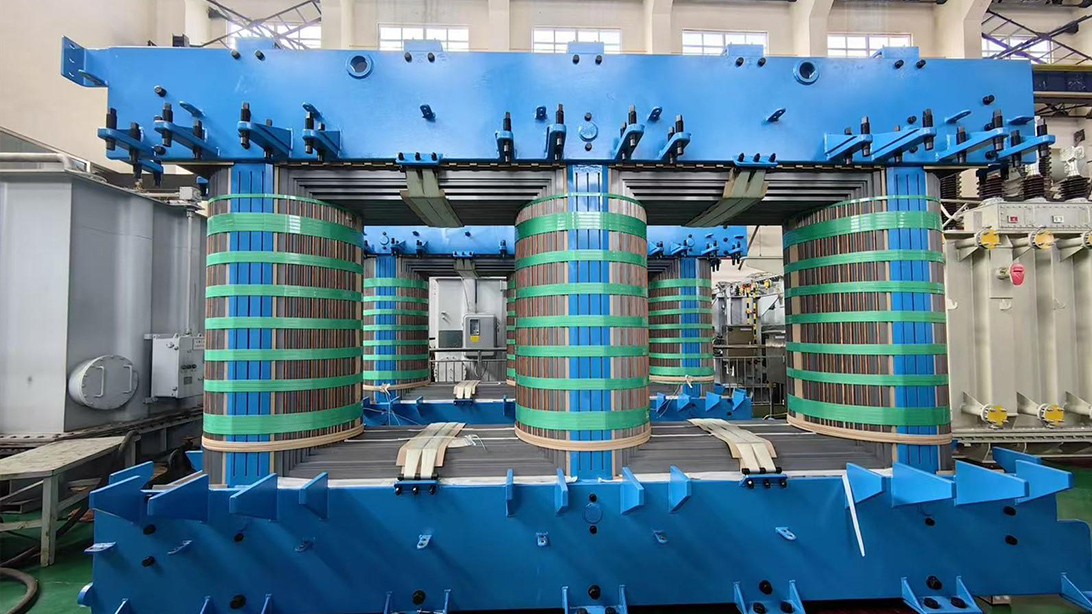
Photograph accessible sides, identification plates, restraints, protective covers and packaging before unloading or removing anything, provided this can be done safely. Include overview photographs and close-ups with location references. Record date, time, vehicle or container identification, package numbers and the names of the receiving parties. Keep original image files rather than relying only on compressed messages.
Look for a coherent pattern. A displaced restraint beside a dented panel needs a different review from an isolated surface scratch. Wet packaging near a broken cover raises a preservation question even when no winding is visible. Missing accessory crates can delay assembly without damaging the main tank; record that as a separate discrepancy instead of calling the complete shipment satisfactory.
Maddox’s manufacturer manual includes checks of shipment identity, external condition, leakage, bushings and an impact recorder where fitted. These are useful receiving categories, but its model-specific limits and handling instructions are not specifications for a Zisheng Electric unit. Use the supplied equipment manual for the actual acceptance criteria. Manufacturer reference: Maddox Substation Manual, Receiving section.
| Arrival finding | Main risk | Engineering check and immediate disposition |
|---|---|---|
| Damaged bushing, displaced fitting or distorted tank feature | Mechanical or insulation damage may extend beyond the visible defect | Photograph and identify the affected component; hold installation release pending manufacturer review. |
| Fluid staining, wet flange or abnormal gauge indication | Loss of sealing or preservation cannot be ruled out | Record location, readings and ambient conditions; request equipment-specific assessment rather than adjusting valves. |
| Impact indication or missing recorder data | A transport event or an evidence gap needs interpretation | Preserve the device and original records; compare configuration and event timing with the transport log. |
| Wet crate, damaged cover or open connection | Moisture and contamination may have reached protected parts | Segregate the item, document exposure and obtain a preservation instruction. |
| Missing or mismatched accessory package | Assembly, compatibility or commissioning may be blocked | Reconcile serial numbers and package contents; log shortages separately from physical damage. |
Where impact monitoring is specified, the purchase order should define the recorder arrangement and the manufacturer-approved assessment process. Ask for device identity, mounting location and orientation, recording period, trigger settings, units and the method for retrieving the original file. Without that information, a screenshot of a peak acceleration is incomplete evidence.
Acceleration is commonly reported in g, relative to gravitational acceleration. Interpretation also depends on direction, event duration, sensor mounting and the recording settings. A handling event measured on one part of a transport system is not automatically the acceleration experienced by the active assembly. Do not copy a universal pass/fail value from another transformer or internet example.
Match event timestamps to transfers, loading operations and arrival. Confirm the clock basis and any known gap in recording. A device showing no recorded event may have operated correctly, but it may also have been inactive or configured differently from the agreed plan. The receiving report should distinguish “no recorded exceedance” from “transport condition conclusively verified.”
Keep the recorder, seals and raw files available until the responsible engineer completes the review. Do not reset the device to obtain a clean display. An event requiring investigation does not justify an immediate declaration of failure either. The manufacturer may request additional evidence or a targeted diagnostic plan before deciding whether the unit can proceed.
The preservation system depends on construction and shipment configuration. Record the condition against the supplied instructions: liquid level where an applicable indicator is fitted, gas-space monitoring where specified, sealed openings, detached cooling equipment and separately packed accessories. Do not assume every liquid-filled transformer should arrive with the same pressure reading or at the same liquid level.
A gauge reading without ambient temperature, instrument range and shipping instructions is easy to misinterpret. Record it; do not adjust it to a remembered value. Suspected loss of sealing or moisture ingress requires technical review. Opening a tank, replenishing gas or oil, or conducting internal inspection is not an ordinary receiving task. Such work needs an approved procedure and qualified personnel.
For a dry-type transformer, check the enclosure and packaging for water ingress, condensation exposure and contamination. “No oil leak” is irrelevant to this assessment. Schneider Electric’s LV dry-type instructions call for receiving inspection, identification checks and protective repackaging when installation is deferred; their product-specific requirements should not be substituted for the supplied unit manual. Manufacturer reference: Schneider Electric, Receiving, Handling and Storing.
A damaged shipment may still need to be moved to a safe holding location. That decision belongs to the lifting and site safety team, with manufacturer input where the equipment condition affects handling. Check the approved shipping mass, designated handling points, access route and support arrangement. Never improvise a lifting method because a booked crane is waiting.
Once unloaded, identify the holding location and control access. Mark the equipment’s inspection status clearly in the project records. Preserve it according to the unit-specific instructions while the investigation is open. A hold does not mean neglect: weather exposure, standing water or uncontrolled unpacking can introduce a second problem that obscures the original one.
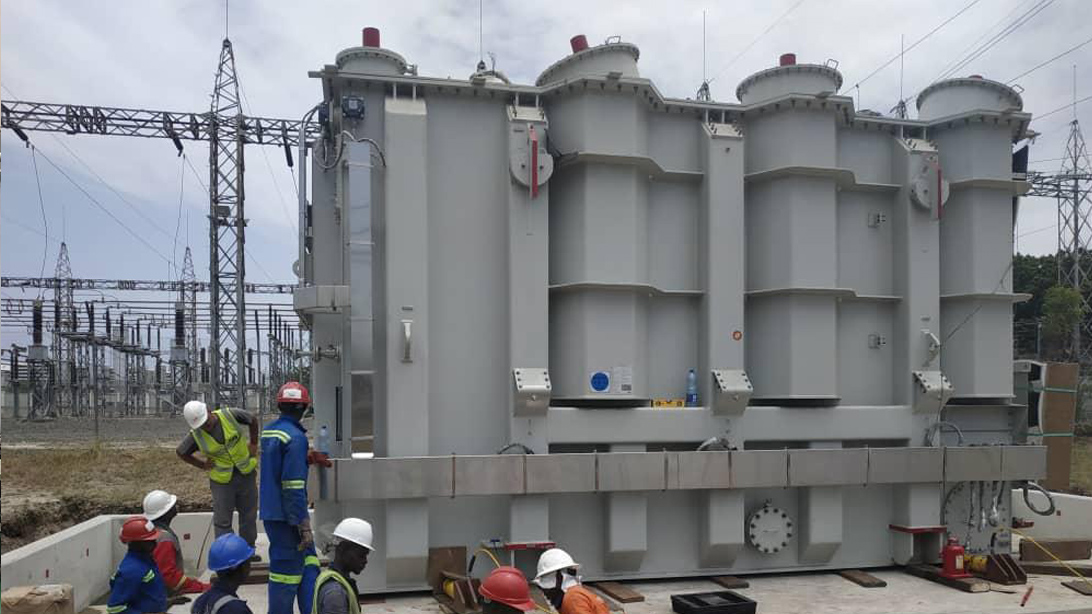
A message saying “transformer damaged, please advise urgently” is unlikely to produce a useful disposition. Send an indexed package with serial number, dispatch reference, exact observations, photographs, recorder files where fitted, transport chronology and any action already taken. State what has not been done: no tank opening, no field repair, no energization, or other relevant restrictions.
Classify observations without overstating the diagnosis. “Oil visible at the lower radiator connection” is an observation. “Transport caused internal winding failure” is a conclusion that the available evidence may not support. Use a nonconformance or discrepancy record with an owner, required response and release authority. Commercial notification obligations should be handled by the project’s logistics and contract teams under the applicable agreement.
| Decision gate | Evidence required | Responsible confirmation |
|---|---|---|
| Receipt record complete | Identity, quantities, arrival photographs and discrepancies | Receiving inspector and logistics representative |
| Technical disposition agreed | Manufacturer assessment, additional checks if required and repair or acceptance instruction | Manufacturer technical contact and EPC quality lead |
| Preservation maintained | Storage location, inspection log and unit-specific preservation measures | Site storage custodian |
| Installation release | Closed discrepancies or documented conditional release with restrictions | Designated EPC or owner authority |
| Energization release | Approved commissioning records and unresolved-item review | Authorized commissioning and operating personnel |
The appropriate follow-up depends on the finding. A damaged external accessory, uncertain insulation dryness and a significant transport event are different cases. Let the manufacturer and project engineer define the diagnostic scope, reference conditions and acceptance basis. No single field measurement should be presented as proof that every possible transport defect has been excluded.
If additional testing is required, compare results with the correct factory baseline and document the test configuration. Record instrument identity, environmental conditions and relevant connection or tap arrangements. Avoid repeating intrusive work merely because a generic checklist contains it. Electrical tests and any internal work must be planned and performed by qualified personnel under the approved safety procedures.
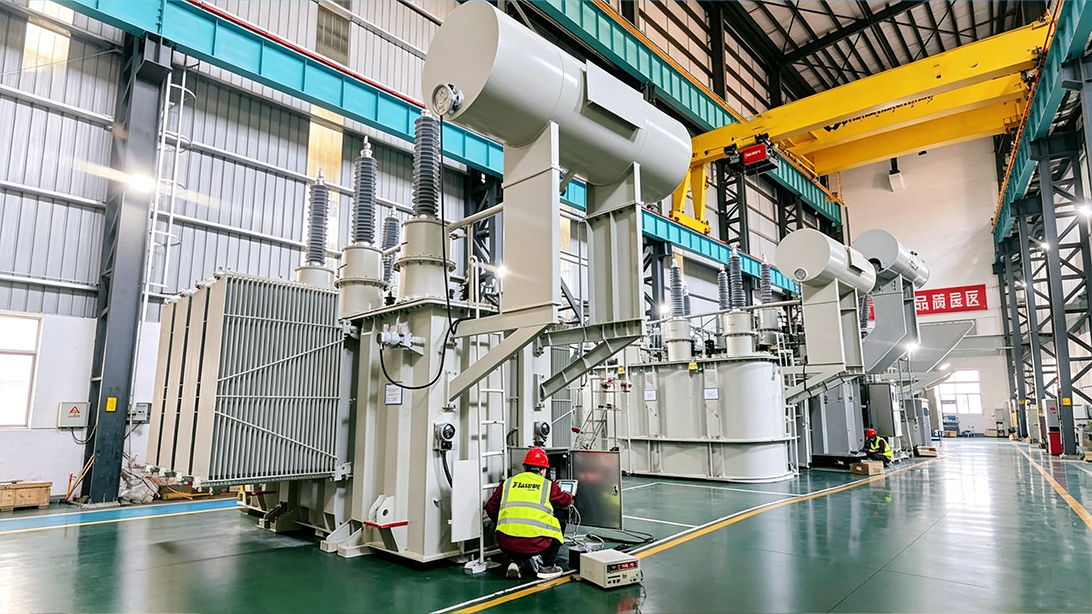
Use the transformer spare parts and handover checklist to reconcile replacement or separately shipped items. Keep the receipt investigation distinct from the later installation and commissioning records, but cross-reference them so an unresolved issue cannot disappear between teams.
Before ordering, ask who will review receipt evidence, how suspected damage will be escalated and what preservation support is available during a delay. These details are especially valuable for EPC projects where the manufacturer, freight contractor, site team and owner work in different locations. A clear interface is more useful than a broad promise of worldwide support.
For a transformer transport damage inspection enquiry, send the transformer datasheet, shipping configuration, packing list, site receiving plan and any relevant photographs or transport records. Zisheng Electric can match oil-immersed power transformers, dry-type transformers and associated distribution equipment to the project scope and technical requirements. Our engineering team will review the requirements and respond to project inquiries within 24 hours.

Plan transformer transport shock monitoring for EPC deliveries: recorder setup, data continuity, receiving inspection and documented release decisions.
View details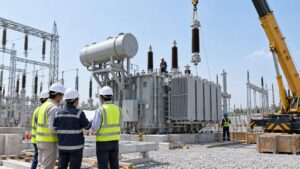
Build a transformer site assembly supervision plan covering site release, bushings, radiators, oil filling, hold points and EPC handover records.
View details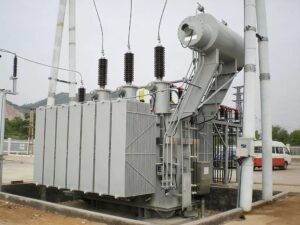
Close transformer datasheet, GA drawing, protection, equipment configuration, FAT, and MDR interfaces in EPC power projects with a controlled workflow.
View details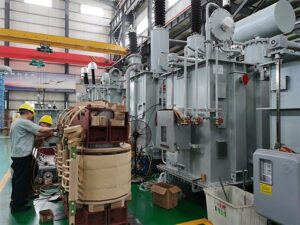
Distribution transformer selection based on real project data: altitude derating tables, impedance calculations, loss comparisons, FAT checklists, and field failure analysis.
View details