 zishengelectric





news
News Center
Providing high-quality power to the world
Search productSearch post
news
Providing high-quality power to the world
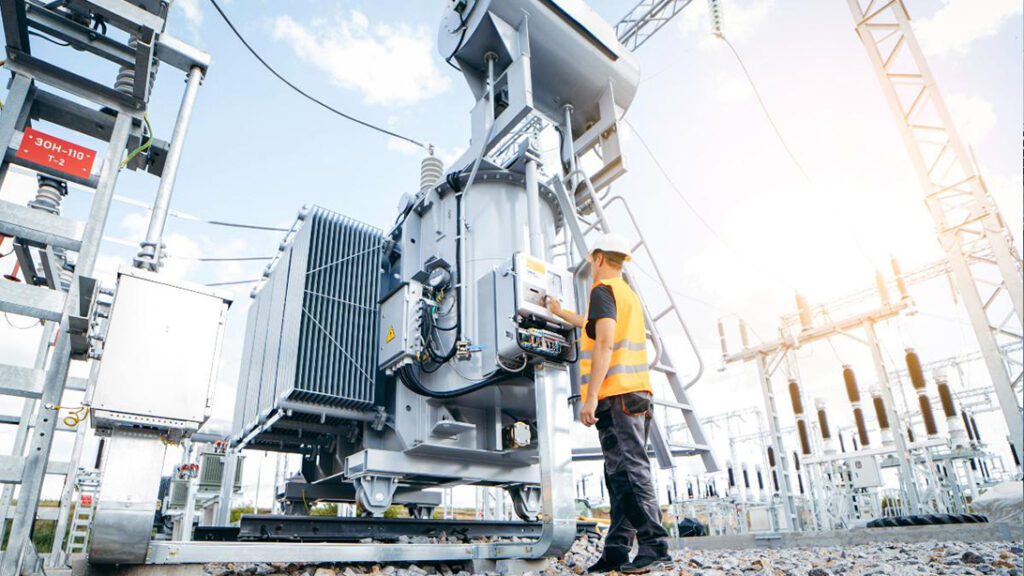
Last year at an industrial park in Indonesia, after our transformers arrived on site, we discovered a critical mismatch: the local grid operates at 50 Hz, yet the project had been designed around 60 Hz for more than half a year.
That incident took us 45 days just to rewind the windings. Sea freight, customs clearance and on-site installation all had to be restarted from scratch. EPC projects are never as simple as “buy a transformer and install it”.
As a technical engineer at Zisheng Electric who has supported more than 20 overseas EPC projects, I will break down the core capabilities a qualified transformer supplier should have, from the perspective of asset owners and general contractors. This is not a sales pitch. Having learned hard lessons on-site, we sincerely hope you can avoid the same pitfalls.
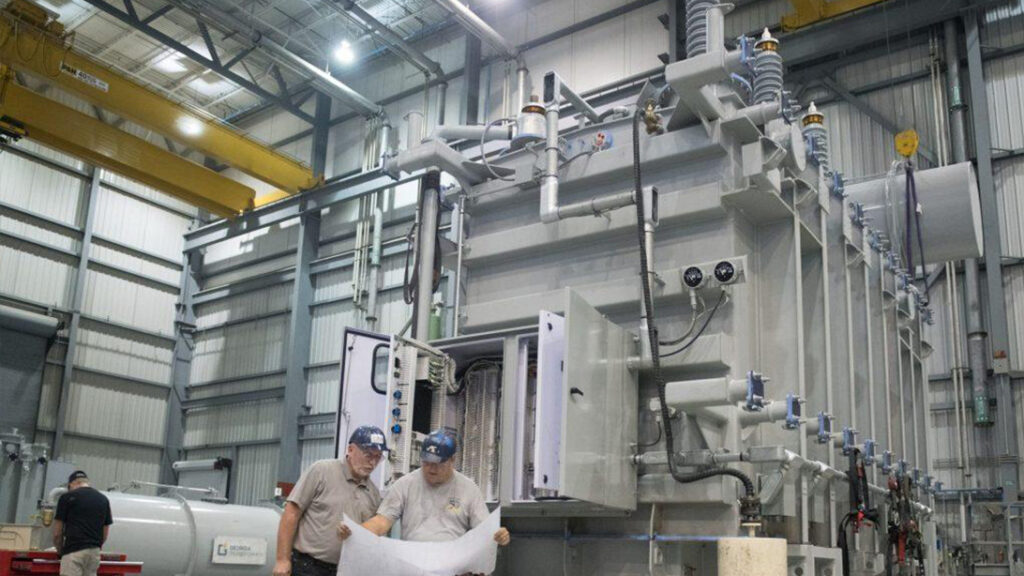
EPC projects are distinctive in that no two projects are identical. Grid conventions, environmental regulations, transportation constraints, and even operating habits of on-site workers all vary from case to case. Below are three critical questions that I recommend you raise during supplier evaluation.
It is not the same as merely “exporting products”, but supporting general contractors to execute full-cycle overseas EPC works. The two differ vastly. Export only covers goods delivery, while EPC requires end-to-end support including design coordination, packaging & ocean freight, on-site installation and energization commissioning. Suppliers without experience in the full overseas workflow may trigger severe schedule delays in customs documents, third-party testing and on-site defect rectification.
Design changes are commonplace in EPC projects — the client may modify outlet arrangements, upstream equipment models get replaced, or foundation dimensions on site deviate from drawings. In one extreme case we encountered, the client requested a switch from oil-immersed to dry-type transformers just one week before shipment. Suppliers relying on a model where sales relay messages and the factory follows fixed schedules are generally incapable of handling such projects.
The contract should clearly define any required performance security, warranty coverage, exclusions, response times and responsibilities. Evaluate the supplier’s proposed terms alongside its delivery record and service capability.
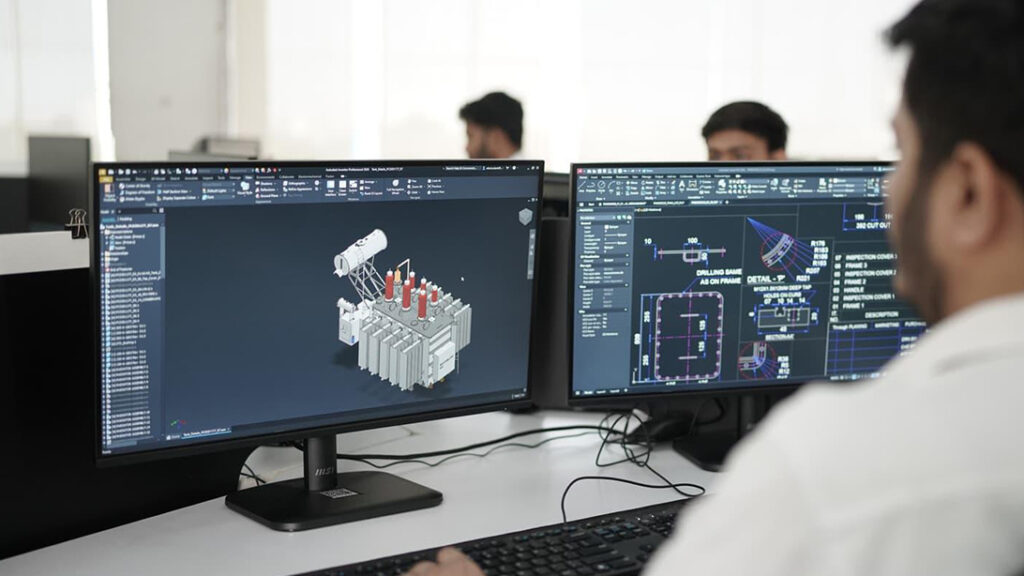
The table below presents a transformer supplier competency evaluation framework developed from real project experience. It covers key capabilities across commercial, technical and delivery service dimensions. You may use it for supplier shortlisting or as a reference for tender scoring criteria.
| Competency Dimension | Key Requirements | Verification Method | Zisheng Electric Actual Capability |
|---|---|---|---|
| Overseas Project Track Record | Minimum 5 overseas EPC transformer supply projects within 3 years, including at least 2 projects of the same voltage class | Copies of contracts and owner acceptance certificates | 23 overseas EPC projects in total, covering Southeast Asia, the Middle East, Africa and South America |
| Certifications & Local Approval | Possess international certifications such as CB, IEC and IEEE, and obtain local grid access qualifications for destination countries (e.g. PLN, SEC) | Check original certificates and validity period | Full-range IEC 60076 certifications, grid approvals for 12 countries including Indonesia PLN and Saudi SEC |
| Technical Response Capability | Technical team capable of full-English drawing review, non-standard solution revision completed within 72 hours | On-site technical discussion and simulated change response | 8-member overseas technical support team with average 12 years of experience, dedicated on-site design coordinators available |
| Factory Test Capacity | Full-scope factory acceptance tests available, including special tests such as sudden short-circuit, temperature rise and partial discharge | On-site inspection of test laboratory and historical test reports | Self-built CNAS accredited test station, capable of 26 full type tests |
| Packaging & Logistics | Marine packaging solutions with moisture, shock and tilt protection; full cargo insurance and shipment condition tracking available | Review packaging specifications and past shipment records | 3 types of marine packaging (tropical / high salt spray / high altitude), in-house loading supervision team |
| On-site Service | On-site arrival within 48 hours for installation guidance and defect rectification, multilingual engineers available | Verify service team roster and past service records | 6 permanent overseas service hubs, 24–48 hour response subject to flight schedules |
| Performance Guarantee | Accept performance bond ≥10%, warranty period no less than 24 months covering main materials and accessories | Contract clause negotiation | Standard 15% performance bond, warranty extendable to 36 months based on project terms |
| Supply Chain Resilience | Safety stock of core raw materials (silicon steel, copper, insulating oil); alternative supply plans for key components | Check inventory records and sub-supplier list | Over 500 tons of silicon steel in regular stock, 100% dual-sourcing coverage for key components |
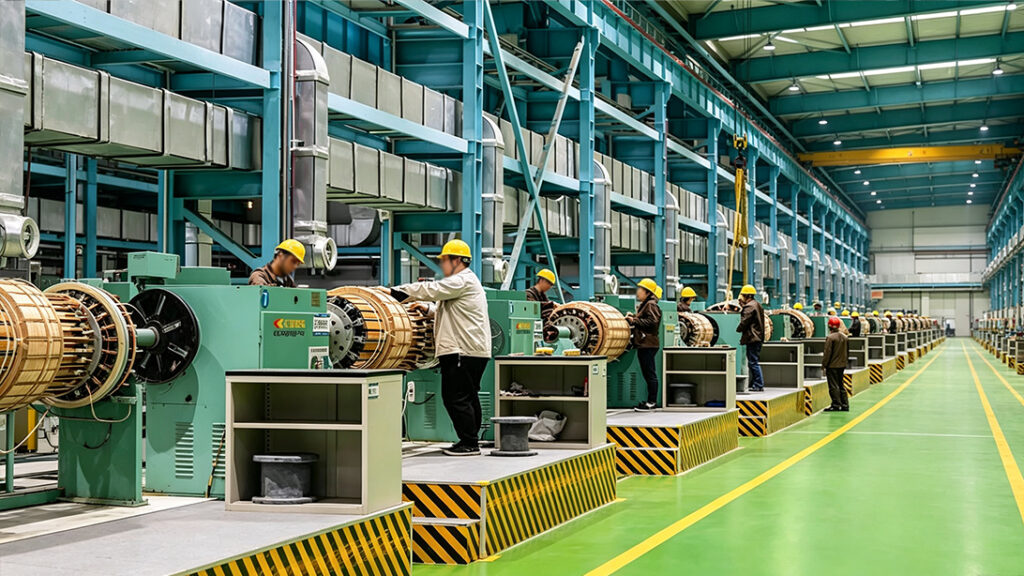
Every item in the above table can be scored. Nevertheless, there are three capabilities that cannot be quantified in the table yet play a decisive role in every project.
The first is the ability to be receptive to practical advice. On-site for overseas EPC projects, representatives of the general contractor usually know the local conditions best. If a supplier rigidly insists on “following the contract only” and refuses to adjust design details according to actual site conditions, project execution will become extremely difficult. A reliable supplier will listen to your suggestions and also use professional experience to clarify what adjustments are feasible and what cannot be modified.
The second is the ability to take accountability. Issues such as moisture damage during ocean transit, dents from on-site hoisting, or excessive harmonics in the local power grid are almost inevitable during EPC implementation. The key difference lies in the supplier’s initial reaction: some will immediately claim “this is not our responsibility”, while others prioritize “let’s resolve the issue first before clarifying liabilities”. The latter type is the true partner general contractors need.
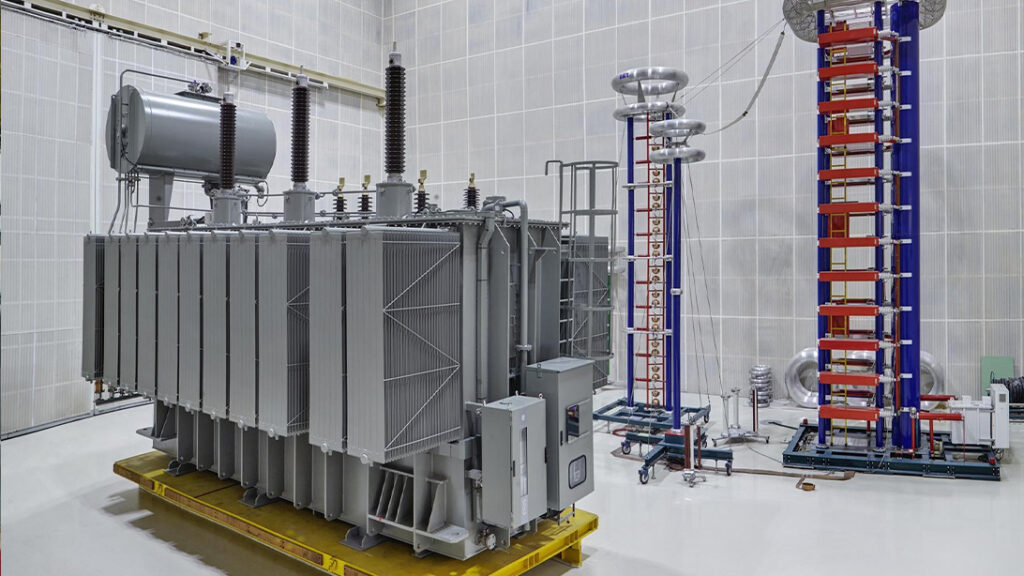
Commissioning support on the day the equipment is energized, documentation collation during the handover phase, and remote diagnostics in the early operation and maintenance period — these “last-mile” on-site services are often not itemized in the contract. Nevertheless, the owner’s evaluation of the general contractor hinges precisely on this stage. Suppliers willing to go the extra mile can greatly smooth out your project closeout.
When an EPC selects a transformer supplier, it is essentially choosing a teammate who can stand firm through tough challenges. Technical specifications serve as the threshold, while service attitude makes the decisive difference.
Zisheng Electric has long been engaged in projects across the Middle East, Africa and South America, providing transformer selection, technical documentation support and manufacturing coordination services for EPC contractors, project owners and design institutes. Our product portfolio includes Our product range includes Oil-immersed transformers、Substation transformers、Packaged transformers、Pole-mounted transformers、Dry-type transformers、Other power distribution equipment We support IEC-compliant design, Factory Acceptance Testing (FAT), and third-party inspection and supervision.
Our product range includes oil-immersed transformers, substation transformers, pad-mounted transformers and dry-type transformers, alongside other power distribution equipment.
Factory-Direct Transformer Supply for Global EPC Projects For an EPC contractor, choosing a transformer supplier is rarely just about line items on a datasheet. The manufacturer standing behind the equipment has a direct bearing on how smoothly de...
View details
Coordinate a substation auxiliary power system for EPC projects: AC/DC loads, backup supply, charger duties, cable interfaces and acceptance records.
View details
Why Tropical-Ready Design Determines Project Reliability A transformer failure in a Vietnamese coastal industrial park or a Thai solar farm is never just a component issue. Production halts. Revenue slides. The unplanned maintenance costs no proje...
View details
Coordinate transformer earthing interfaces for EPC projects: tank bonds, neutral grounding, core links, cable screens, surge arresters, FAT and handover.
View details