 zishengelectric





news
News Center
Providing high-quality power to the world
Search productSearch post
news
Providing high-quality power to the world
Power infrastructure across Saudi Arabia, the UAE, Qatar, and Oman operates under conditions that would quickly derate or destroy standard electrical equipment. In these environments, transformer failure is rarely a manufacturing defect—it is almost always a design mismatch between the equipment and its operating reality.
Ambient temperatures exceeding 50°C, abrasive desert sand, relentless solar radiation, and coastal salt spray are not extreme events. They are daily operating parameters. When a transformer is not designed specifically for this combination of stressors, the consequences appear quickly: rising winding hot-spot temperatures, accelerated insulation aging, reduced overload margins, and cooling systems overwhelmed by heat and fouling.
Addressing this requires engineering decisions made at the design stage, not field modifications. As a transformer manufacturer China with documented project experience in the Middle East, we configure each unit thermally, mechanically, and environmentally for the site it will serve—whether that is an indoor factory substation, a coastal utility network, or a desert solar farm. Our full range of power transformer solutions covers applications from distribution voltage levels up to 220kV transmission systems.
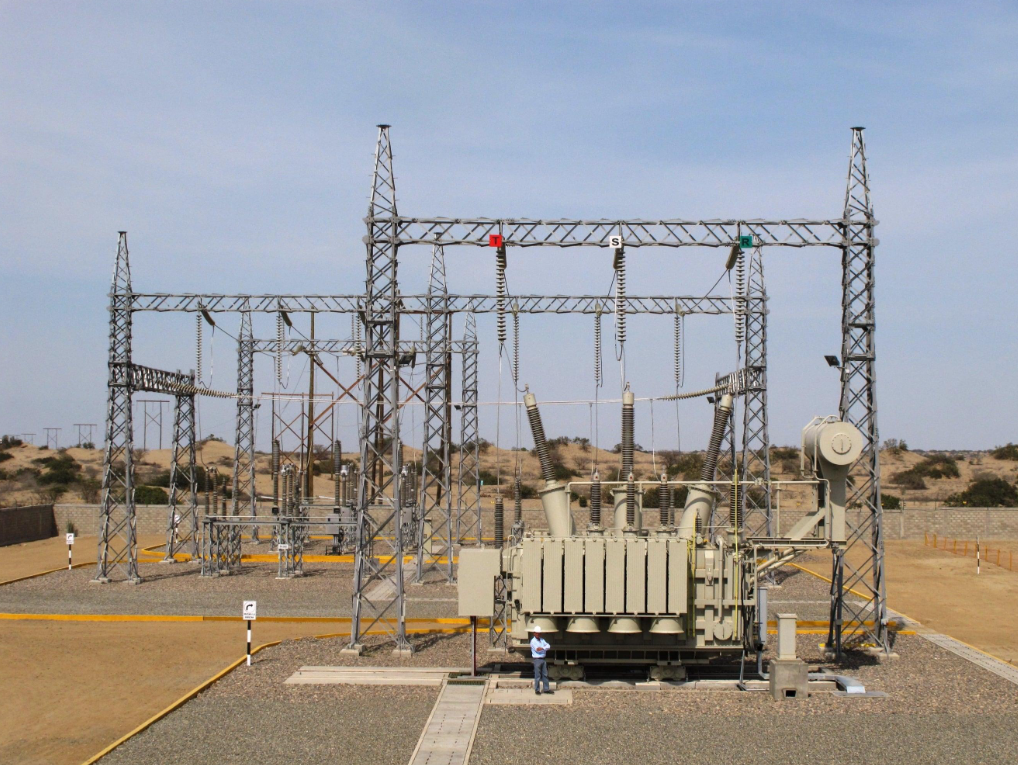
Insulation aging follows a well-established principle: every sustained 6–8K increase in winding temperature roughly halves the expected life of the insulation system. When the cooling medium itself is 50°C air—not the 20°C or 30°C assumed in temperate-climate designs—the starting point for every thermal calculation shifts upward.
In practice, a transformer installed in Riyadh, Dammam, or Jubail experiences:
Mitigation requires more than a larger cooling fan. It demands a thermal design that explicitly accounts for a 50°C ambient baseline: lower temperature rise values, higher insulation class materials, and cooling circuits sized for the peak diurnal temperature.
Fine desert particulate behaves differently than industrial dust. It is abrasive, can become conductive when humidity rises, and is small enough to bypass coarse filtration. Once inside a transformer enclosure, it coats winding surfaces and cooling ducts, reducing heat transfer coefficients. It accumulates on insulation, potentially forming tracking paths. It blocks ventilation screens, raising enclosure internal temperatures beyond the design assumption.
Effective countermeasures include gasketed enclosure seals, filtered forced-air intakes, IP-rated cable entry systems, and ventilation designs that minimize dead zones where dust can settle. For detailed specifications on enclosure protection, refer to our outdoor transformer solutions designed for exposed desert installations.
Industrial zones along the Arabian Gulf—Jubail, Yanbu, Ras Al Khair—layer marine salt aerosol on top of extreme heat. This combination produces one of the most aggressive corrosion environments classified under ISO 12944. Mild steel exposed without adequate protection will show visible rust within months.
Corrosion compromises tank and radiator wall thickness, flange seating surfaces, lifting lugs, earthing pads, and control cabinet hardware. The standard approach follows a defined coating workflow: abrasive blasting to SA 2.5 near-white metal, application of a high-solids epoxy zinc phosphate primer, and a UV-stable aliphatic polyurethane topcoat—applied, inspected, and documented by dry film thickness measurement.
For applications where fire safety, environmental protection, and minimal maintenance are decision drivers—oil and gas plants, process industry motor control centers, data halls, commercial high-rise buildings—epoxy resin encapsulated dry-type transformers offer a proven solution.
The vacuum-cast winding encapsulation seals the high-voltage and low-voltage coils against moisture ingress, dust accumulation, and chemical exposure in industrial atmospheres.
Our SCB series, built to IEC 60076-11, is adapted for the region with Class H (180°C) insulation systems providing an expanded thermal operating window, temperature rise limits adjusted for 50°C ambient, tuned ventilation duct geometry for hot air rejection in enclosed substations, and gasketed panel seals with filtered intakes. Learn more about our dry type transformer manufacturing capabilities and technical specifications.
Common capacities deployed in the region: 500 kVA · 1000 kVA · 2000 kVA · 2500 kVA, with custom designs available for larger ratings.
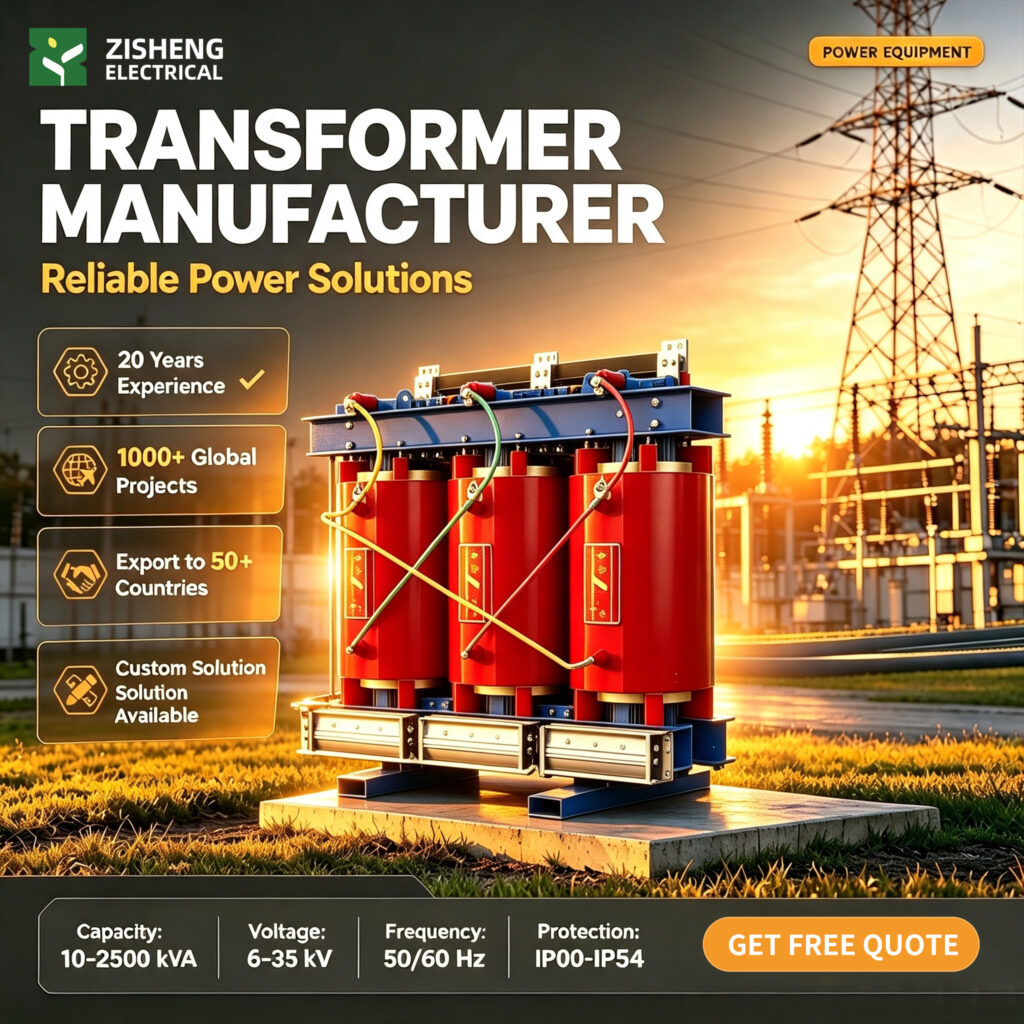
For utility distribution networks, independent power producer (IPP) substations, and heavy industrial feeders, oil immersed transformer designs remain the benchmark for efficiency, overload endurance, and service longevity. The insulating oil functions as both dielectric medium and thermal reservoir, providing inherent damping against short-term overload conditions.
For a Gulf-bound unit, the engineering scope includes a thermal design point with winding temperature rise limited to 55/60K over a 50°C ambient, cooling method selection (ONAN for distribution ratings, ONAF or OFAF for higher power ratings) with radiator surface area calculated for peak summer afternoons, and corrosion protection to ISO 12944 C4 for inland desert or C5-M for marine-industrial coastal sites.
Voltage range extends from MV distribution up to 220 kV power transformers.
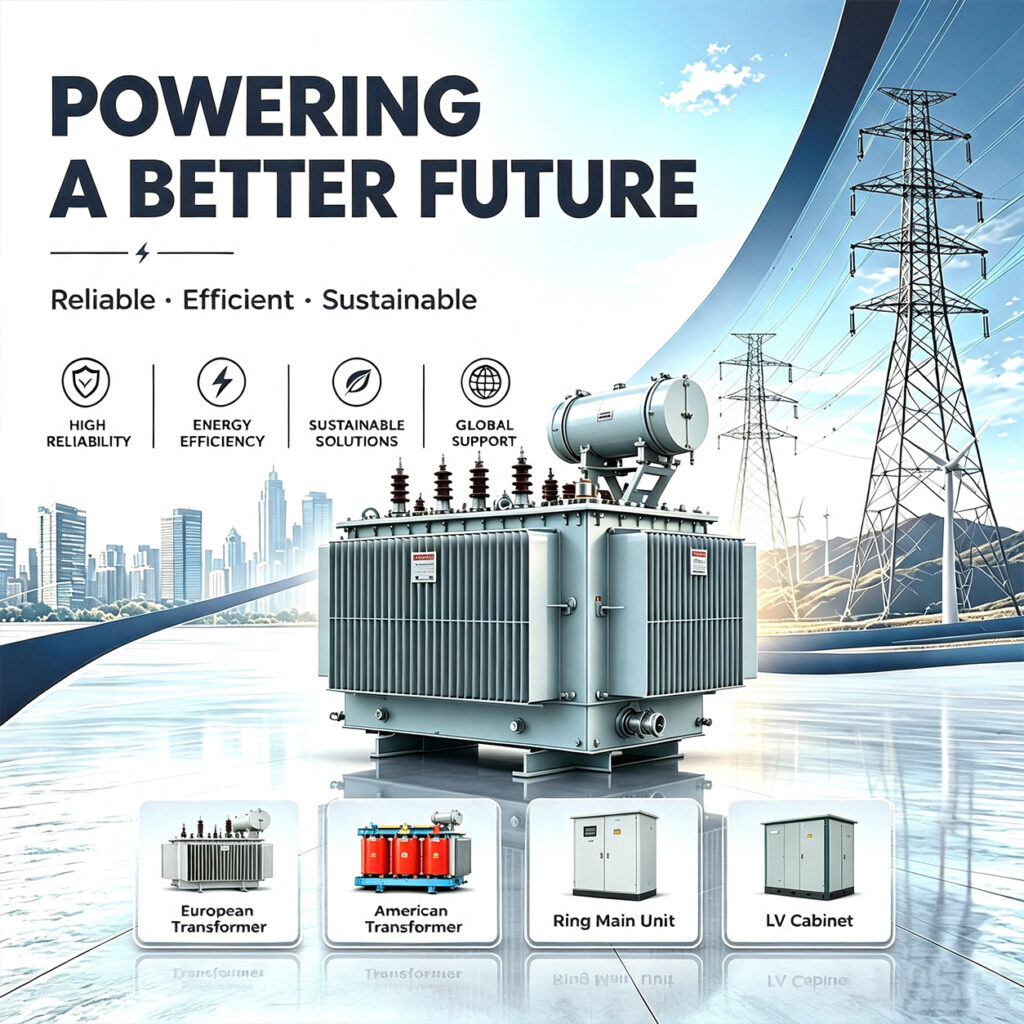
The Middle East’s growing solar energy sector presents a specific set of transformer requirements. Solar transformer applications—whether for photovoltaic (PV) farms or concentrated solar power (CSP) plants—combine high ambient temperatures with variable load profiles tied to solar irradiance. Transformers in these installations must handle frequent thermal cycling, harmonic content from inverter duty, and continuous outdoor exposure in remote desert locations.
Key design considerations for solar transformers include thermal design rated for 50°C ambient with full-load capability during peak generation hours, winding configurations optimized for inverter-side harmonics and DC offset, sealed enclosures with dust and sand protection for unmanned desert sites, and corrosion protection suitable for long-term outdoor exposure. Our substation transformer solutions include configurations specifically developed for renewable energy integration and utility-scale solar projects.
Both dry-type and oil-immersed solar transformer configurations are available, sized according to the inverter rating and plant layout.
A multi-unit transformer deployment for an industrial complex in Jubail Industrial City illustrates climate-specific engineering in practice.
Site conditions included:
Delivered configuration:
| Equipment Type | Rated Capacity |
|---|---|
| SCB Cast Resin Dry-Type Transformer | 2500 kVA |
| SCB Cast Resin Dry-Type Transformer | 2000 kVA |
| SCB Cast Resin Dry-Type Transformer | 1000 kVA |
Units were installed in indoor and compact substations feeding continuous production loads. Post-commissioning, steady-state winding temperatures remained within design limits through consecutive summer peak-load periods with no forced cooling interruptions or thermal alarm events. Internal inspection results showed clean winding surfaces despite outdoor dust conditions.
This outcome reflects a principle that guides all engineering work: transformer reliability in a harsh climate is determined by design margins established months before the first factory test.
For EPC teams and engineering consultants specifying transformers for Saudi Arabia or GCC projects, the following table summarizes key selection criteria by application type.
| Selection Criteria | Oil-Immersed Transformer | Cast Resin Dry-Type Transformer | Solar Transformer |
|---|---|---|---|
| Typical Ambient | 50°C outdoor | 50°C indoor/enclosed | 50°C outdoor (desert) |
| Cooling Method | ONAN / ONAF / OFAF | AN / AF | ONAN / ONAF or AN/AF |
| Insulation Class | Class A (oil-cellulose) with thermal margin | Class H (180°C) recommended | Application-dependent |
| Corrosion Protection | ISO 12944 C4 (inland) or C5-M (coastal) | Enclosure sealing and coating | ISO 12944 C4 or C5-M |
| Dust Protection | Sealed tank, gasketed accessories | IP-rated enclosure, filtered ventilation | Sealed enclosure, filtered intakes |
| Typical Voltage Range | MV up to 220 kV | Up to 36 kV | LV/MV up to 132 kV |
| Common Applications | Utility substations, industrial feeders, IPP plants | Indoor factories, oil & gas, data centers, commercial | PV farms, CSP plants, renewable energy substations |
Beyond these general guidelines, specific project conditions—altitude, load profile, harmonic content, and maintenance access—should inform the final specification. For projects requiring containerized power distribution, our solar container substation solutions provide integrated transformer and switchgear packages configured for rapid desert deployment.
Each transformer order initiates with a design review translating the site’s ambient profile, voltage requirements, and load characteristics into a specific bill of materials and manufacturing plan.
Production quality controls include material certification for all active components (conductor, core steel, insulation) and structural parts (tank plate, radiators, fasteners), in-process inspection covering core lamination, winding resistance per coil, welding integrity, tank leak testing, and coating thickness, with all records compiled into a manufacturing data book delivered with the equipment.
Every transformer undergoes routine testing before shipment: winding resistance, voltage ratio and vector group verification, insulation resistance and dielectric strength, impedance voltage and load loss, no-load loss and current. Temperature rise testing, partial discharge measurement, and noise level testing are available as type or special tests, conducted under witness or documented by video and report.
What type of transformer is suitable for Saudi Arabian industrial projects?
The appropriate technology depends on the installation: cast resin dry-type transformers for indoor and safety-critical applications; oil-immersed transformers for utility distribution and higher-voltage power networks. In all cases, the unit should be thermally designed for a 50°C ambient and protected against dust and corrosion according to the specific site category.
Can dry-type transformers operate reliably in desert environments?
Yes, when properly specified. Cast resin encapsulation provides inherent protection against moisture and dust ingress. For outdoor or dusty indoor installations, enclosure sealing, filtered ventilation, and Class H insulation with an appropriate temperature rise derating are recommended.
What transformer specifications are needed for solar power plants in the Middle East?
Solar transformer specifications should address 50°C ambient operation, harmonic loading from inverter duty, daily thermal cycling from variable irradiance, and long-term outdoor exposure. Both oil-immersed and dry-type solar transformers are used, with selection depending on plant layout, inverter configuration, and maintenance philosophy. A transformer supplier Saudi Arabia-experienced with renewable energy projects can provide application-specific guidance.
What standards govern transformer specifications for Middle East projects?
IEC 60076 forms the baseline for most international projects. Regional specifications frequently add requirements for ambient temperature derating, ISO 12944 corrosion protection categories, and specific testing and documentation deliverables.
What transformer capacities are commonly used in industrial projects?
Typical industrial installations range from several hundred kVA to several MVA. Frequently supplied ratings include 500 kVA, 1000 kVA, 2000 kVA, and 2500 kVA, with larger power transformers supplied for utility and generation applications.
How to evaluate a transformer manufacturer for Middle East projects?
When sourcing from a transformer manufacturer China or any international supplier, evaluation should include: documented experience with Middle East project deliveries, IEC 60076 compliance with regional adaptations, a defined factory acceptance testing program that includes temperature rise as a witnessable test, and a manufacturing data book that records material traceability, weld inspection, leak testing, and coating verification. References from comparable Gulf-region installations provide additional confidence.
A transformer nameplate states kVA, voltage, and impedance. It does not state whether the unit was designed for a summer afternoon in Jubail or a temperate afternoon in Europe. That distinction is invisible at first glance—and unmistakable in the maintenance log five years later.
For EPC contractors, utility operators, and industrial end-users across Saudi Arabia, the UAE, and the wider Gulf, transformer selection is an engineering decision with decades of operational consequence. The right configuration—thermal design, insulation class, cooling method, corrosion protection, dust sealing—is determined by site conditions, not catalogue ratings.
Solutions available include high-temperature power transformers with 50°C ambient thermal design, oil-immersed distribution and power transformers with corrosion protection for coastal sites, cast resin dry-type transformers with Class H insulation, solar transformers for PV and CSP applications, and custom-engineered units for demanding industrial environments. For a comprehensive overview of our manufacturing scope, visit our power transformer product page.
Contact our engineering team to discuss specifications, thermal design parameters, and a technical proposal for your next project in the Middle East.
Oil immersed transformers are used in power transmission and distribution systems where reliable voltage conversion is required. The transformer core and windings are submerged in insulating oil, which provides both electrical insulation and heat ...
View details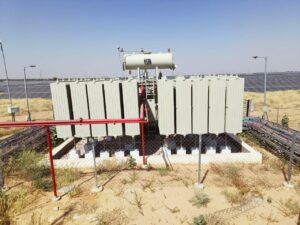
A distribution transformer isn't a commodity you grab off a shelf. Pick the wrong one, and you're looking at nuisance tripping, early failures, or an expensive piece of gear that never runs efficiently. At Zisheng Electric, we've been on the recei...
View details
Why Tropical-Ready Design Determines Project Reliability A transformer failure in a Vietnamese coastal industrial park or a Thai solar farm is never just a component issue. Production halts. Revenue slides. The unplanned maintenance costs no proje...
View details
Reliable Transformer Supply for Renewable Energy, Industrial, Utility, and Infrastructure Projects For EPC contractors, the decision of which transformer manufacturer to work with can shape how the entire project unfolds. A transformer is just one...
View details