 zishengelectric





news
News Center
Providing high-quality power to the world
Search productSearch post
news
Providing high-quality power to the world
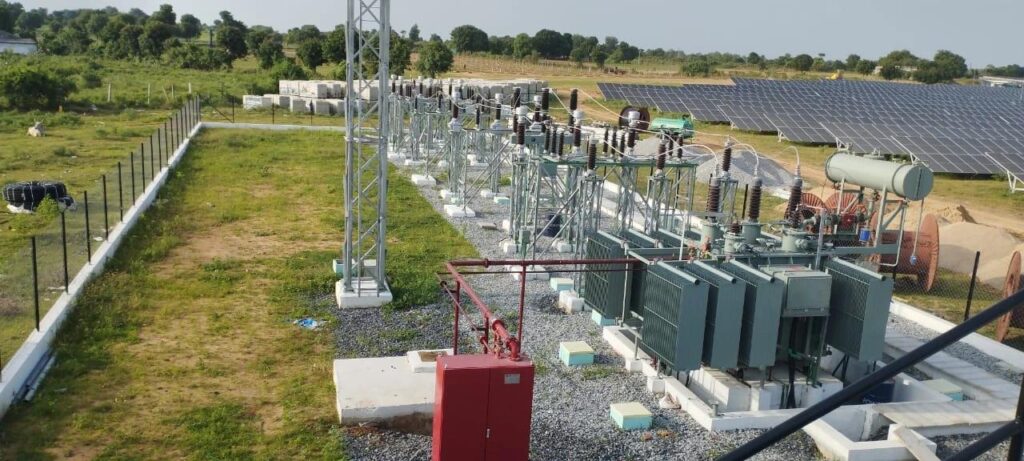
A distribution transformer isn’t a commodity you grab off a shelf. Pick the wrong one, and you’re looking at nuisance tripping, early failures, or an expensive piece of gear that never runs efficiently.
At Zisheng Electric, we’ve been on the receiving end of enough urgent calls to know how this plays out. A solar farm pushes a standard unit with shifting loads it wasn’t designed for. A mine drops a transformer into a dusty, high-vibration spot with no extra mechanical reinforcement. Problems don’t take long to surface.
The transformer needs to match how your site actually works, not just a set of specs on paper. And the supplier behind it should do a lot more than ship a box.
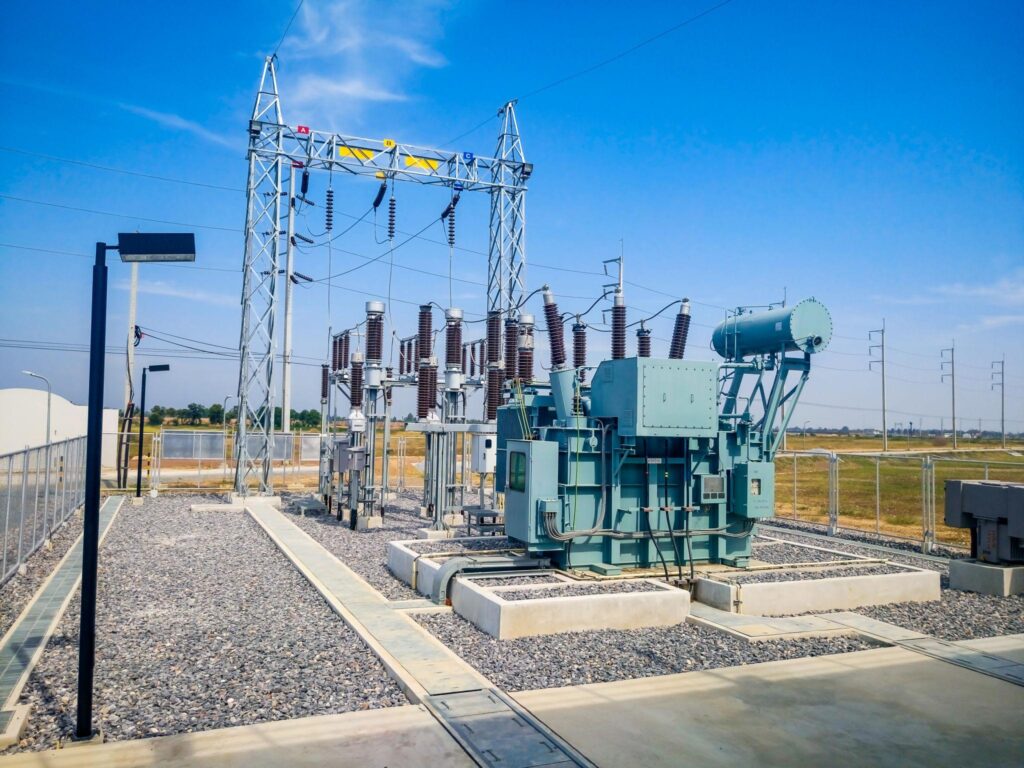
Transformers Live in Different Worlds
A unit sitting on a concrete pad at a solar farm has a very different life from one bolted inside a data center.
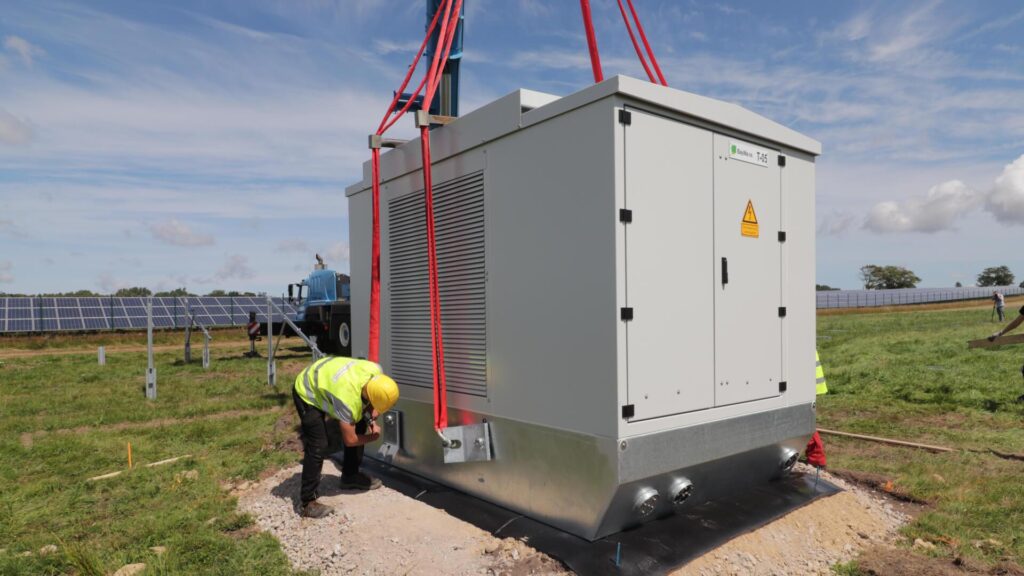
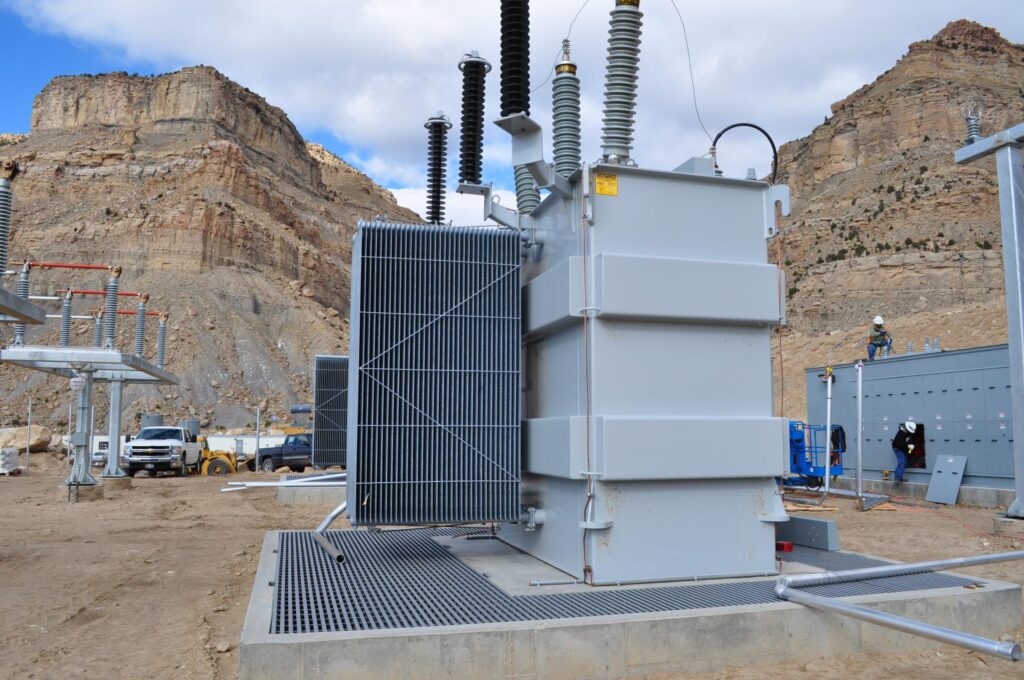
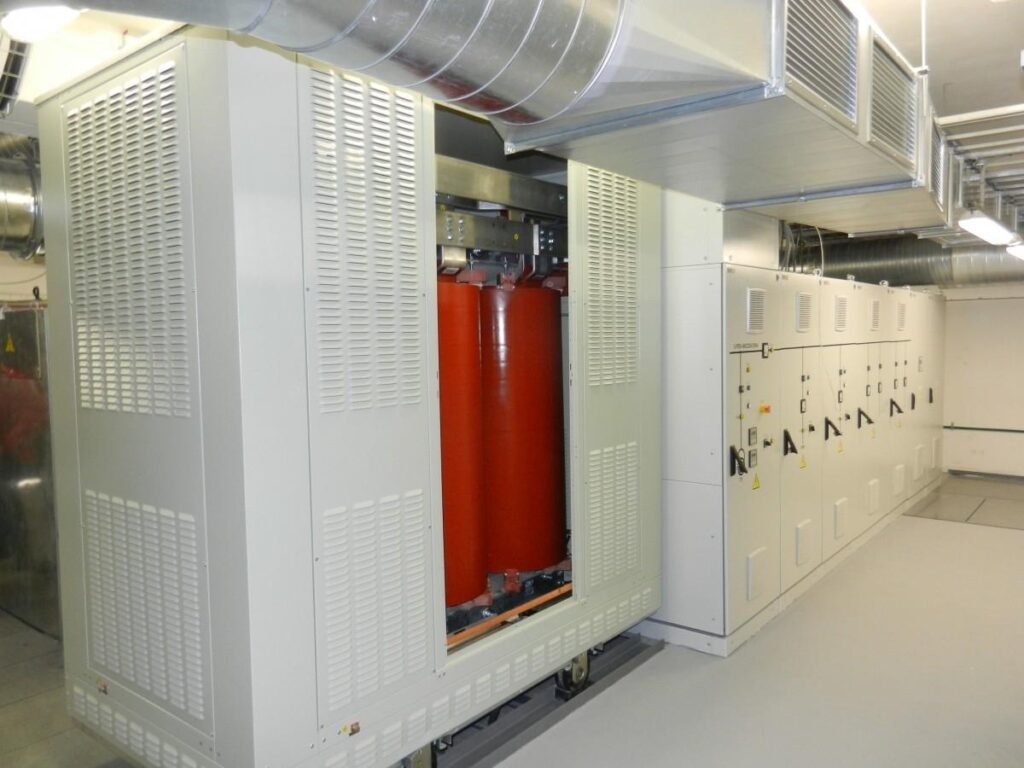
The trick is buying a transformer built for the life it’ll actually lead.
Brochures don’t keep the lights on. Manufacturing discipline does.
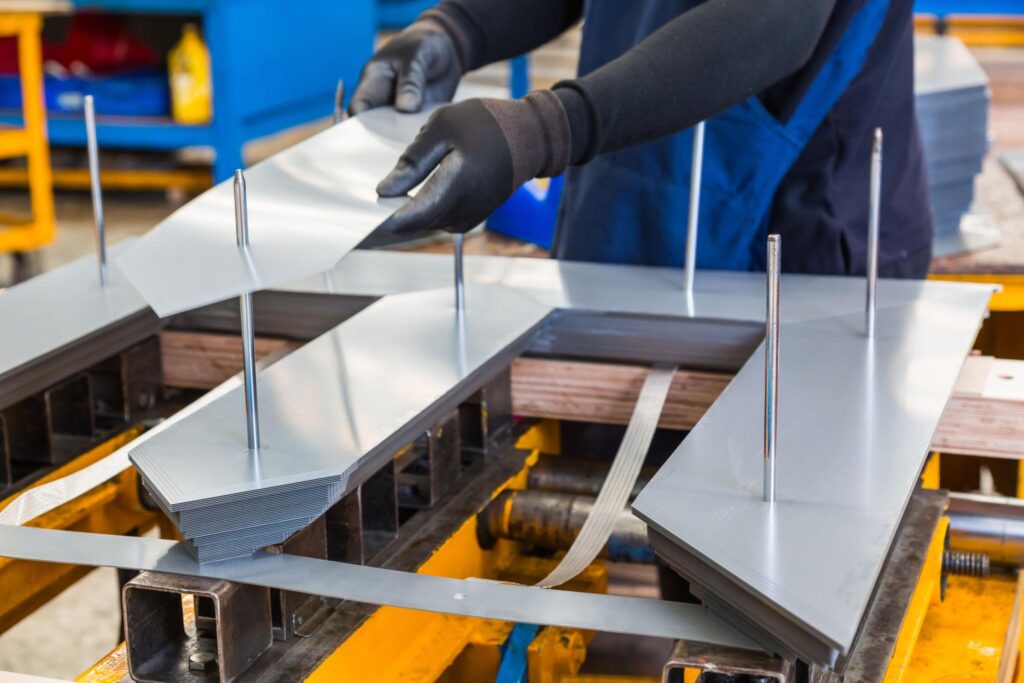
When our team works with EPC contractors or utilities, the process starts with an engineer-to-engineer review of the spec. Drawings go back and forth before any steel hits the cutting line. It’s painstaking up front, but it stops problems that cost ten times more to fix on site.
Every stage inside the Zisheng Electric production workshop gets checked:
For international projects, we also handle export packing and all the paperwork. A perfectly good transformer damaged because the crate wasn’t built for a long sea voyage—we’ve seen it, and we make sure it doesn’t happen on our watch.
Our production covers the range most projects need:
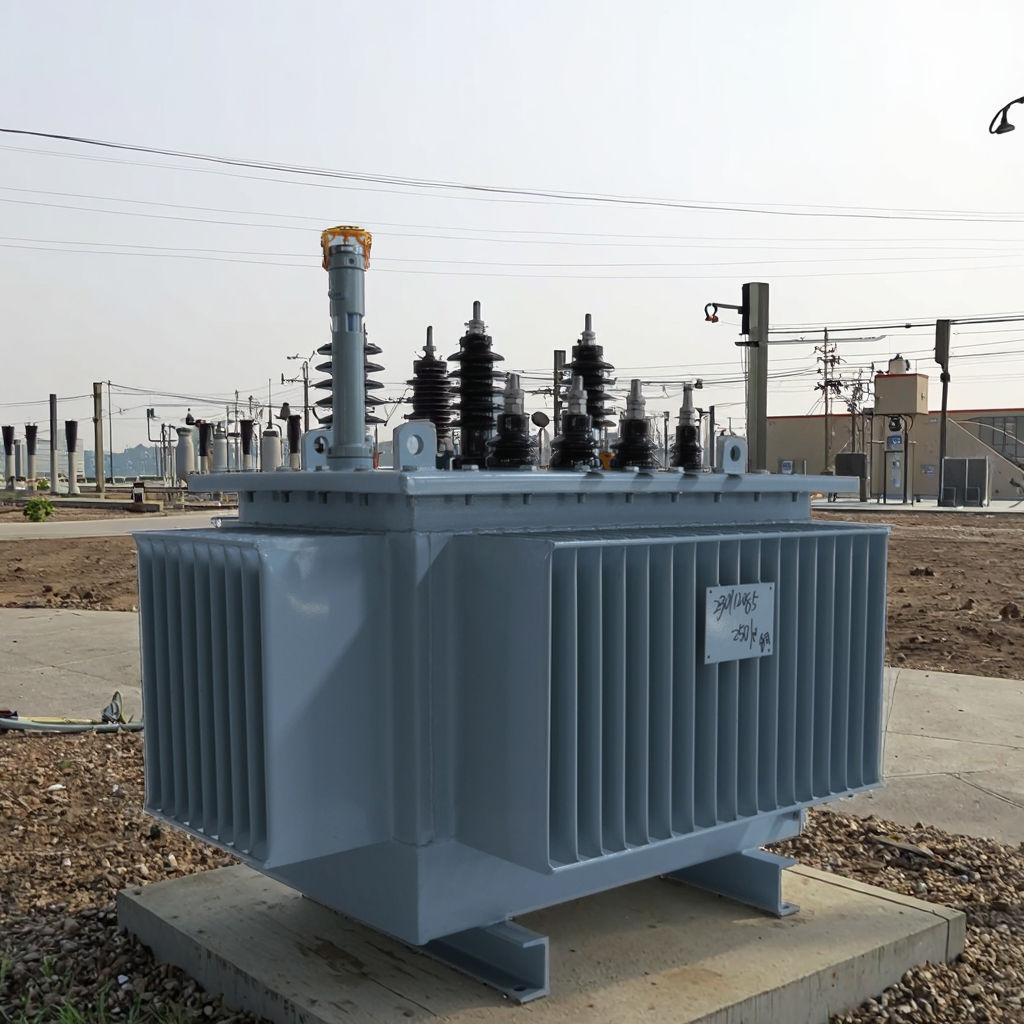
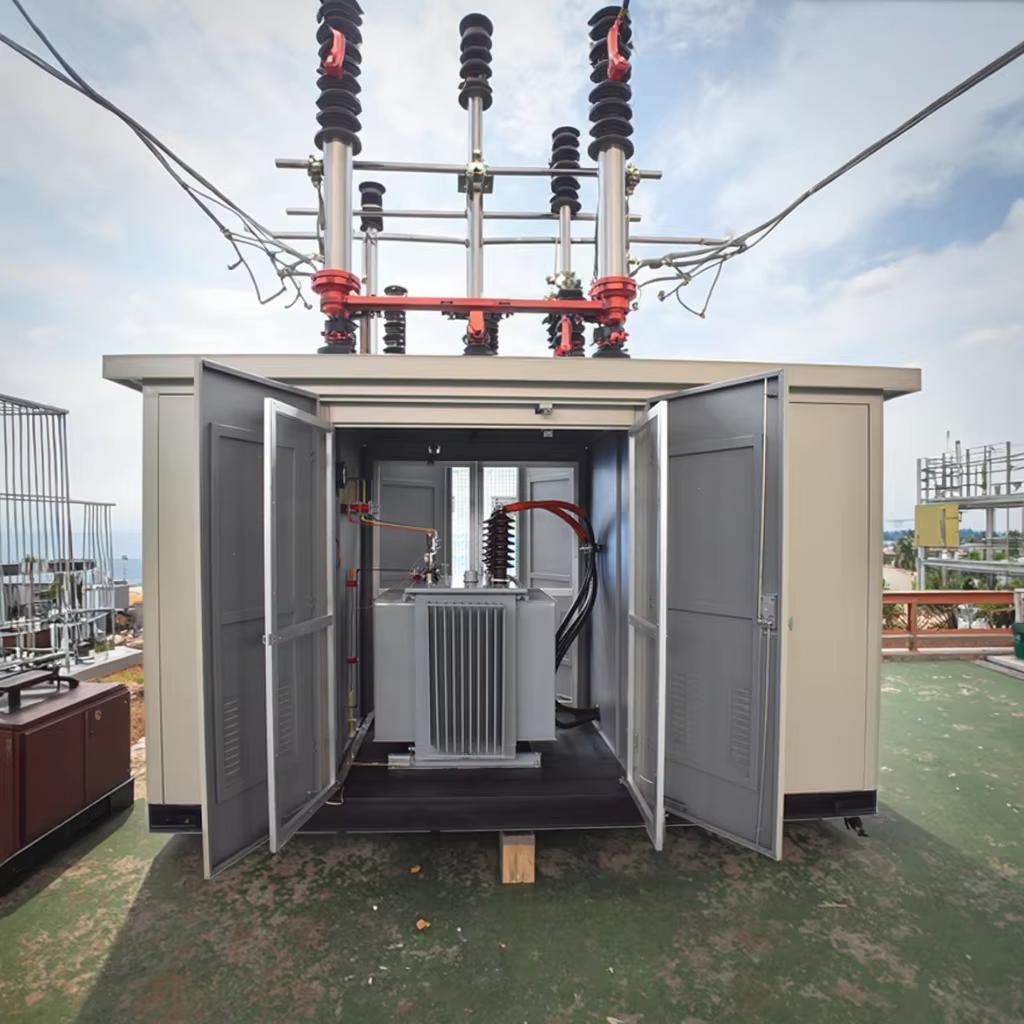
We don’t push one type over the other. Your installation location dictates the choice.
Oil-Immersed Units
These handle the outdoors. They cool better, take overloads gracefully, and last decades on a utility pole or a solar field pad.
→ Where they belong: Utility substations, solar farms, wind sites, mine yards, any outdoor industrial area.
Dry-Type Units
If the transformer sits inside a building, you’re likely looking at dry-type. Fire-resistant, no oil, minimal maintenance.
→ Where they belong: High-rise electrical rooms, hospital basements, data center power halls.
Pad-Mounted & Compact Substations
When you need power distributed through a campus, industrial park, or commercial development, these keep everything enclosed and tidy.
Undersize, and windings cook. Oversize, and you’ve spent too much money and might be running at poor efficiency for years.
Don’t guess. Look at your connected load, your realistic expansion plans, and your duty cycle. A 1000 kVA unit at a plant that runs flat-out 24/7 is different from a 1000 kVA unit that only sees peak load for an hour a day.
Common ratings—250, 500, 1000, 1600, 2500 kVA—are starting points, not automatic answers.
Primary and secondary voltages, frequency, vector group—these can’t be “confirmed later.” The grid code your project has to meet shapes the entire design.
If your project follows IEC but the financier wants ANSI testing, that discussion needs to happen from day one. Zisheng Electric works across both worlds and can translate those requirements without blank stares.
Most large EPC jobs don’t fit a catalog item perfectly. You might need a non-standard voltage combination, a special enclosure for corrosive air, or specific protection devices built into the unit.
Our advice: get the manufacturer’s engineering team involved early. A few days of back-and-forth on drawings saves weeks of field rework later.
Every transformer leaving Zisheng Electric goes through routine tests—no exceptions:
For major projects, we schedule Factory Acceptance Tests and welcome third-party inspectors. That’s not a burden—it’s how trust gets built before the unit hits the water or the road.
A utility-scale solar project needed a 2500 kVA oil-immersed transformer for their collection system. The site was outdoors, exposed, and the load would swing every time clouds rolled through.
Zisheng Electric didn’t ship a stock unit. Our team confirmed the voltage configuration against the inverter specs, designed an outdoor-rated enclosure, and ran the full IEC testing program. Our engineers walked their technical team through the drawings and test reports before dispatch.
The result wasn’t just a delivered transformer. It was a unit that bolted in, passed commissioning, and connected to the grid without drama.
A transformer purchase doesn’t end at delivery. You want a manufacturer who sticks around:
That’s how Zisheng Electric supports EPC contractors, utilities, and industrial customers through the entire project lifecycle.
What info do you need for a proper quote?
Transformer type, rated capacity, primary and secondary voltages, frequency, installation location, applicable standard, and quantity. If you have an RFQ or single-line diagram, even better—it speeds up the engineering review.
How long do these transformers actually last?
Properly built and maintained units from Zisheng Electric routinely run 25 years or more. The three things that cut life short are sustained overloading, poor ventilation, and neglected maintenance.
Can you customize, or do I pick from a catalog?
Almost everything we build gets some level of customization—voltages, enclosures, cooling, protection, documentation packages. Tell us what the project actually needs.
Do you handle renewable energy projects?
Yes. Solar farms, wind sites, and BESS facilities are a major part of what we supply. Solutions are tailored to voltage requirements, grid connection conditions, and site environments.
What’s the real difference between oil and dry-type?
Oil goes outdoors. Dry goes indoors. Both have their place. The decision comes down to your site layout and fire safety requirements.
The right transformer won’t draw attention to itself. It’ll just work, year after year. But that only happens when the technical selection, manufacturing quality, and project support line up from day one.
At Zisheng Electric, we don’t just ship transformers. We deliver power systems that EPC contractors and project owners can count on for the long haul.
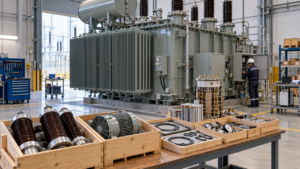
Build a transformer spare parts strategy for EPC projects covering commissioning consumables, operational and insurance spares, storage, FAT and handover.
View details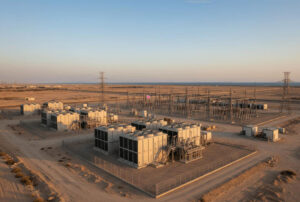
Power infrastructure across Saudi Arabia, the UAE, Qatar, and Oman operates under conditions that would quickly derate or destroy standard electrical equipment. In these environments, transformer failure is rarely a manufacturing defect—it is almo...
View details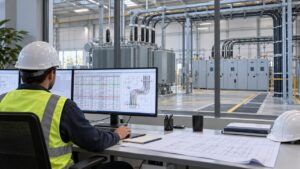
Build a practical substation cable interface schedule for EPC projects, covering power, control and fiber cables, terminal data, routing, scope ownership, construction release and commissioning evidence.
View details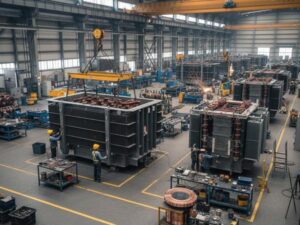
In EPC projects, transformer issues rarely appear during the quotation stage. They usually become visible later — during installation, inspection, or commissioning, when changes are costly and project schedules are already under pressure. A transf...
View details