 zishengelectric





news
News Center
Providing high-quality power to the world
Search productSearch post
news
Providing high-quality power to the world
A transformer factory acceptance test is most useful when it is treated as a controlled EPC interface, not as a ceremonial visit at the end of manufacturing. The witness team needs an approved specification, released drawings, calibrated instruments, agreed acceptance criteria and a clear route for closing deviations. Zisheng Electric normally begins a transformer FAT witness plan by mapping every test and inspection point back to the purchase order, approved datasheet and inspection and test plan.

The transformer sits between the grid or generator source, the project switchgear and the connected loads. A mismatch in ratio, vector group, terminal arrangement, CT data or control logic can delay energization even when routine electrical tests pass. The witness plan must therefore cover the physical configuration and documentation as well as measured electrical performance.
For EPC enquiries, our engineers usually ask for the latest single-line diagram, transformer datasheet, protection philosophy, cable or bus duct interface drawings and the approved vendor document register. These documents define what the factory team is expected to present. If revisions are still open, the FAT date should not be frozen simply to protect a shipping milestone.
A hold point means the activity cannot proceed without release by the designated party. A witness point gives the client or inspector the right to attend, while a review point is normally satisfied by an accepted record. These terms should be defined in the inspection and test plan. Using “witness” for every activity creates congestion without improving quality; leaving critical checks as document review can hide interface errors until site installation.
| EPC interface | Common risk | What should be confirmed |
|---|---|---|
| Approved transformer datasheet | Test values compared with an obsolete revision | Revision status, signed approval and traceability to the purchase order |
| Terminal and cable interface | Wrong orientation, gland plate or clearance | GA drawing, phase marking, cable entry, bus duct dimensions and access |
| Protection CTs and alarms | CT ratio, polarity or contacts do not match relay design | Nameplate data, wiring diagram, polarity checks and alarm/trip matrix |
| Electrical routine tests | Results recorded without agreed acceptance basis | Procedure, instrument calibration, ambient data, connections and limits |
| Accessories and marshalling box | Missing devices or unverified terminal numbers | BOM, terminal plan, functional checks, heater supply and spare contacts |
| Deviation closure | Open punch items follow the transformer to site | Owner, due date, evidence required and shipping release authority |
The vendor should issue a FAT dossier index before the visit. It should identify approved procedures, drawings, calibration certificates, test forms and previous inspection records. The EPC team can then flag missing information while there is still time to correct it. Traveling first and asking for documents in the test bay wastes both inspection time and manufacturing capacity.
The approved transformer manufacturing route also matters. Some characteristics can no longer be directly inspected after active-part assembly and tanking. Winding material records, core clamping checks, drying records and internal lead inspections may therefore be review points supported by manufacturing records and photographs rather than FAT-day observations.
The witness plan should identify the serial number and ordered configuration. Verify the nameplate, rating, voltage ratio, vector group, tap range, cooling class, impedance declaration and accessory list before electrical testing begins. If removable accessories are not installed, the report must state how their functionality was verified and when final installation will occur.
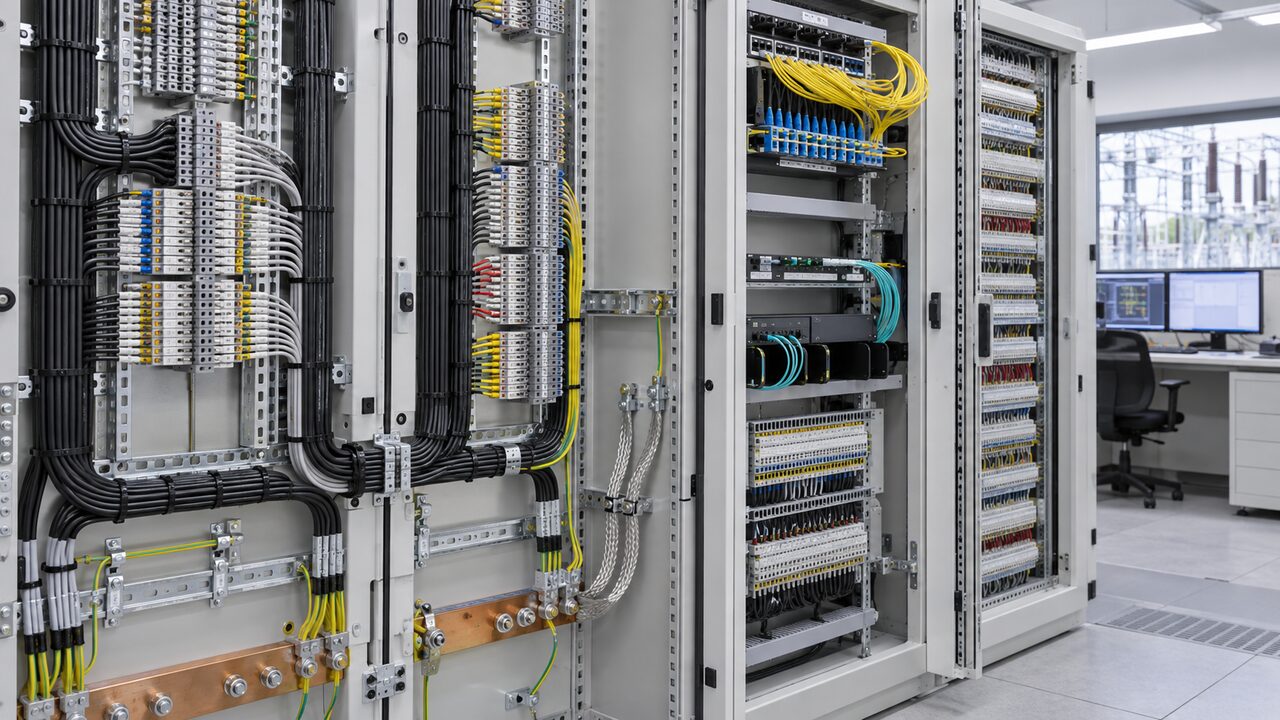
A test result without its conditions is difficult to review. Reports should identify the test connection, tap position, oil or winding temperature where relevant, ambient conditions, instrument serial numbers and calibration validity. Measured values should be compared with the guaranteed or approved basis, not only with a broad standard statement.
Resistance results need phase consistency and temperature reference. Ratio and vector-group checks need the correct tap sequence and terminal identification. No-load loss, load loss and impedance measurements need clear voltage, current, frequency and temperature correction information. Insulation tests must show the applied levels and duration required by the approved specification. Where a special test is ordered, its procedure and acceptance basis should be approved before the FAT.
The EPC representative does not need to repeat the factory engineer’s calculations in real time, but they should understand what would make a result questionable: unstable supply, incorrect connection, unexplained phase deviation, instrument range near its limit or a correction method not shown in the report.
Many commissioning delays come from auxiliary circuits rather than the transformer windings. The FAT should check temperature indicators, oil level devices, pressure devices, fans or pumps where fitted, space heaters, marshalling box lighting, alarm contacts and trip contacts. Terminal numbers must match the approved schematic and the project’s substation cable interface schedule.
If the transformer protection scheme uses external relay panels, agree a practical simulation boundary. The factory can verify device contacts and internal wiring, while the EPC team confirms how those signals are mapped into the protection and control system. The witness record should state the boundary rather than imply that the complete site trip chain was tested.
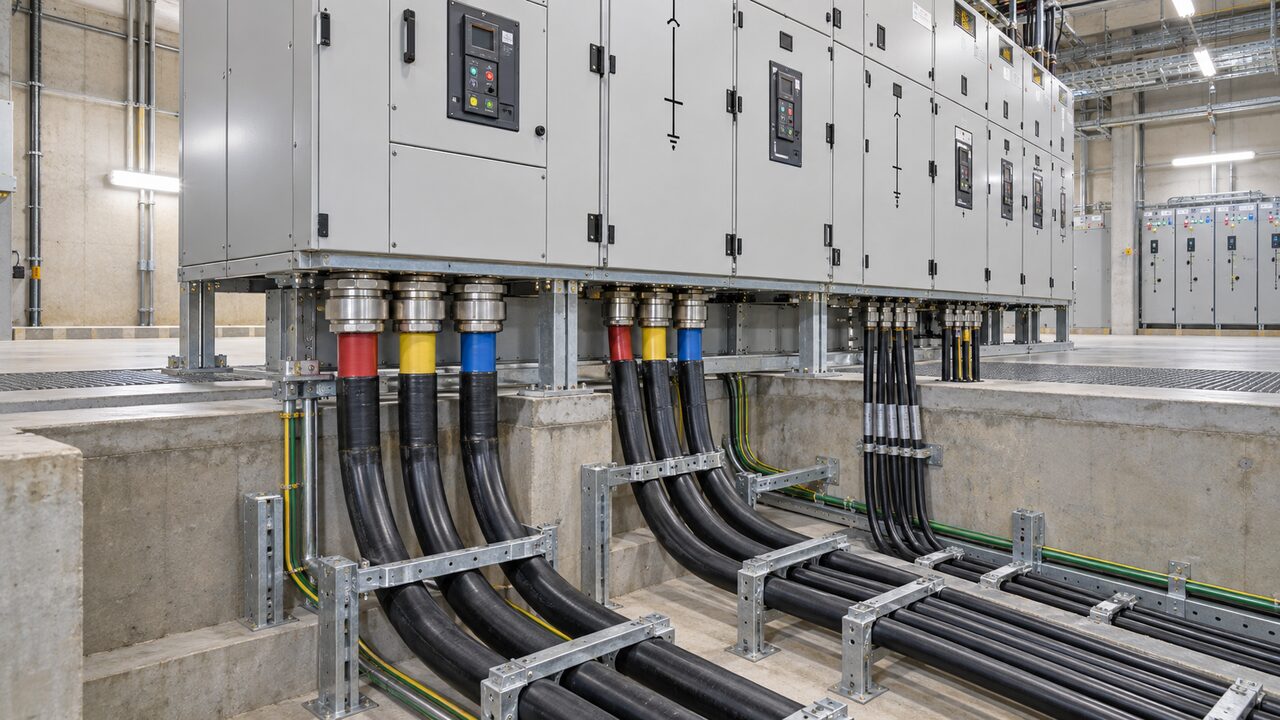
A deviation is not closed because it was discussed. Each item should have a unique number, clear description, specification reference, responsible party, corrective action, evidence requirement and due date. Classify whether it blocks testing, blocks shipping or may be completed at site. The EPC project manager should know exactly who can release a hold point.
Minor paint repair and final label correction may be closed by photographs and revised documents. An unexplained loss result, incorrect bushing rating or mismatch in CT data normally requires a stronger response and possibly retesting. The classification must follow technical risk, not schedule pressure.
Passing electrical tests does not automatically mean the transformer is ready to ship. Confirm preservation, oil level for transport, shock or tilt monitoring if specified, loose accessory packing, flange protection, desiccant, weatherproofing, package marking and the final shipping list. Review the project’s EPC project supply process and transport responsibilities before release.

A useful dossier contains an approved index, signed test reports, calibration certificates, nameplate and configuration photographs, accessory functional-check sheets, punch-list status, packing records and the final document transmittal. File names and revision numbers should follow the project document-control system. Scanned signatures alone are not enough if the report cannot be traced to the tested serial number.
Link the FAT closeout to installation and commissioning. Site teams need the final drawings, alarm and trip matrix, oil handling instructions, torque values, preservation requirements and outstanding site work. Related guidance on transformer oil containment interfaces can help align civil readiness with equipment delivery.
For a reliable transformer FAT witness plan, send the purchase specification, approved datasheet, single-line diagram, drawing register, inspection and test plan, protection interface schedule, packing requirements and target delivery sequence. Zisheng Electric can coordinate transformer, compact substation and associated distribution-equipment interfaces around the actual project capacity, voltage level and site conditions. Our engineering team will review the requirements and respond to project inquiries within 24 hours.
After years of working on-site with EPC projects, I have realized one critical truth: although transformers seem to be standard electrical equipment, every actual project requires customized support. Tiny differences in design parameters, dimensio...
View details
Build a transformer inspection and test plan that links hold points, witness notices, test records and release authority to an EPC project's delivery schedule.
View details
Build a transformer site assembly supervision plan covering site release, bushings, radiators, oil filling, hold points and EPC handover records.
View details
A practical EPC guide to evaluating transformer suppliers for Middle East and Africa projects, covering IEC compliance, testing, manufacturing, logistics, FAT, site service and after-sales support.
View details