 zishengelectric





news
News Center
Providing high-quality power to the world
Search productSearch post
news
Providing high-quality power to the world
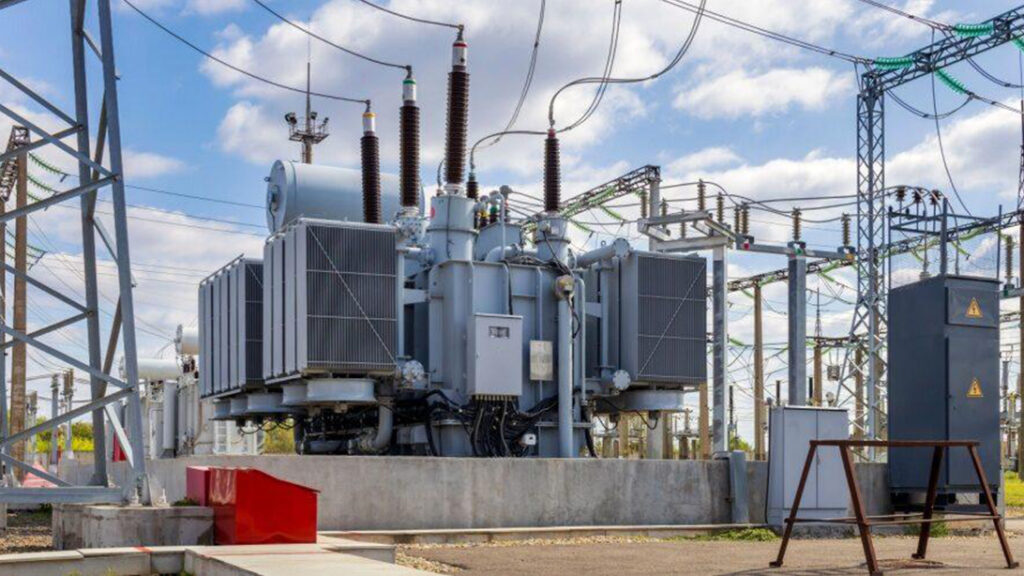
I am an engineer from Zisheng Electric’s transformer design team, responsible for transformer design, technical product support and on‑site project services. We have taken part in power projects across many countries and regions, ranging from industrial power distribution and new‑energy power generation to grid construction and infrastructure development. During technical discussions with EPC contractors, project owners and power engineering firms, one question frequently comes up: what effective transformer maintenance to extend service life can ensure stable long‑term operation?
This seems like a simple question, yet real‑world project experience shows there is no fixed answer. A well‑manufactured oil‑immersed power transformer running under reasonable conditions with standardized maintenance can operate stably for more than 30 years. However, some units suffer degraded insulation, abnormal temperature rise and accessory aging after only a dozen years of service. Field investigations reveal most failures stem not from manufacturing defects, but from poor long‑term operation management, including missing periodic tests, neglected insulating‑oil conditions, continuous over‑load operation and maintenance plans mismatched with local environments.
A transformer is a long-term operating electrical asset, and its service life is influenced by multiple factors working together.
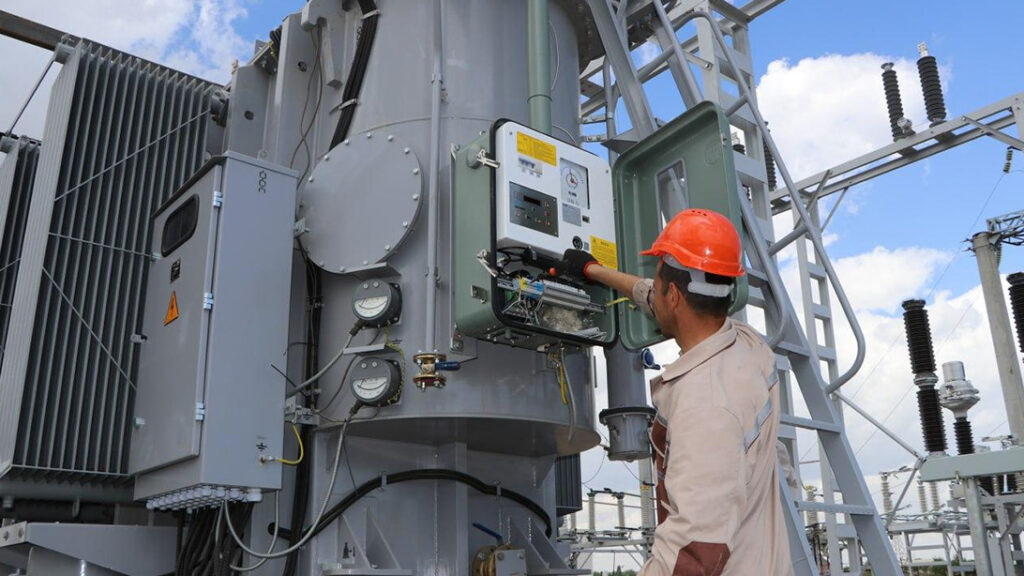
In actual projects, we usually focus on the following key factors:
| Influencing Factor | Impact on Transformer | Maintenance Focus |
|---|---|---|
| Operating Temperature | Accelerates aging of insulation materials and shortens service life | Control temperature rise, inspect cooling systems, and prevent overheating |
| Load Level | Increases winding thermal stress and accelerates insulation aging | Monitor load conditions and avoid long-term overload or frequent impact overload |
| Transformer Oil Condition | Reduces insulation performance, affects heat dissipation, and may generate fault gases | Conduct regular oil analysis, including DGA, dielectric loss testing, moisture content testing, etc. |
| Environmental Conditions | Sand, dust, salt fog, and high temperatures can cause corrosion, contamination, and reduced cooling efficiency | Apply corrosion protection, perform regular external cleaning, and select equipment suitable for the environment |
| Power Grid Quality | Overvoltage and harmonics can cause insulation stress and local overheating | Verify protection settings and monitor harmonic impact |
| Maintenance Management | Directly determines the long-term health condition of the equipment | Establish a regular maintenance plan based on actual operating conditions |
Among these factors, temperature and insulation condition are usually the two most critical factors affecting transformer service life.
Especially in large-scale industrial projects, renewable energy projects, and power grid applications, a well-designed operation and maintenance strategy can significantly reduce equipment failure risks.
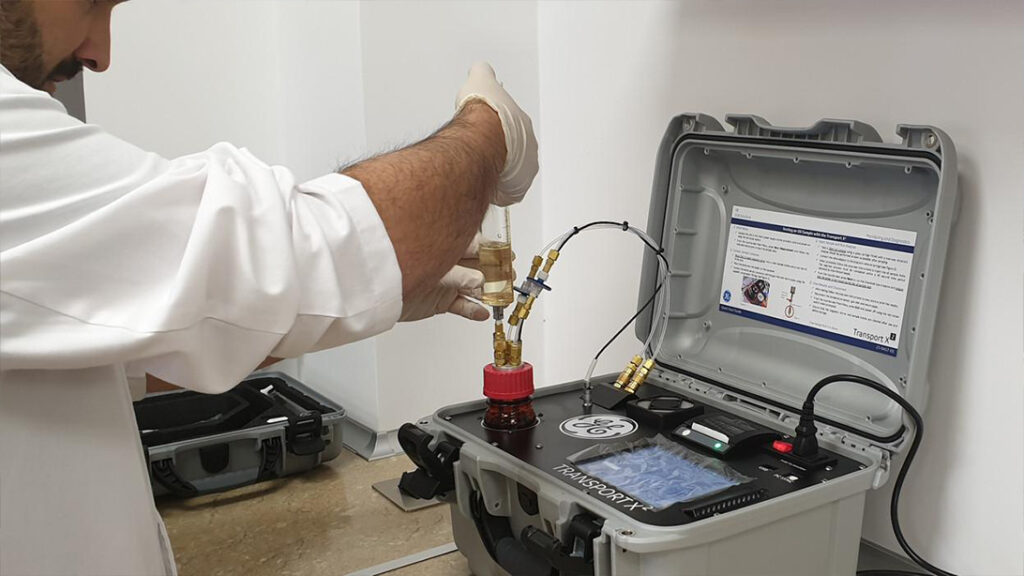
For most oil-immersed transformers, transformer oil performs two critical functions:
First, it provides electrical insulation.
Second, it transfers heat generated by the windings and core to the cooling system.
As operating time increases, the insulating oil is affected by:
Eventually, the performance of the oil gradually deteriorates.
If transformer oil testing is not carried out regularly, the following problems may occur:
| Test Item | Testing Purpose | Possible Causes of Abnormal Results |
|---|---|---|
| Breakdown Voltage Test | Evaluate the insulation capability of transformer oil | Moisture ingress, solid particle contamination |
| Moisture Content Test | Determine the moisture level in the oil | Seal failure, moisture penetration from the environment |
| Acid Value Test | Evaluate the oxidation and aging condition of insulating oil | Long-term high-temperature oxidation |
| Dielectric Loss Test (tanδ) | Assess dielectric loss performance | Oil contamination, moisture, aging, and acidification |
| Dissolved Gas Analysis (DGA) | Diagnose potential internal transformer faults | Internal overheating, partial discharge, arcing faults, decomposition of solid insulation materials |
For large-scale grid projects, renewable energy plants, and industrial facilities, regular oil-immersed transformer maintenance can help identify potential problems at an early stage and prevent unexpected shutdowns.
During transformer operation, temperature management is extremely important.
Many transformer problems are not caused by insufficient capacity, but by operating conditions exceeding the original design assumptions.
For example, in a Middle East industrial project, the customer initially selected equipment based on standard environmental conditions.
However, after technical review, we identified several challenges:
If a standard design was used under these conditions, long-term operation could result in excessive temperature rise and accelerated insulation aging.
Therefore, during the design stage, engineers must consider:
For projects in high-temperature regions such as Saudi Arabia and the UAE, transformer selection for hot climates must place special emphasis on cooling performance, corrosion resistance, and long-term operational reliability.
Long-term overload operation is one of the major factors affecting transformer service life.
Many industrial projects have sufficient transformer capacity during the initial design stage. However, after several years of operation, actual load demand may exceed the original design conditions due to:
Long-term overload operation can lead to:
For industrial projects, mining projects, and renewable energy applications, proper capacity selection during design and continuous load monitoring during operation are essential parts of transformer maintenance management.
| Operating Condition | Load Level | Maintenance Recommendation |
|---|---|---|
| Normal Operation | 70%–90% of rated capacity | Perform routine periodic inspections |
| High Load Operation | 90%–100% of rated capacity | Strengthen temperature monitoring and shorten oil testing intervals |
| Short-Term Overload | Above rated capacity | Follow manufacturer recommendations and IEC 60076-7 overload guidelines to control overload magnitude and duration |
| Long-Term Overload | Continuously exceeding rated capacity | Conduct load analysis, reassess transformer capacity, and consider system upgrades |
If a transformer operates under high-load conditions for a long period, a detailed load assessment should be carried out. When necessary, capacity expansion, load redistribution, or operational adjustments should be implemented.
Proper preventive maintenance can effectively reduce the risk of accelerated insulation aging caused by long-term overload operation.
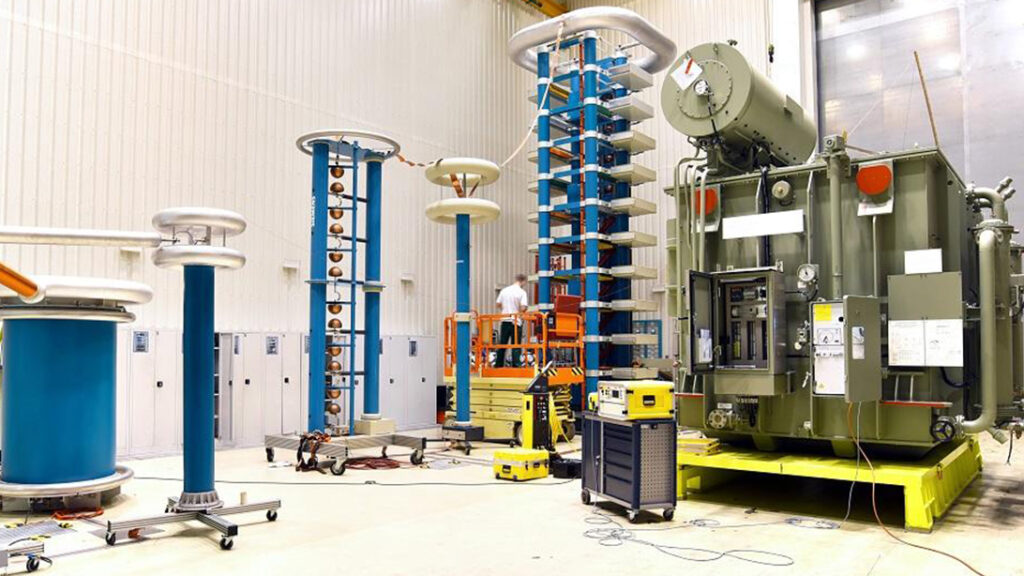
Many customers focus on the transformer main body but often overlook the importance of accessories.
In actual operation, however, many transformer failures begin with accessory problems.
For transformer inspection, checking the condition of accessories is a critical part of preventive maintenance.
The main inspection items include:
| Accessory | Inspection Items | Abnormal Conditions |
|---|---|---|
| Bushing | Check for cracks, surface contamination, and discharge marks | Reduced insulation performance, surface flashover |
| Oil Level Gauge | Monitor oil level changes and check for leakage | Oil leakage, abnormal high or low oil level |
| Breather | Check silica gel color change condition | Moisture absorption failure, humidity entering the tank |
| Thermometer / Temperature Control Device | Verify display accuracy and fan linkage function | Temperature indication deviation, incorrect cooling system operation |
| Radiator | Check dust accumulation, blockage, and fan operating condition | Reduced heat dissipation efficiency, excessive temperature rise |
| Sealing Components (Flanges, Gaskets) | Check aging, cracks, and deformation | Oil seepage or oil leakage |
For oil-immersed transformer maintenance, the condition of accessories directly affects long-term equipment reliability.
Many transformer failures do not occur suddenly. Instead, they gradually develop through a combination of accessory defects, insulation deterioration, and abnormal temperature conditions.
Therefore, establishing a complete accessory inspection system can help identify potential operational risks before they develop into serious failures.
Transformer maintenance cannot follow exactly the same standard everywhere.
Different regions have significantly different environmental conditions.
Especially in overseas projects, transformers often operate under different climate challenges. Therefore, a practical transformer maintenance plan must be developed according to the actual operating environment.
| Operating Environment | Main Risks | Maintenance Focus |
|---|---|---|
| Desert Areas | High ambient temperature, sand and dust accumulation | Clean radiators regularly, strengthen temperature and cooling system inspections, ensure sealing performance against dust ingress |
| Coastal Areas | Salt fog corrosion | Inspect anti-corrosion coatings, bushings, terminals, and verify sealing integrity |
| Tropical Areas | High humidity and condensation | Control moisture content in oil, inspect breathers and sealing components to prevent moisture ingress |
| Mining Areas | Heavy dust contamination | Regularly clean tanks, radiators, and bushings; inspect external insulation contamination |
| Industrial Areas | Corrosive gases and industrial dust | Check external insulation and sealing components for corrosion, strengthen oil quality monitoring |
For example:
In a Middle East industrial project, the transformer was installed in an environment with high temperatures, dust, and long-term heavy load operation.
During the maintenance planning stage, we recommended:
Through targeted maintenance measures, the operating risk caused by harsh environmental conditions can be significantly reduced, helping the transformer maintain stable performance throughout its service life.
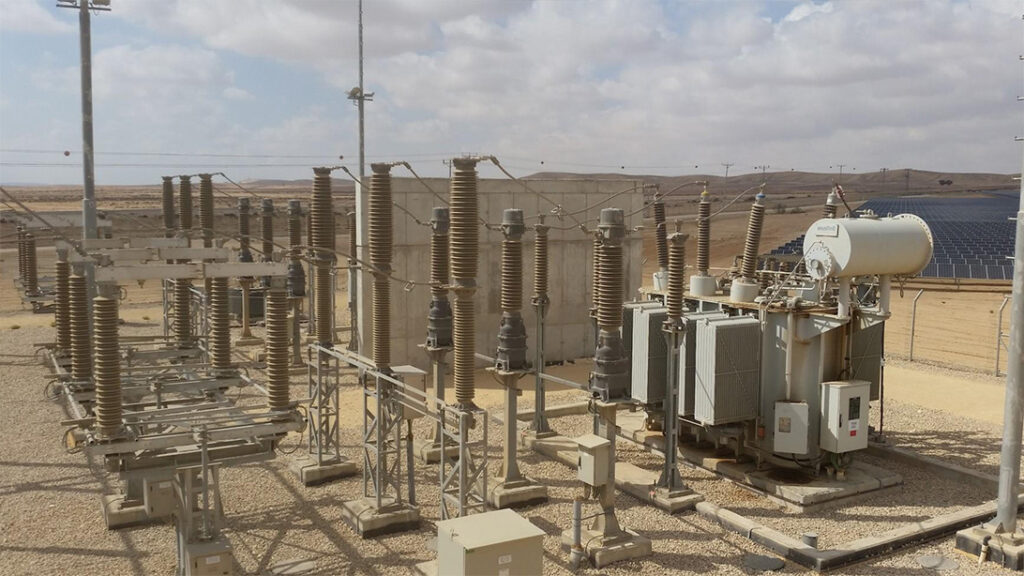
For transformer applications in Saudi Arabia, the main focus areas include:
In Middle East regions such as Saudi Arabia and the UAE, summer temperatures are extremely high. When transformers operate continuously under these conditions, special attention must be given to cooling system efficiency, insulation material thermal resistance, and overall equipment protection capability.
Mining projects in Africa mainly focus on:
Most mining projects operate under continuous production conditions. A transformer failure can directly interrupt production activities. Therefore, reliability requirements for transformers in mining applications are significantly higher than those for ordinary grid distribution projects.
Effective maintenance is not about repairing equipment after problems occur. It is about identifying potential risks before failures happen.
For large industrial projects, grid projects, and renewable energy projects, establishing a scientific transformer preventive maintenance plan is essential.
| Maintenance Cycle | Maintenance Activities | Purpose |
|---|---|---|
| Daily / Weekly Inspection | Monitor operating noise, check temperature, oil level, and external condition | Identify early abnormal signs |
| Monthly Inspection | Check bushings, breathers, cooling systems, and other accessories | Detect accessory defects and prevent failures |
| Every 6 Months | Inspect protection systems, temperature control systems, and fan linkage functions | Ensure reliable operation of protection and cooling systems |
| Annually | Perform transformer oil sampling tests and electrical inspections | Evaluate current equipment health condition |
| Every 3–5 Years | Conduct comprehensive performance assessment | Evaluate insulation aging condition and remaining service life |
Based on accumulated operation and maintenance records, engineers can analyze and determine:
Scientific maintenance management can reduce unexpected shutdown risks and improve the overall reliability of transformer operation.
For large-scale applications such as:
Transformer online monitoring is becoming increasingly important.
Modern transformer maintenance is gradually moving from traditional manual inspection toward data-driven condition management.
Common monitoring parameters include:
Traditional maintenance approach:
Abnormal condition → Shutdown inspection → Fault repair
Online monitoring approach:
Data variation → Early warning → Planned maintenance
This approach can effectively reduce the risk of unplanned downtime and improve equipment operating reliability.
For large renewable energy projects, grid infrastructure, and industrial users, online monitoring has become an important technology for improving long-term transformer reliability.
Different transformer types have different structures and application environments. Therefore, maintenance priorities also vary.
In actual projects, maintenance strategies should be developed according to equipment type, installation environment, and operating conditions.
Oil-immersed transformers are the most widely used transformers in power systems. They are commonly applied in:
Key maintenance items include:
Since insulating oil performs both insulation and cooling functions, regular oil-immersed transformer maintenance is essential for extending equipment service life.
Dry-type transformers are commonly used in applications requiring higher safety levels and environmental protection, including:
Maintenance focuses include:
Especially in desert high-temperature environments and coastal salt-fog areas, dry-type transformers require enhanced protection design and targeted maintenance based on actual site conditions.
Compact substations are commonly applied in:
Maintenance focuses include:
Especially in desert, high-temperature, and coastal environments, compact substations require enhanced protection measures according to local operating conditions.
At Zisheng Electric, we focus on transformer design, manufacturing, and power project technical support.
Over the years, we have participated in power projects across different countries and regions, providing EPC contractors, engineering companies, distributors, and project owners with integrated services covering solution design, product selection, manufacturing, factory testing, and delivery support.
Our product portfolio includes:Oil-immersed transformers、Substation transformers、Packaged transformers、Pole-mounted transformers、Dry-type transformers、Other power distribution equipment
Zisheng Electric has obtained 22 utility model patents and 3 software copyrights, is certified under the ISO 9001 Quality Management System, and complies with relevant IEC standards for transformer design and manufacturing.
Our engineering team will provide an initial technical response within 24 hours based on your project parameters.
In EPC projects, a transformer room must be designed as an operating space, not just a rectangle around the tank. Zisheng Electric engineers explain essential layout considerations including safety clearances, ventilation, lifting routes, and main...
View details
Build a practical transformer FAT witness plan for EPC projects, covering hold points, document readiness, routine tests, functional checks, punch items and shipping release.
View details
Evaluate transformer suppliers before tendering with an EPC checklist covering design, manufacturing, quality records, testing and site support.
View details
After years of working on-site with EPC projects, I have realized one critical truth: although transformers seem to be standard electrical equipment, every actual project requires customized support. Tiny differences in design parameters, dimensio...
View details