 zishengelectric





news
News Center
Providing high-quality power to the world
Search productSearch post
news
Providing high-quality power to the world
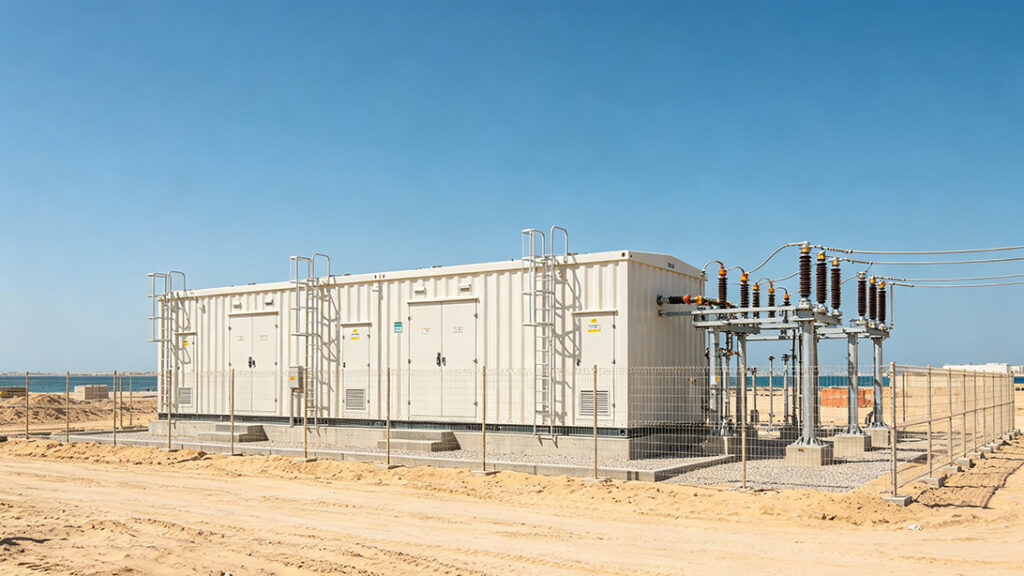
The questions we get asked most often when we visit the Middle East to communicate with customers about power distribution equipment are: Can your equipment withstand high temperatures? How fast can you deliver? Have you obtained the required certifications? Have you worked with local EPC companies before? These questions come up repeatedly. Whether it is an EPC project manager or a procurement specialist, their main concerns are always these key points.
For Middle East EPC projects in Saudi Arabia, the UAE, and other markets, transformers, packaged substations, and medium-voltage distribution equipment must not only comply with IEC standards, but also be able to withstand temperatures above 50℃, dust storms, salt spray environments, as well as meet strict project certification and qualification requirements.
Zisheng Electric has been developing the Middle East market for several years. We have participated in projects in Saudi Arabia and the UAE, worked together with Chinese EPC contractors, and supplied equipment directly to local owners.
This article takes one of our Saudi EPC projects completed last year as an example. The project was not particularly large, but it involved many of the common challenges in the market. The problems that needed to be solved were all encountered and successfully addressed.
We are sharing this experience as a reference for companies exploring the Middle East market, as well as friends involved in EPC projects. Some of these are our experiences, and some are lessons learned. We have nothing to hide.
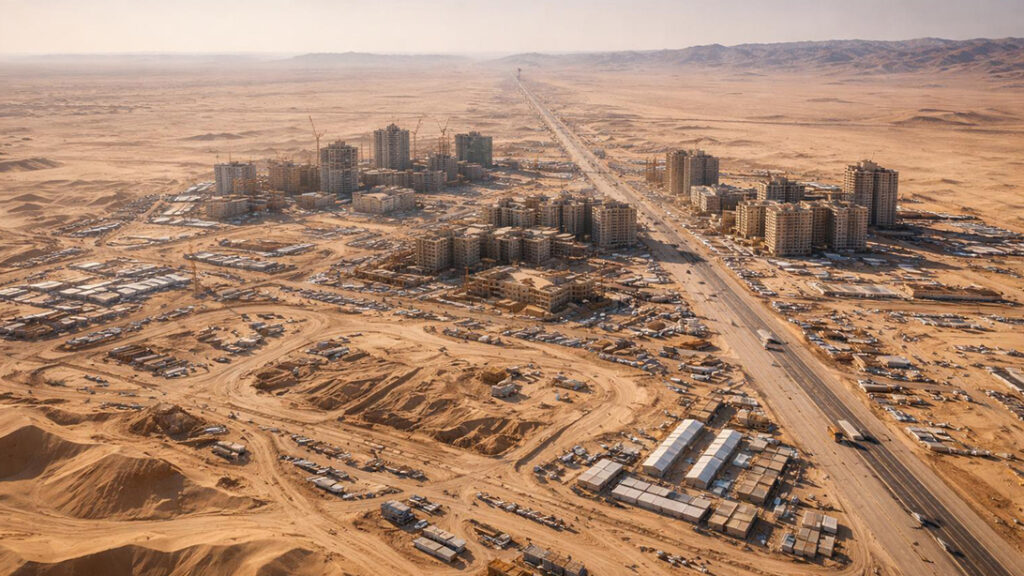
The Middle East EPC market is different from many other regions. Those who have worked in this market should understand what I mean.
First, the project scale is huge. Saudi Arabia’s “Vision 2030” initiative has been underway for several years. Projects such as NEOM, the Red Sea Project, and various economic cities all involve investments worth tens or even hundreds of billions of US dollars. Meanwhile, power companies across the Middle East are investing heavily in grid upgrades, and the annual equipment procurement volume of Saudi Electricity Company (SEC) is an enormous figure.
Second, the requirements are strict. Saudi Arabia has its own equipment compliance requirements, including SASO standards. Many products also require certification from the Saudi Standards, Metrology and Quality Organization or approval from Saudi Electricity Company. High temperature resistance is a mandatory requirement — summer temperatures of 50°C are common in Saudi Arabia, so equipment design must include sufficient temperature rise margin. In addition, there are localization requirements. The IKTVA policy requires EPC projects to achieve a certain percentage of local procurement or local manufacturing within Saudi Arabia.
Third, the project schedule is extremely tight. Middle East EPC projects usually have strict deadlines. The owner pushes the EPC contractor, the EPC contractor pushes subcontractors, and subcontractors push suppliers. If equipment arrives one week late, penalties are calculated on a daily basis. During peak seasons, customs clearance at Saudi ports can take half a month, and EPC companies factor these time costs into supplier selection.
Fourth, competition is intense. European brands such as ABB and Siemens entered the Middle East market early, have deep local relationships, and possess extensive project references. Turkish manufacturers benefit from geographical advantages and competitive pricing. Chinese brands have entered the market in increasing numbers in recent years, but relatively few have truly established a long-term presence. Many still operate mainly through trading companies.
This is the basic reality of the Middle East EPC market — there are opportunities, but also significant barriers.
Around this time last year, we received an inquiry from a Chinese construction company that was undertaking an EPC project in Saudi Arabia. They had secured a section of a new city development project. The basic project information was as follows:
Project Location: Saudi Arabia, a new city development zone along the Red Sea coast
Project Owner: Saudi urban development project owner
EPC Contractor: China State Construction Engineering Corporation (CSCEC) Saudi Branch
Project Scale: Approximately 35 square kilometers, developed in three phases
Current Stage: Phase I development, including public facilities, partial residential and commercial facilities, and the park power distribution network
Phase I Power Distribution Equipment Requirements:
Schedule Requirement: From equipment production scheduling to arrival at the Saudi project site, within 16 weeks
Standards Requirement: Compliance with IEC standards, with equipment required to pass Saudi SASO CoC (Saudi Arabia Certificate of Conformity) certification
Environmental Conditions: Maximum ambient temperature 50°C, high coastal humidity, and severe sand and dust conditions
The customer told us:
“We previously prepared the solution using European brands, but the quotation exceeded the budget. The owner is pushing for cost reduction, so we have to change suppliers. Can Chinese equipment meet the requirements?”
The words “Yes, we can” are easy to say. But after that, one challenge came after another.
| Item | Parameter |
|---|---|
| Country | Saudi Arabia |
| Ambient Temperature | 50°C |
| System Voltage | 13.8kV/400V |
| Standard | IEC60076 |
| Protection Class | IP54/IP65 |
| Application | New city, commercial, residential |
| Equipment | Packaged substation, MV switchgear, LV switchgear |
European brands usually have quotations around 30% higher than Chinese supply solutions. However, project procurement should not focus only on equipment purchase price. More importantly, customers need to calculate the Total Cost of Ownership (TCO) — including equipment cost, logistics, transportation, certification, customs clearance, site installation support, and future maintenance costs.
For this project, we conducted a detailed cost breakdown and made a comprehensive comparison:
| Cost Item | European Brand Solution | Zisheng Electric Solution | Difference Explanation |
|---|---|---|---|
| Packaged Substation (including transformer) | Benchmark price | Approximately 30%-35% lower | Under the same technical requirements and configuration, Chinese manufacturing supply chains have cost advantages |
| Sea Freight and Insurance | Benchmark level | Basically the same | China-to-Middle East export logistics systems are mature, with limited cost differences |
| Saudi Customs Clearance and Certification (SASO, etc.) | Benchmark level | Basically the same | Both must meet local certification requirements; costs mainly depend on project standards and documentation requirements |
| Site Installation Guidance | Standard configuration | Standard configuration | Both provide technical support to ensure smooth installation and commissioning |
| Spare Parts (regular maintenance cycle) | Benchmark level | Approximately 10%-20% lower | Chinese supply chains respond faster, with more competitive spare parts costs |
| Overall Project Cost | 100% | Approximately 30% lower | More competitive investment while meeting technical standards and operation requirements |
After comprehensive calculation, while meeting IEC standards, Saudi project specifications, and actual operating requirements, adopting a Chinese supply solution can help reduce the project’s overall procurement cost by approximately 30%.
For industrial parks, renewable energy projects, and large-scale power distribution equipment procurement projects, the more equipment required, the more obvious the supply chain advantage becomes. Meanwhile, by participating in technical solution optimization at an early stage, project installation, maintenance, and operational risks can be further reduced.
Delivery time is one of the most sensitive issues in EPC projects. For this project, the equipment had to arrive at the Saudi port within 16 weeks after receiving the customer’s PO.
We prepared the following schedule:
Week 1-2:
Receive PO and technical documents, start drawing confirmation.
(The customer provided CAD drawings from their design institute. We carried out secondary detailed design and completed confirmation within one and a half weeks.)
Week 3-9:
Factory production and internal testing.
(Materials were already prepared in inventory, allowing tight production scheduling.)
Week 10:
Customer representatives visited the factory for Factory Acceptance Test (FAT).
The entire process took three days, and all tests passed successfully.
Week 11-12:
Packaging, container loading, and shipment preparation.
(Shipping from Shanghai Port or Tianjin Port.)
Week 13-16:
Sea transportation to Saudi ports (Dammam or Jeddah) and customs clearance.
We held three meetings with the customer before finalizing this schedule.
There was an unexpected issue during the process — in Week 6, the customer suddenly emailed us saying that the design institute had changed several outgoing circuit capacities. They needed to increase the low-voltage main switch capacity from 630A to 800A.
At that time, production had already started. Fortunately, our supporting suppliers were located nearby. We received the replacement components within three days, adjusted the busbar system, and did not delay the overall production schedule.
The day the equipment was loaded onto the vessel, I sent shipment photos to the customer.
The customer replied with one sentence:
“We can finally breathe a sigh of relief.”
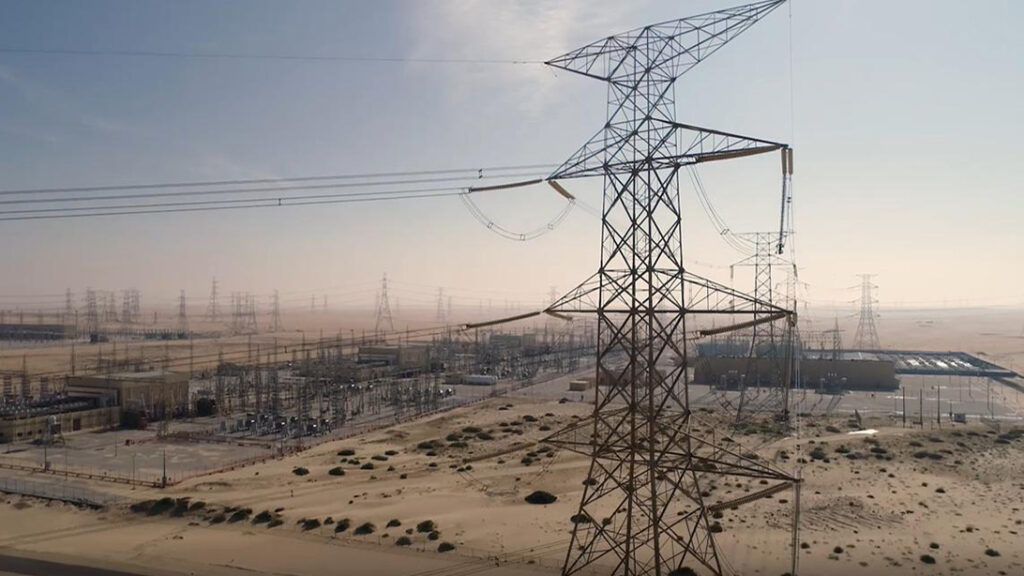
The climate in Saudi Arabia is different from many other regions. In some places, 40°C is already considered extreme heat, but in Saudi Arabia, summer temperatures can reach 50°C at noon, and the surface temperature can rise to 70-80°C. The outer surface of a packaged substation can become extremely hot to the touch.
Equipment designed for a standard 35°C ambient condition is generally unable to withstand such an environment for long-term operation. For this project, we made several targeted improvements to the packaged substation:
According to IEC 60076 standards, transformer temperature rise limits are normally designed based on standard ambient conditions. When the installation site has higher ambient temperatures, the allowable temperature rise limits need to be adjusted accordingly.
For this project, we set the design ambient temperature reference at 50°C instead of the conventional condition. The limits for oil temperature rise and winding temperature rise were each reduced by 5 Kelvin compared with standard requirements, providing additional thermal margin.
The internal structure of the packaged substation was redesigned. The medium-voltage compartment, transformer compartment, and low-voltage compartment were separated independently, with each section equipped with its own dedicated ventilation path.
The transformer compartment area was increased by approximately 20% compared with conventional designs. Additional ventilation louvers and forced exhaust fans were installed, with automatic activation when the temperature exceeds 45°C.
The lubricating oil, sealing rings, and bushings inside the switch operating mechanism were all replaced with high-temperature-resistant materials.
Conventional nitrile rubber components can age and crack after only three to five years under Saudi environmental conditions. We used a blended material based on silicone rubber and fluororubber, and the aging performance passed the accelerated aging tests conducted by our internal laboratory.
The outer enclosure of the packaged substation was designed with a layered structure filled with thermal insulation materials. The external surface was coated with reflective heat-insulating paint.
Under direct sunlight, the enclosure surface temperature was reduced by approximately 8-10°C compared with conventional coatings.
The customer specifically tested this performance on site and commented:
“It really works.”
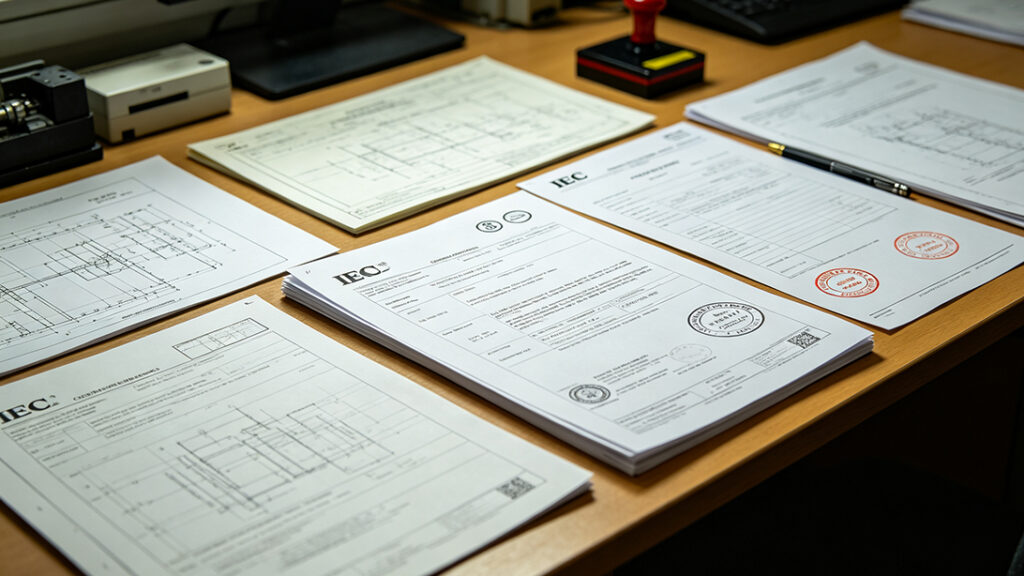
Working with EPC projects, certification must be prepared in advance. Saudi Arabia has strict requirements for equipment access, and without SASO CoC (Certificate of Conformity), customs clearance cannot be completed.
Our approach was to first prepare an IEC standard type test report issued by a third-party laboratory, then submit the report to a certification body recognized by the Saudi Standards, Metrology and Quality Organization (SASO) and proceed with the CoC application process.
The overall process was approximately as follows:
Week 1:
Preparation of technical documents and type test reports.
Week 2-3:
Initial review by the certification body. Several issues were raised — mainly that the nameplate parameter labeling method did not comply with requirements, and an oil test report was missing. We completed the additional documents and resubmitted them.
Week 4-5:
The certification body completed the second review and approved the application, issuing a draft CoC certificate.
Week 6:
The official CoC certificate was issued. At the same time, we prepared additional customs clearance documents, including the authorization letter, commercial invoice, and original stamped packing list documents.
The entire process took approximately 6 weeks.
If certification is not prepared in advance and the equipment arrives at the port before the certificate is issued, the situation becomes complicated — port storage fees are charged on a daily basis, starting from several hundred US dollars per day.
After the equipment arrived at the port, we sent engineers to Saudi Arabia to provide installation guidance. According to the original schedule, the entire process of packaged substation positioning, cable connection, and commissioning was expected to take 10 working days.
However, there was an unexpected issue.
One of the equipment foundations at the site did not match the drawings. The difference was approximately 5 centimeters, which prevented the packaged substation from being installed properly.
The local construction team’s capabilities varied, and this foundation had been completed by another subcontractor appointed separately by the owner. We only discovered the problem after arriving at the site.
Fortunately, the base frame of the packaged substation was designed with an I-beam steel structure, allowing for on-site adjustment.
The project engineer coordinated with the construction team for two days. They redrilled the anchor bolt holes and adjusted the installation height using steel plates, successfully resolving the issue.
The delay was limited to two days.
The EPC contractor’s project manager told us that for future projects, the foundation drawings should be reviewed with us in advance:
“Both sides had responsibility for this issue. We will pay more attention next time.”
This incident taught me an important lesson:
In an EPC project, completing the equipment manufacturing correctly is only half of the job. There are many uncertainties at the project site. The best thing a supplier can do is to design equipment with sufficient tolerance and ensure there is room for adjustment when unexpected deviations occur.
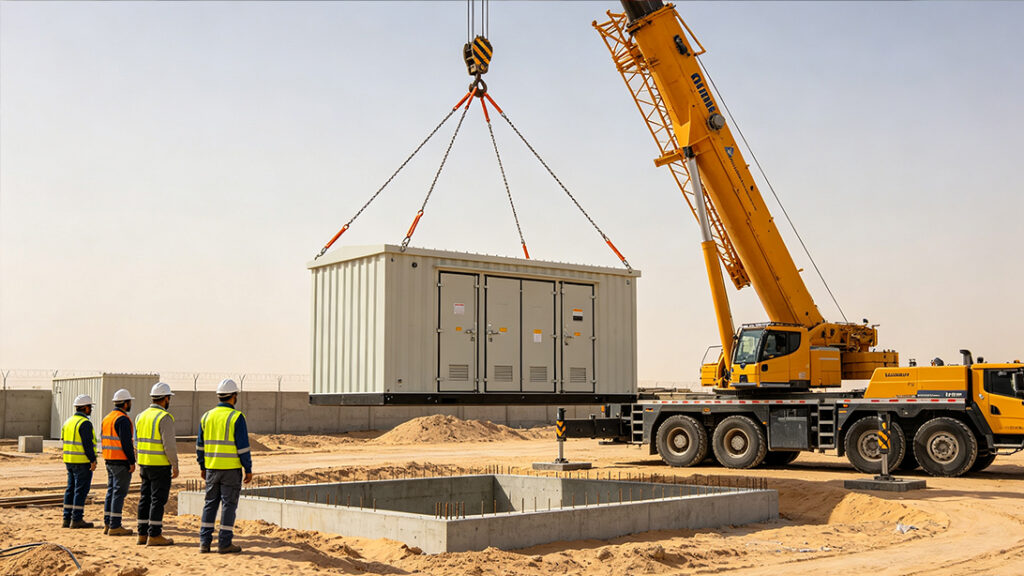
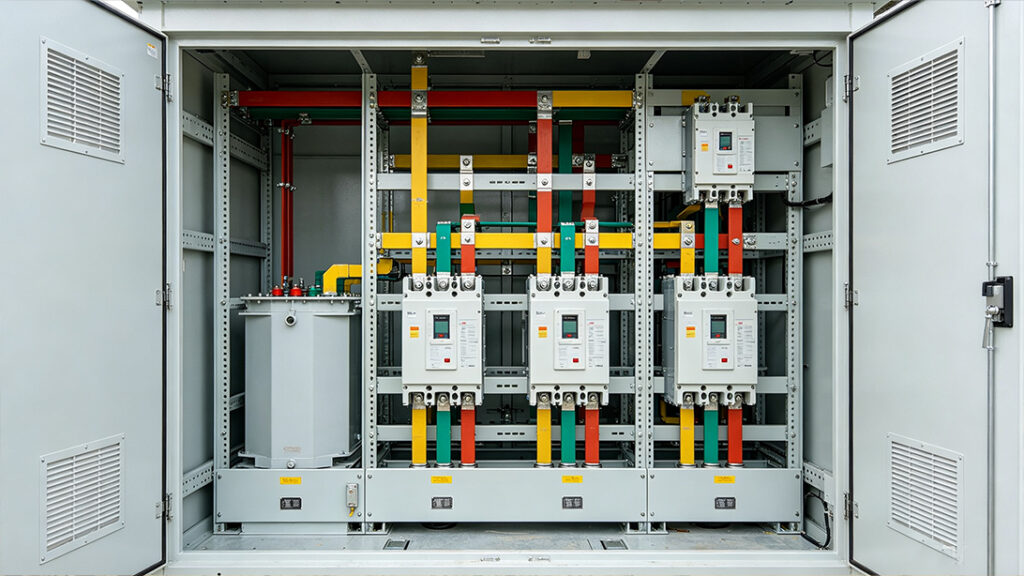
The project has been in operation for approximately more than six months. During this period, we had two phone calls with the customer’s project manager to understand the actual operating conditions.
Several key performance indicators are as follows:
Under normal operating conditions, the transformer oil temperature is 3-4°C lower than the temperature calculated during the original design stage.
This shows that the temperature rise margin design was sufficient, and the optimized cooling channel design has achieved the expected results.
The current actual load rate is around 70%, and it is expected to increase to above 85% within the next year.
The customer previously asked us how long the equipment could withstand overload operation. Based on our test data, we provided the following information:
120% load can operate continuously for 3 hours without exceeding temperature limits.
The customer was quite satisfied with this performance indicator.
The low-voltage side voltage has remained between 380-405V (rated voltage: 400V), which is considered a good performance under Saudi grid conditions.
The customer mentioned that equipment used in another project section had experienced voltage fluctuations of 7-8V, and the voltage dropped to around 370V when the load increased. They were not satisfied with that performance.
According to customer feedback, there have been no unplanned shutdowns or equipment failures during more than six months of operation.
During this period, the local area experienced a sandstorm combined with thunderstorm weather, causing a temporary power outage of approximately 40 minutes. After power was restored, the equipment completed self-checking successfully and resumed normal operation.
The customer specifically mentioned this point and said:
“No unexpected problems happened.”
After discussing so much above, here are a few final points:
EPC customers look at total cost — equipment price, transportation, certification, installation support, after-sales service, and all other factors.
Only when the cost calculation is clear and transparent will customers truly trust you.
Middle East EPC contractors are most afraid of supplier delays.
If you promise 16 weeks, then deliver within 16 weeks.
Prepare material procurement, production scheduling, and logistics plans in advance. A one-week delay penalty could potentially consume the entire project profit.
Do not wait until a customer sends an inquiry before starting the SASO certification process.
Prepare CoC certification for standard models beforehand. When customers come, showing the certificate directly is far more convincing than making promises.
No matter how good the equipment is, if it cannot be installed properly on site, the value is lost.
Before sending engineers to Saudi Arabia, we always confirm the capability level of the local construction team:
Clarifying responsibilities in advance saves time and avoids unnecessary disputes on site.
We have supplied power distribution equipment projects in Saudi Arabia and the UAE, mainly cooperating with Chinese EPC contractors.
If required, we can arrange visits to operational project sites or provide project contacts for customer reference and consultation.
The standard warranty period for the complete equipment is 2 years.
Key components, including:
have a warranty period of 5 years.
During the warranty period, for failures caused by non-human factors, we undertake repair costs.
We also maintain spare parts inventory in the Middle East region, with commonly used spare parts available locally.
The delivery period starts from the date when we receive:
Typical delivery times:
For Saudi projects, delivery is normally based on CFR terms. Customs clearance is handled by the customer or their designated customs agent, and we provide complete customs clearance documentation.
High-temperature configurations are included as standard options and do not require additional charges.
These include:
For special requirements, such as:
additional costs will be calculated separately.
Yes.
Some EPC customers or local distributors require their own branding, which is handled through an OEM cooperation model.
The following requirements need to be confirmed in advance:
The internal testing and third-party certification processes remain unchanged. Only the factory nameplate and external markings are replaced.
Yes.
They need to provide:
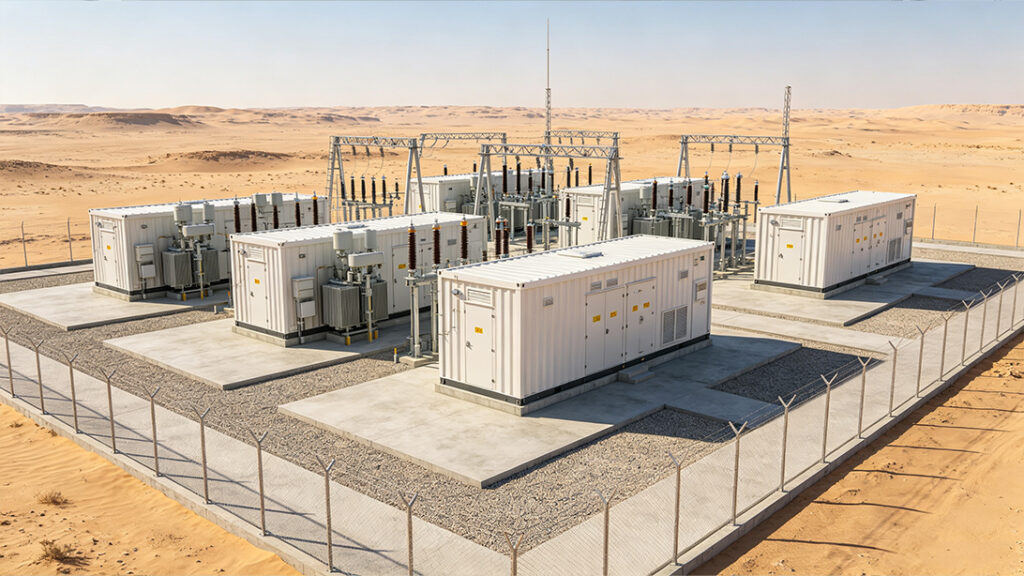
Doing business in the Middle East EPC market is not easy, but it is also full of opportunities and challenges.
Every time we visit Saudi Arabia, we encounter new situations, new requirements, and new people. Equipment itself is fixed, but people and projects are constantly changing. Whether a project can be delivered smoothly depends on how well we cooperate with the EPC contractor, how effectively we handle on-site situations, and how we maintain delivery commitments under pressure.
The project described in this article is only a small part of our Middle East business experience. We hope it can provide some useful reference for companies already working in the Middle East market or those planning to enter this region.
We have extensive experience delivering projects in the Middle East market and can customize solutions according to project-specific:Climate conditions、Grid requirements、Load characteristics
Our products cover:Oil-immersed transformers、Substation transformers、Packaged transformers、Pole-mounted transformers、Dry-type transformers、Other power distribution equipment
The company owns 22 utility model patents and 3 software copyrights, and has successfully passed ISO9001 and ICE audits.
please feel free to contact us directly.
We can provide an initial solution within 24 hours, including:
If you have any questions or would like to discuss power distribution equipment selection for Middle East projects, please feel free to contact us.
Zisheng Electric — Middle East EPC power distribution equipment. We understand because we have delivered real projects.
Factory-Direct Transformer Supply for Global EPC Projects For an EPC contractor, choosing a transformer supplier is rarely just about line items on a datasheet. The manufacturer standing behind the equipment has a direct bearing on how smoothly de...
View details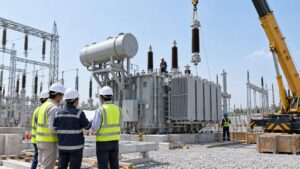
Build a transformer site assembly supervision plan covering site release, bushings, radiators, oil filling, hold points and EPC handover records.
View details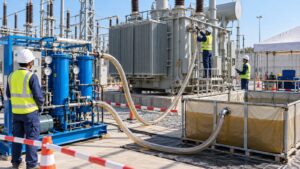
Plan transformer oil filling for EPC projects with controlled vacuum, compatibility checks, sampling, leak inspection and documented handover before energization.
View details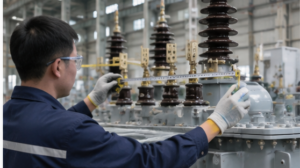
Coordinate transformer cable termination and busduct interfaces correctly in EPC projects. Review terminal coordinates, cable bending radius, support, busduct alignment, tolerances, civil interfaces and FAT dimensional checks.
View details