 zishengelectric





news
News Center
Providing high-quality power to the world
Search productSearch post
news
Providing high-quality power to the world
Zisheng Electric approaches transformer warranty handover as a controlled transfer of technical responsibility, not a folder issued after energization. A warranty clause can define dates and remedies, but the project team still needs a baseline condition, complete records, clear notification channels and an agreed method for separating equipment defects from installation, protection, loading or site-operation issues.
For EPC contractors and project owners, this handover closes several interfaces at once: procurement, factory inspection, transport, installation, commissioning, operations and after-sales support. If those records are fragmented, a future alarm or oil leak can become a debate about scope before anyone starts technical diagnosis.
The warranty handover boundary should identify what equipment is included, when the warranty period starts, which contractual conditions apply and who is authorized to submit a notice. It should also state the operating and maintenance obligations that preserve coverage. The commercial contract governs the legal position; the engineering handover provides the evidence needed to apply it.
Do not assume mechanical completion, energization, provisional acceptance and taking-over are the same event. Record the actual milestone used by the contract. If transformers are stored for months before installation, define preservation duties, storage inspections and any extension or reinspection requirements.

Every handover package should tie records to the correct transformer serial number and accessory list. This includes bushings, tap changer, cooling-control panel, temperature devices, marshalling box, gas or pressure devices, monitoring system and loose-shipped items. Where a component has its own serial number, record it.
Nameplate photographs and final general arrangement drawings are useful, but they do not replace an approved asset register. A commissioning report filed against the wrong unit can weaken the baseline just when it is most needed.
| Handover element | Required evidence | Engineering purpose | Risk if missing |
|---|---|---|---|
| Contract milestone | Taking-over or acceptance certificate and effective date | Establishes the applicable period | Dispute over notification timing |
| Equipment identity | Serial numbers, nameplates and accessory register | Links every record to the supplied unit | Wrong report used during diagnosis |
| Factory baseline | Approved drawings, routine-test reports and deviations | Confirms the manufactured configuration | Site condition cannot be compared with release condition |
| Transport and receipt | Impact records, inspection photographs and shortage list | Separates delivery damage from later events | Damage origin remains uncertain |
| Installation quality | Assembly, oil work, torque, earthing and cable records | Confirms site work followed approved instructions | Installation issue is misclassified as equipment defect |
| Commissioning baseline | Electrical tests, alarm proving and energization data | Shows initial site condition | No reliable comparison after an alarm |
| Operating limits | Loading, cooling, temperature and tap restrictions | Gives operators actionable boundaries | Operation outside the design basis |
| Notification route | Named contacts, required data and escalation times | Starts diagnosis with complete information | Delay caused by incomplete messages |
| Critical spares | Inventory, storage requirements and release authority | Supports fast restoration | Long outage while parts are identified |
The baseline is a chain, not one test report. Factory records establish electrical characteristics and the approved configuration. Transport records show whether the unit experienced abnormal impact, tilt, moisture exposure or accessory damage. Installation records confirm assembly, oil handling, internal inspection where specified, torque values, earthing and cable interfaces. Commissioning records demonstrate the condition immediately before and after energization.
At minimum, retain the approved datasheet, nameplate schedule, general arrangement, terminal and bushing drawings, wiring diagrams, protection interfaces, routine-test reports, agreed special-test reports, packing list, transport impact record, receipt inspection, oil or insulation-fluid records where applicable, site-test results and energization log. Deviations and concessions must remain visible rather than buried in email.
Use the existing transformer site acceptance test checklist to organize site evidence and the transformer foundation interface review to confirm the civil and installation boundary.
A technically useful transformer warranty handover records the first stable operating condition. Capture load current by phase, system voltage, tap position, oil and winding temperature indications, cooling stage, ambient temperature, alarm status and any online-monitoring baseline required by the project. For parallel units, record load sharing and circulating-current observations.
One snapshot is not a performance guarantee. Its purpose is to establish context. If a later temperature concern arises, engineers need to know whether load, ambient condition, cooling availability or tap position changed. If a protection operation occurs, relay event files and disturbance records should be preserved before settings or wiring are altered.
The first response to an abnormal condition should make the equipment safe and preserve data. Photograph the indication, record date and time, note loading and weather, download relay and monitoring records, and identify any recent switching or maintenance. Do not reset alarms repeatedly, drain oil, dismantle devices or change protection settings unless the approved safety and escalation process requires it.
Fast support depends on neutral technical classification. A reported “transformer trip” might originate from an internal fault, external cable fault, protection setting, CT polarity error, auxiliary-supply loss, fan-control failure, surge event or process overload. The initial report should describe observed facts rather than asserting a cause.
A practical triage sequence asks four questions. First, is the equipment safe and isolated? Second, what protection, alarm or physical indication initiated the response? Third, what changed immediately before the event? Fourth, what records are available for comparison with the baseline?

For temperature alarms, provide load, ambient temperature, fan status, indicated top-oil and winding temperatures, sensor resistance or transmitter output where relevant, and recent trends. For gas or pressure operation, preserve device status and follow the approved sampling and inspection process. For oil leakage, identify the exact location, leakage rate, oil level, temperature and any recent mechanical work.
Scattered messages slow diagnosis. Use one notification form that includes project, site, transformer serial number, commissioning date, operating hours, event time, load, tap position, ambient condition, alarm or trip indication, protection records, photographs, actions already taken and site contact. Attach the relevant drawing revision.
Define who can communicate technical instructions to the site. An EPC contractor, owner, operator and local service company may all be involved, but conflicting directions create risk. The escalation matrix should distinguish safety authority, operational authority, contract notice and manufacturer technical support.
A warranty does not place every component immediately at site. Review spares according to transformer criticality, installed redundancy, transport time and component lead time. Commissioning consumables, routine-maintenance items and strategic spares serve different purposes and should not be mixed.
For oil-immersed transformers, the list may include specified gaskets, instrument contacts, fans or fan motors, breather materials, gauges, relays or tap-changer maintenance parts according to the approved design. The correct list depends on the actual accessory schedule. See the verified transformer spare-parts handover guide.

Record storage temperature, humidity limits, packaging, shelf-life items and inspection frequency. A spare bushing, gasket set or electronic module that is incorrectly stored may not be serviceable when needed. Assign custody and require controlled release so parts do not disappear into general warehouse stock.
Remote support is effective when the site can provide reliable measurements, photographs and event records. The handover should list the minimum tools, file formats, communication channel and language contacts. For complex events, define the conditions that justify a site visit and the prerequisites before travel, such as safe access, isolation, lifting arrangements or oil-processing equipment.
Zisheng Electric’s verified technical support and after-sales service page explains the general support interface. Project-specific response, attendance, parts and commercial terms must still be stated in the contract.
Training should use the supplied transformer’s drawings and accessories. Cover normal indications, cooling control, tap-changing restrictions, alarm meaning, sampling points, routine inspection, oil-level interpretation, earthing links, marshalling-box heaters and safe reporting. Generic transformer theory is useful, but it does not tell an operator how this unit is configured.
Attendance sheets alone are weak evidence. Retain the training agenda, material revision, questions raised and unresolved actions. If the owner’s staff changes before taking-over, plan a repeat or recorded session subject to site policy.
Hypothetical example only: For a two-transformer industrial substation, the EPC close-out package identifies each serial number, the contractual warranty start date, approved datasheets, factory routine tests, shipment impact records, installation checklists, oil records, site-test results, energization readings, relay files, final settings, accessory manuals, training records, spare-parts inventory and the authorized escalation contacts. The owner signs receipt only after open actions have owners and target dates.
This example does not describe a real Zisheng Electric project and must be adapted to the governing contract, transformer type and site procedures.
Before releasing the package, confirm all drawings are as-built, all test records match the serial number, deviations are closed or formally accepted, alarms and communications have been proven, operating limits are visible, spare parts are inventoried and contact details are current. Check that digital files open without proprietary access problems and that the owner receives both editable registers and controlled PDFs where required.
The warranty register should remain live after handover. Log notices, technical responses, agreed actions, parts movement and closure evidence. This prevents repeated diagnosis and preserves lessons for the second unit or future projects.
“Documents submitted” is not the same as “handover complete.” Define acceptance checks for file naming, revision status, serial-number traceability, signatures, language, searchable text and access permissions. Test that the owner can retrieve the correct routine-test report, wiring diagram and alarm schedule without relying on one individual’s email archive.
Open items need a controlled route. Each punch item should have a technical description, risk classification, responsible party, target date and evidence required for closure. If an item remains open at taking-over, record whether it affects safe operation, warranty administration or only final documentation. This keeps commercial close-out from hiding an engineering dependency.
Finally, schedule a post-energization review after the transformer has operated under representative load. Compare temperatures, cooling stages, alarms, leaks, noise observations and load sharing with the initial baseline. The review does not replace routine maintenance; it verifies that the handover assumptions remain valid after the first operating period.
A complete transformer warranty handover connects contractual dates with engineering evidence and a workable support route. Zisheng Electric can review the handover scope for oil-immersed transformer packages, substation equipment and EPC supply interfaces. Relevant verified resources include the oil-immersed transformer category, custom engineering solutions and EPC project supply.
Send the approved drawings, datasheets, load list, technical specification, single-line diagram, grid parameters, environmental conditions, installation records, commissioning results, warranty clauses and site-access requirements. “Our engineering team will review the requirements and respond to project inquiries within 24 hours.”
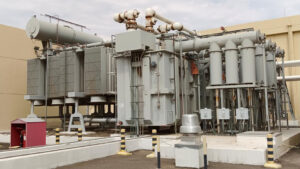
Full-cycle EPC transformer service covering design freeze, manufacturing, FAT, overseas logistics, on-site installation and commissioning for Middle East and Africa power projects.
View details
Coordinate the transformer GIS interface across terminal geometry, cable route, insulation, protection, grounding, installation and integrated testing. An EPC decision matrix identifies drawing owners, freeze dates and handover evidence.
View details
Control transformer design changes across EPC drawings, electrical studies, physical interfaces, manufacturing and acceptance. Define owners, evidence and release gates.
View details
Learn how EPC teams can freeze transformer ratings, utility interfaces, protection data and FAT requirements before manufacturing to prevent late rework and delivery delays.
View details