 zishengelectric






Project Partners
Phone/WhatsApp: 8619131285373
Email: info@zishengtransformer.com
Factory Headquarters: No. 118, Jingyi Street, Economic Development Zone.
Search productSearch post
Project Partners
Phone/WhatsApp: 8619131285373
Email: info@zishengtransformer.com
Factory Headquarters: No. 118, Jingyi Street, Economic Development Zone.
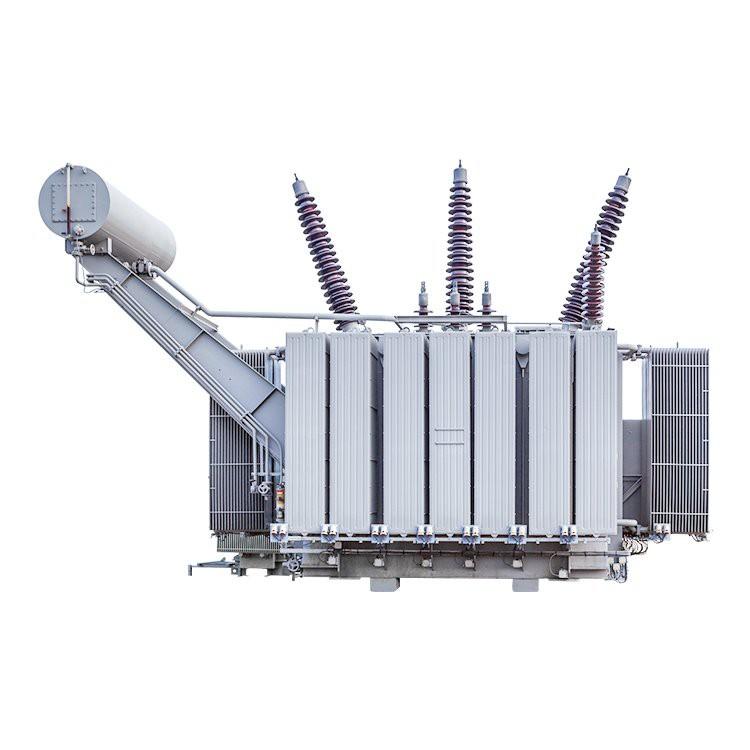
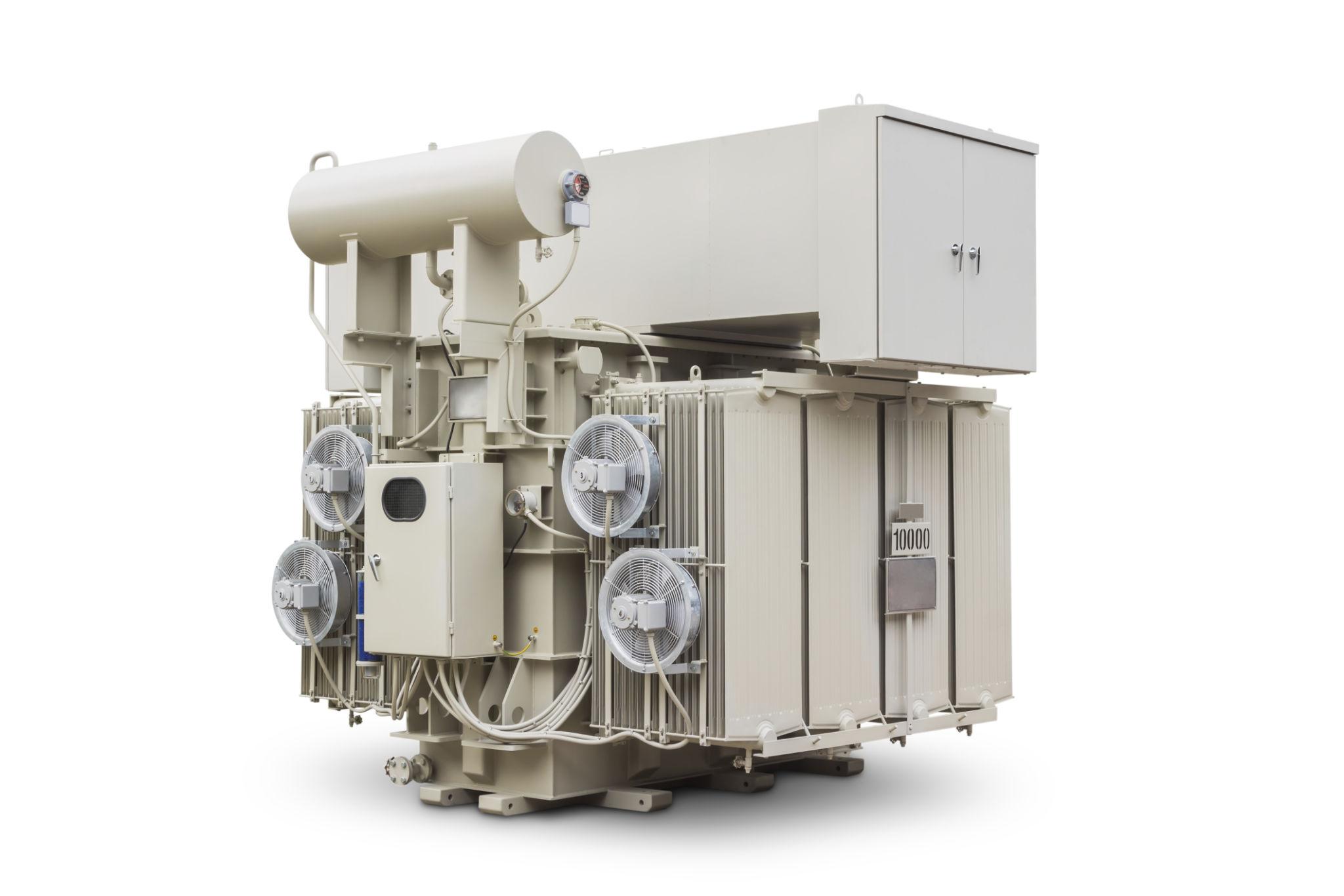
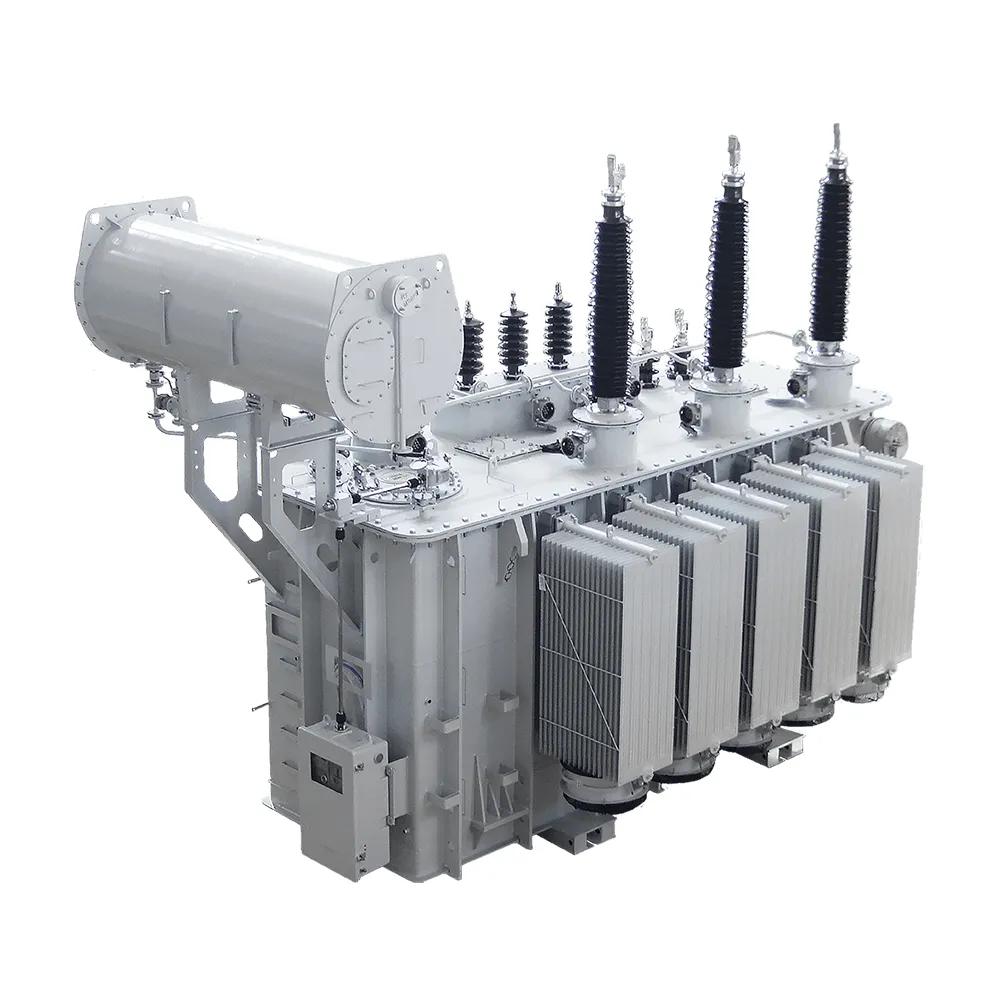
The 220kV / 230kV Power Transformer is a high-voltage oil-immersed transformer engineered for utility substations, transmission networks, power plants, renewable energy projects, and large industrial power systems. It is designed to provide reliable voltage transformation, efficient power transmission, and stable long-term operation under demanding grid conditions.
The transformer features an optimized magnetic circuit, reinforced winding structure, high-performance insulation system, and reliable cooling configuration to ensure electrical, mechanical, and thermal stability during continuous operation. Depending on project requirements, it can be equipped with an On-Load Tap Changer (OLTC) for precise voltage regulation and flexible grid operation.
Each transformer can be customized according to the required rated capacity, voltage ratio, frequency, impedance voltage, vector group, tap range, insulation level, cooling method, neutral configuration, and applicable international standards.
For large-scale substation and EPC projects, Zisheng provides project-oriented transformer solutions covering technical design, manufacturing, factory testing, export preparation, and delivery. Optional monitoring and protection systems can also be integrated to support reliable operation and condition monitoring throughout the transformer’s service life.
The 220kV / 230kV Power Transformer is suitable for high-voltage substations, transmission and distribution networks, power generation facilities, solar and wind power plants, mining projects, and large industrial electrical systems where high reliability, efficiency, and long service life are essential.
| Parameter | Technical Specification |
|---|---|
| Product Type | Three-Phase Oil-Immersed Power Transformer |
| Application | Transmission Substation / Grid Substation / Power Plant / Industrial Project / Renewable Energy |
| Rated Voltage Class | 220kV / 230kV |
| Rated Capacity | Customized, typically according to project requirements |
| Phase | Three Phase |
| Rated Frequency | 50Hz / 60Hz |
| High Voltage | 220kV / 230kV |
| Medium Voltage | Customized |
| Low Voltage | Customized |
| Voltage Ratio | Customized according to grid requirements |
| Rated Current | Calculated according to rated capacity and voltage |
| Connection Group | Dyn11 / YNd11 / YNyn0 / Other customized |
| Neutral Point | Neutral grounded / Customized |
| Tap Changer | OLTC / Off-Circuit Tap Changer |
| Tap Range | Customized, commonly ±8 × 1.25% or according to project requirements |
| Tap Positions | Customized |
| Tap Changer Location | HV / MV winding, according to design |
| Cooling Method | ONAN / ONAF / OFAF / ODAF |
| Insulating Medium | Mineral Transformer Oil / Approved Insulating Fluid |
| Core Material | High-Quality Grain-Oriented Silicon Steel |
| Winding Conductor | High-Quality Copper / Aluminum |
| Winding Type | Disc / Helical / Layer Winding according to design |
| Insulation System | Oil-Paper Insulation System |
| HV Insulation Level | According to IEC / IEEE / GB requirements |
| Lightning Impulse Withstand | According to specified insulation level |
| Power-Frequency Withstand | According to applicable standard |
| Partial Discharge | According to applicable project requirements |
| Impedance Voltage | Customized according to system requirements |
| No-Load Loss | Optimized according to rated capacity and efficiency requirements |
| Load Loss | Optimized according to project specification |
| No-Load Current | According to design and applicable standard |
| Temperature Rise | According to applicable IEC / IEEE / GB requirements |
| Oil Temperature Rise | According to specified design requirements |
| Winding Temperature Rise | According to specified design requirements |
| Enclosure | Outdoor Weather-Resistant Tank |
| Tank Structure | Sealed / Conservator Type |
| Transformer Oil Tank | Main Tank with Radiators |
| Conservator | Optional / Project Specific |
| Cooling Radiator | Detachable / Fixed, according to design |
| Bushing | Porcelain / Composite / Condenser Bushing |
| Buchholz Relay | Optional / According to transformer configuration |
| Pressure Relief Device | Standard protection configuration |
| Oil Level Indicator | Provided according to design |
| Oil Temperature Indicator | Optional / Standard according to specification |
| Winding Temperature Indicator | Optional / Standard according to specification |
| Online Monitoring | Optional |
| DGA Monitoring | Optional Online Dissolved Gas Analysis |
| Bushing Monitoring | Optional |
| OLTC Monitoring | Optional |
| Installation | Outdoor / Indoor according to project |
| Altitude | Customized according to installation site |
| Ambient Temperature | According to installation environment |
| Applicable Standard | IEC / IEEE / GB / Customer Specification |
| Factory Testing | Routine Tests / Type Tests / Special Tests as Required |
| FAT | Available according to EPC / Utility Inspection Plan |
| Service Life | Designed for long-term grid operation |
The transformer can be engineered for different high-voltage grid configurations, including:
For an EPC or utility quotation, the customer should ideally provide:
Rated Capacity + HV Voltage + MV/LV Voltage + Frequency + Vector Group + Impedance + Tap Range + Cooling Method + Insulation Level + Applicable Standard + Installation Conditions
This allows the transformer to be engineered according to the actual grid code, substation design and project technical specification, rather than using a generic standard configuration.
The 220kV / 230kV Power Transformer can be customized according to the project's grid conditions, electrical requirements, installation environment, applicable standards, and EPC technical specifications.
Transformer capacity can be customized according to the required power load and substation configuration.
Available designs can cover different capacity requirements for:
The high-voltage, medium-voltage, and low-voltage sides can be configured according to the customer's grid requirements.
Typical configurations include:
An On-Load Tap Changer (OLTC) can be configured for projects requiring automatic or flexible voltage regulation.
Customization options include:
The transformer connection group can be selected according to the power system design.
Options may include:
Neutral configuration, neutral grounding, and neutral insulation can also be designed according to system requirements.
The cooling system can be selected according to transformer capacity, load profile, ambient temperature, and installation conditions.
Available configurations may include:
Radiators, cooling fans, oil pumps, control systems, and automatic cooling control can be customized accordingly.
The insulation system can be designed according to the required voltage class and project insulation coordination.
Customization may include:
The transformer can be engineered according to the project's electrical performance requirements.
Customized parameters may include:
The design can be optimized to achieve the required balance between efficiency, short-circuit performance, dimensions, and project cost.
The main tank and transformer mechanical structure can be customized according to transportation, installation, and site conditions.
Options include:
High-voltage and low-voltage connection arrangements can be customized according to the substation layout.
Options may include:
For critical transmission and industrial projects, additional protection and monitoring systems can be integrated.
Optional equipment includes:
The transformer can be customized for different installation environments.
Design considerations may include:
Additional anti-corrosion protection and environmental adaptations can be provided when required.
The transformer can be manufactured according to the applicable international or national standards specified by the customer.
Common standards include:
The transformer package can be configured with accessories and control systems according to the project scope.
Optional configurations include:
For large EPC and utility projects, Zisheng can develop the transformer according to the customer's complete technical specification.
The customization process can cover:
Technical Specification Review → Electrical Design → Mechanical Design → Drawing Approval → Manufacturing → Factory Testing → FAT → Packing → Transportation
Customers can provide their rated capacity, voltage ratio, frequency, vector group, impedance, tap range, insulation level, cooling method, installation conditions, applicable standards, and project technical specification for customized transformer design.
The 220kV / 230kV Power Transformer is prepared for international transportation according to its size, weight, configuration, transportation method, destination, and project requirements. Zisheng provides project-oriented packing and shipping solutions to help protect the transformer and its accessories throughout transportation, handling, storage, and site delivery.
Before shipment, the transformer is inspected and prepared according to the agreed packing and transportation plan.
The packing solution may include:
The packing method is selected according to the actual transformer structure and transportation requirements.
Large 220kV / 230kV transformers can be transported according to project logistics conditions.
Depending on transformer size and destination, transportation may involve:
For oversized transformers, transportation dimensions and weight can be reviewed in advance to support route planning and handling arrangements.
For large transformers, the transportation configuration can be customized according to shipping regulations, transportation distance, and project requirements.
Depending on the approved transportation plan, the transformer may be shipped:
The final configuration is determined according to the transformer design and transportation requirements.
Transformer accessories can be packed separately to improve transportation safety and simplify site installation.
Typical separately packed components may include:
Each package can be identified according to the project packing list.
Special attention is given to moisture and corrosion protection during long-distance transportation and overseas shipment.
Protection measures may include:
Additional protection can be applied for high-humidity, coastal, tropical, desert, or long-duration transportation environments.
Large transformers require specialized lifting and handling equipment.
The shipment can be provided with clear markings for:
This information helps EPC contractors and logistics teams safely handle the equipment at the project site.
Depending on the transformer dimensions and shipping weight, an appropriate transportation method can be selected.
Possible solutions include:
The final shipping method is determined after reviewing the transformer dimensions, weight, destination port, and local transportation conditions.
The shipment can be supplied with project and export documentation required for international delivery.
Typical documents include:
Additional documentation can be provided according to the EPC contract or customer's requirements.
Before dispatch, the transformer undergoes final inspection to verify its condition, configuration, accessories, markings, and packing status.
Customer representatives, EPC contractors, consultants, or third-party inspection agencies can participate in the Factory Acceptance Test (FAT) when required.
Zisheng supports international transformer projects from factory preparation through shipment and site delivery.
The typical process includes:
Final Inspection → Factory Testing → Packing → Loading → Port Transportation → Ocean Freight → Destination Port → Inland Transportation → Site Delivery
For large EPC and utility projects, the packing and transportation plan can be coordinated with the customer's project schedule and site requirements.
For each 220kV / 230kV transformer project, the shipping plan can be developed according to:
This project-oriented approach helps ensure safe, efficient, and well-coordinated delivery of high-voltage transformers to international project sites.
Each 220kV / 230kV Power Transformer undergoes a comprehensive manufacturing inspection and testing program before shipment. Testing is performed according to the agreed technical specification, applicable standards, and project-specific inspection requirements.
The testing process is designed to verify the transformer's electrical performance, insulation system, mechanical integrity, thermal performance, protection devices, and overall manufacturing quality before delivery.
Quality control begins during the manufacturing process and continues through final assembly.
Inspection activities may include:
Critical manufacturing processes are controlled according to the approved production and quality-control procedures.
Routine tests are performed on each transformer according to the applicable standard and approved project specification.
Typical tests include:
Winding Resistance Test
Verifies the resistance of each winding and helps identify abnormal connections, winding conditions, or contact problems.
Voltage Ratio Test
Checks the transformer voltage ratio at the required tap positions.
Vector Group / Phase Displacement Test
Confirms the phase relationship and transformer connection group.
No-Load Loss & No-Load Current Test
Measures core losses and no-load current under specified conditions.
Load Loss & Short-Circuit Impedance Test
Verifies load losses and impedance characteristics against the specified design values.
High-voltage transformers require comprehensive insulation verification.
Testing may include:
The insulation test program is selected according to the transformer's voltage class and applicable project requirements.
For transformers equipped with an On-Load Tap Changer (OLTC), the tap-changing system is inspected and tested before shipment.
Testing may include:
This helps ensure reliable voltage regulation during transformer operation.
The cooling system is inspected to ensure proper operation of the transformer under the specified operating conditions.
Inspection may include:
For projects requiring additional verification, temperature-rise or other type tests can be performed according to the approved test plan.
The transformer tank and oil system are inspected for mechanical integrity and sealing performance.
Inspection may include:
Vacuum treatment and oil processing can be performed according to the transformer design and project requirements.
Transformer protection and monitoring equipment is checked before delivery.
Depending on the configuration, testing may include:
For high-voltage transformer projects where specified, partial discharge testing can be performed to evaluate the quality of the internal insulation system.
The test helps identify potential localized insulation defects and provides additional verification of high-voltage insulation performance.
For EPC, utility, and large industrial projects, a Factory Acceptance Test (FAT) can be arranged according to the approved Inspection and Test Plan (ITP).
Customer representatives, EPC contractors, consultants, or authorized third-party inspection agencies may participate in the factory inspection and testing process.
The FAT program can include:
Additional type or special tests can be provided when required by the customer, utility, EPC contractor, or applicable standard.
Depending on the project, these may include:
The final testing scope is determined according to the transformer design and contractual technical requirements.
After testing, the relevant quality and test documentation can be provided as part of the project documentation package.
Typical documents include:
Before the transformer leaves the factory, a final inspection is performed to confirm that the equipment is complete and ready for transportation.
The final inspection may cover:
Transformer Body → Bushings → Radiators → OLTC → Protection Devices → Control Cabinet → Accessories → Labels → Packing → Shipping Documents
Only after completion of the required inspection and testing procedures is the transformer released for shipment.
Zisheng applies a design-controlled, manufacturing-controlled, and testing-controlled approach to 220kV / 230kV transformer production.
From component inspection and winding assembly to high-voltage testing and final factory acceptance, each stage is managed according to the applicable IEC, IEEE, GB, and project-specific requirements, helping provide reliable transformer equipment for demanding transmission, utility, EPC, industrial, and renewable energy projects.
Every 220kV / 230kV Power Transformer undergoes routine testing before shipment to verify its electrical performance, insulation condition, connection configuration, and manufacturing quality.
Routine tests are performed on each completed transformer according to the applicable IEC, IEEE, GB standards and approved project technical specifications.
The resistance of each transformer winding is measured to verify the condition and integrity of the winding circuit.
The test helps identify:
Measurements are evaluated against the approved design and test requirements.
The transformation ratio is measured for the required winding combinations and tap positions.
This test verifies:
For transformers equipped with an OLTC, the required tap positions are tested according to the approved test procedure.
The phase displacement and transformer connection group are verified to ensure that the transformer matches the specified power-system configuration.
The test confirms:
The transformer is energized under no-load conditions to measure core-related performance.
The test verifies:
The measured results are compared with the specified guaranteed values.
The transformer impedance and load losses are measured under specified test conditions.
This test verifies:
These parameters are important for system fault-current calculations, voltage regulation, and overall transformer efficiency.
The applied voltage test is performed to verify the insulation strength between the winding under test and earth-connected parts.
The test provides verification of the transformer's main insulation system under the specified power-frequency test voltage.
The induced voltage test is performed to verify the insulation between turns, layers, sections, and winding phases.
The test helps confirm the integrity of the internal insulation system under the specified induced-voltage conditions.
The insulation system is checked according to the transformer design and applicable testing requirements.
Depending on the project specification, verification may include:
For transformers equipped with an On-Load Tap Changer, the tap-changing mechanism and associated control circuits are checked before shipment.
Routine inspection may include:
The transformer tank, flanges, valves, radiators, and other oil-containing components are inspected for proper sealing.
The inspection helps verify:
The transformer protection and auxiliary systems are checked according to the approved configuration.
Depending on the transformer design, inspection may include:
All routine test results are recorded and evaluated against the approved technical requirements.
The final test documentation can include:
Any deviation identified during testing is reviewed and resolved before shipment.
For large EPC, utility, renewable energy, and industrial projects, the routine testing program can be incorporated into the project's approved Inspection and Test Plan (ITP).
Customers or authorized inspection representatives may review the testing procedure and witness selected tests according to the contractual inspection requirements.
The typical routine testing process follows:
Final Assembly → Visual Inspection → Winding Resistance → Voltage Ratio & Vector Group → No-Load Loss & Current → Load Loss & Impedance → Applied Voltage → Induced Voltage → Auxiliary & Protection Checks → Final Inspection → Test Report
Routine testing provides the final electrical and functional verification of each 220kV / 230kV Power Transformer before factory release.
Through systematic testing and documented quality control, Zisheng helps ensure that every transformer meets the agreed electrical performance, insulation, safety, and project-specific technical requirements before delivery.
The 220kV / 230kV Power Transformer is designed for high-voltage power transmission, grid interconnection, and large-scale electrical infrastructure projects. It provides reliable voltage transformation for utility, generation, renewable energy, industrial, and infrastructure applications.
Used in 220kV and 230kV transmission substations to transform high-voltage power between transmission networks and regional power systems.
Typical applications include:
Suitable for large power generation facilities requiring reliable high-voltage connection to the transmission grid.
Applications include:
Used for high-voltage transformation and grid connection in utility-scale photovoltaic projects.
The transformer can be customized according to:
Suitable for large wind farms requiring high-voltage transformation and connection to transmission networks.
Customized solutions can accommodate different:
The transformer can serve dedicated high-voltage substations for industries with substantial electrical loads.
Typical applications include:
220kV / 230kV transformers are suitable for large mining operations requiring stable and reliable power for processing plants, heavy equipment, pumping systems, and auxiliary facilities.
The design can be adapted for demanding environments such as:
The transformer can be used to connect new generation facilities, renewable energy projects, industrial loads, or regional networks to existing high-voltage transmission systems.
It supports:
The transformer can replace aging equipment or increase the capacity of an existing substation.
The design can be coordinated with existing:
The 220kV / 230kV Power Transformer is suitable for EPC contractors, utilities, power developers, engineering consultants, and electrical contractors requiring customized high-voltage equipment.
Project support can cover:
Technical Design → Manufacturing → Factory Testing → FAT → Export Packing → Transportation → Site Delivery
220kV / 230kV Power Transformer
Transmission | Substation | Power Generation | Solar | Wind | Mining | Industrial | Grid Interconnection
The transformer is engineered according to the project's capacity, voltage level, load characteristics, insulation requirements, environmental conditions, applicable standards, and technical specifications, making it suitable for demanding high-voltage power infrastructure projects.
A 220kV power transformer is a high-voltage transformer primarily used in transmission substations and large power systems to transform electrical voltage between transmission and distribution levels.
The main difference is the rated high-voltage level and the corresponding insulation, bushing, clearances, and system design requirements. The final configuration should match the local grid voltage and applicable standard.
Yes. An on-load tap changer (OLTC) can be configured when voltage regulation is required during transformer operation.
Yes. The HV/LV voltage ratio can be customized according to the customer's grid connection and substation requirements.
Capacity is project-dependent. 220kV/230kV transformers are commonly designed for large transmission and substation applications, with the final MVA rating determined by the load and grid requirements.
Depending on the transformer capacity and thermal requirements, cooling configurations can include ONAN, ONAF, OFAF, and ODAF.
Yes. Optional monitoring systems can include temperature, oil level, dissolved gas, bushing, partial discharge, OLTC, and other condition-monitoring functions.
The transformer can be designed and tested according to applicable IEC, IEEE, GB, or other project-specific standards, subject to technical review.
Yes. The product can be configured for EPC contractors, utilities, substations, power plants, renewable energy projects, and large industrial power systems.
Yes. Factory acceptance testing and related documentation can be arranged according to the project inspection plan and contractual requirements.
220kV 230kV Power Transformer