 zishengelectric





news
News Center
Providing high-quality power to the world
Search productSearch post
news
Providing high-quality power to the world
Reliable Transformer Supply for Renewable Energy, Industrial, Utility, and Infrastructure Projects
For EPC contractors, the decision of which transformer manufacturer to work with can shape how the entire project unfolds.
A transformer is just one part of a power system, but its performance touches commissioning schedules, day-to-day reliability, maintenance planning, and the long-term behavior of the facility it serves.
In many international projects, what an EPC company really needs goes beyond a manufacturer who can build equipment to a specification sheet. They need a technical partner who can handle engineering back-and-forth, deliver accurate documentation, complete proper testing, and get the equipment to site on time.
During execution, it’s common to run into:
Picking the right manufacturer early can help an EPC contractor reduce project risk and avoid delays that are hard to recover from later.
Zisheng Electric is a transformer manufacturer in China, focused on customized transformer solutions for global EPC projects — oil-immersed transformers, dry-type transformers, distribution transformers, and medium-voltage equipment. Our experience covers renewable energy, industrial plants, utility networks, and infrastructure applications. The focus is on delivering reliable equipment together with the technical input that keeps a project moving.
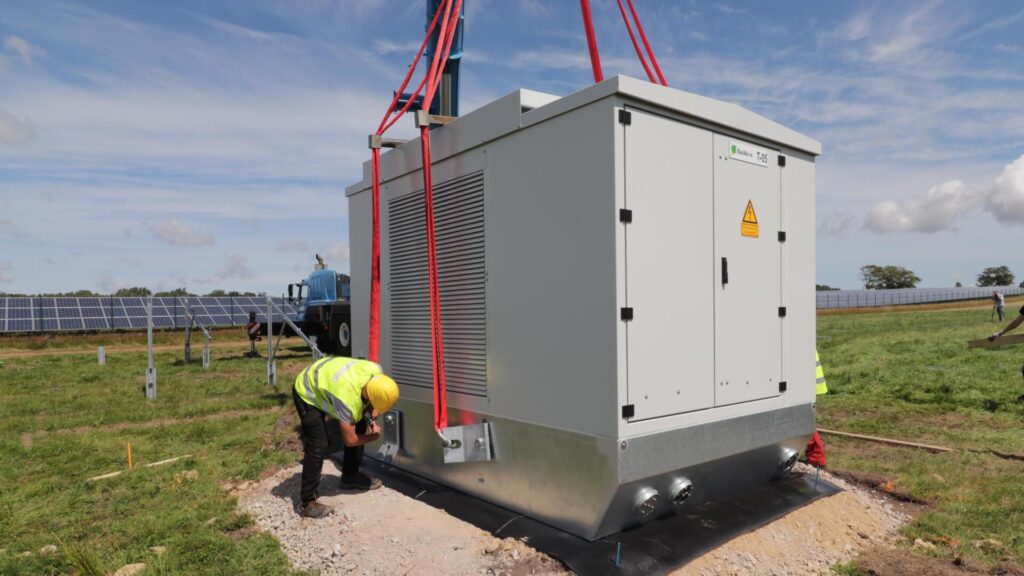
Why EPC Contractors Need a Reliable Transformer Manufacturer
Transformer Quality Directly Affects Project Performance
Power transformers are built for the long haul. In most applications, they’re expected to run for decades under varying loads and environmental conditions.
A transformer that isn’t designed or built properly can create problems that only surface after installation:
For an EPC contractor, these aren’t just technical issues — they affect project profitability and the relationship with the project owner.
A dependable transformer supplier needs to bring more than manufacturing capacity. They need to be able to handle:
At Zisheng Electric, we stay involved from the early engineering stage to make sure the transformer solution matches what the project actually needs — not just what’s easy to build.
Technical Input Before Transformer Production Starts
A lot of transformer-related problems can be avoided before manufacturing ever begins.
Before production kicks off, engineers need to lock down key parameters:
For EPC projects, the transformer specification has to work within the complete electrical system — not in isolation.
A transformer headed for a solar plant, for instance, often faces different design considerations than one going into a mining operation or a factory. The engineering team at Zisheng Electric reviews project requirements carefully before production, going through technical documents, drawings, customer specifications, and actual application conditions. That early communication helps avoid design changes mid-production and keeps the project moving efficiently.
Transformer Solutions for Different EPC Applications
Renewable Energy Projects
Solar PV projects need transformers that can handle the reality of variable generation. Throughout a typical day, solar transformers see conditions that shift with weather, solar radiation, generation levels, and grid connection demands.
For utility-scale solar farms and commercial solar projects, the selection conversation usually revolves around:
Zisheng Electric supplies transformer solutions for solar PV applications, working with EPC contractors on designs that match the project’s voltage levels, capacity requirements, and site conditions.
Wind and energy storage projects often place transformers in demanding environments where reliable operation isn’t optional.
These applications can involve variable power output, outdoor exposure, continuous duty, and strict grid interconnection requirements. Transformer performance depends on solid insulation systems, efficient cooling, and stable voltage conversion.
For wind farms and BESS projects, Zisheng Electric provides customized transformer solutions designed for long-term operation and consistent energy transmission.
Industrial Transformer Applications
Industrial environments don’t give electrical equipment an easy ride. Mining sites, chemical plants, steel mills, and manufacturing facilities typically need transformers that can take on heavy loads, run continuously, and hold up under tough conditions.
A transformer failure in an industrial setting doesn’t just trip a breaker — it can stop production and rack up significant financial losses.
For these applications, transformer design has to account for:
Zisheng Electric provides industrial transformer solutions built for demanding applications where reliability is tied directly to operational results.
Utility and Infrastructure Transformer Projects
Utilities and infrastructure developers look for transformers that meet strict technical requirements and deliver stable performance year after year. Typical applications cover utility substations, distribution networks, commercial buildings, data centers, and public infrastructure.
Depending on the project, transformers can be manufactured to IEC, ANSI, IEEE, or customer-specific specifications. For EPC contractors handling large-scale infrastructure work, the transformer supplier needs to provide not just equipment but complete technical documentation and consistent engineering communication.
Inside the Transformer Factory: Manufacturing Capability and Quality Control
A reliable transformer starts with controlled manufacturing. At Zisheng Electric, each production stage is managed with attention to material quality, manufacturing accuracy, and electrical performance.
Factory Overview
Zisheng Electric operates its own transformer manufacturing facility with the following key data:
| Factory Metric | Detail |
|---|---|
| Total facility area | Over 15,000 m² |
| Annual transformer production capacity | 8,000+ units |
| Manufacturing workforce | 200+ skilled workers and engineers |
| Engineering and technical staff | 35+ design and quality engineers |
| Voltage range capability | Up to 35 kV class |
| Capacity range | 30 kVA to 10,000 kVA |
| Export regions served | 20+ countries across Asia, Africa, the Middle East, and Central Asia |
Having manufacturing under our own roof — rather than coordinating between external workshops — gives us direct control over production schedules, quality consistency, and technical modifications when project needs shift.
Transformer Core Manufacturing
The core is one of the key components that determines efficiency and energy losses. We use high-grade grain-oriented silicon steel for core manufacturing, with thickness typically ranging from 0.23 mm to 0.30 mm depending on the transformer specification. Lower core losses translate directly into reduced operating costs over the equipment’s service life.
During manufacturing, electrical steel materials are inspected upon arrival, silicon steel sheets are precisely cut and stacked, core assembly dimensions are tightly controlled, and quality checks are performed at each step. A properly built core helps keep no-load losses within the limits specified by IEC 60076 or the applicable project standard.
Transformer Coil Winding
The winding process directly shapes insulation performance and mechanical strength. Our winding workshop operates multiple horizontal and vertical winding machines capable of handling both round and rectangular conductor profiles.
During production, technicians control conductor arrangement, insulation layer thickness, winding dimensions, and overall mechanical stability. For oil-immersed transformers, winding structures are designed to withstand the mechanical stresses that occur during short-circuit conditions — a requirement that IEC 60076 explicitly addresses.
Tank Assembly and Final Production
For oil-immersed transformers, the tank structure provides mechanical protection and oil sealing integrity. Our tank fabrication workshop handles cutting, bending, welding, and assembly of transformer tanks up to the largest ratings in our production range.
After welding, tanks undergo leak testing before surface treatment and painting. The standard painting process includes shot blasting, primer application, and finish coating suitable for outdoor exposure. Final assembly brings together the active part, tank, radiators or cooling system, bushings, and all specified accessories before the unit moves to the testing area.
Factory Acceptance Testing (FAT): Verifying Transformer Quality Before Shipment
For EPC projects, Factory Acceptance Testing isn’t a checkbox exercise — it’s a real stage where the equipment proves it meets the approved specifications before leaving the factory.
At Zisheng Electric, transformer testing follows project requirements and applicable standards. Our in-house testing facility includes stations for both routine and type testing.
Electrical Performance Tests
Typical routine tests performed on every transformer include:
Mechanical and Documentation Inspection
Before shipment, each transformer is also checked for overall dimensions, nameplate accuracy, accessory completeness, painting quality, and documentation readiness — including technical drawings and test reports. Complete test documentation helps EPC contractors with installation, commissioning, and final project acceptance down the line.
FAT can be witnessed by the customer, the project consultant, or a third-party inspector. We coordinate the FAT schedule with the project team and prepare all necessary documentation accordingly.
Transformer Project Execution Process
A smooth transformer project depends on coordination between engineering, manufacturing, testing, and logistics teams.
Step 1: Technical Requirement Review
Project specifications, drawings, and technical requirements are reviewed in detail. Our engineers typically respond to technical queries within 48 hours.
Step 2: Engineering Design
Engineers prepare the transformer design according to actual project conditions — voltage levels, cooling method, protection configuration, and site environment.
Step 3: Drawing Approval
Technical drawings and datasheets are submitted for customer confirmation before production starts. Production does not begin until drawings are approved.
Step 4: Transformer Manufacturing
Production proceeds with quality control at each manufacturing stage. Typical lead time for standard distribution transformers is 30–45 days after drawing approval.
Step 5: Factory Acceptance Testing
Complete testing is performed and documented before shipment.
Step 6: Export Packing and Global Delivery
Transformers are packed in seaworthy wooden crates or steel frames according to the shipping method and destination. Logistics coordination covers sea freight, land transport, and container loading as required.
Customized Transformer Solutions for EPC Projects
Different projects need different transformer configurations. Zisheng Electric provides customized options across the following areas:
| Item | Available Options |
|---|---|
| Power Rating | 30 kVA – 10,000 kVA |
| Voltage Class | LV / MV up to 35 kV |
| Frequency | 50Hz / 60Hz |
| Standards | IEC 60076 / ANSI C57 / IEEE |
| Cooling | ONAN / ONAF / OFAF |
| Tap Changer | OLTC / NLTC |
| Installation | Indoor / Outdoor |
| Protection | Customized |
| Accessories | Project Based |
Whether the project involves renewable energy, industrial facilities, or utility infrastructure, transformer solutions can be adapted to the technical requirements at hand.
Project Experience: Real EPC Projects Supported by Zisheng Electric
The following project examples represent actual work completed or underway. Specific customer names and project locations can be discussed in direct communication.
Case 1: Solar PV Plant — Southeast Asia
A utility-scale solar PV project required multiple distribution transformers for the plant’s medium-voltage collection system. The project site was located in a tropical region with high ambient temperatures and humidity throughout the year.
Project scope:
What we did:
The engineering team reviewed the project’s voltage profile and load characteristics before finalizing the design. Because the transformers would operate under high ambient temperature, cooling calculations were adjusted accordingly. We submitted general arrangement drawings and technical datasheets for consultant approval, completed manufacturing within 45 days after drawing approval, and arranged factory testing witnessed by the EPC contractor’s representative. All 12 units were delivered in two batches to match the installation sequence.
Result:
Transformers passed site commissioning without issues. The equipment has been in operation for over two years with stable performance and no reported failures.
Case 2: Industrial Manufacturing Plant — Middle East
An industrial facility expansion involved adding new production lines, requiring additional transformer capacity integrated with the existing plant electrical system.
Project scope:
What we did:
The indoor installation meant limited space and ventilation needed to be factored into the design. We worked with the EPC contractor to confirm enclosure dimensions, cable entry positions, and cooling clearance requirements before manufacturing. Partial discharge levels were specified below the standard limits, so winding processes and insulation materials were selected accordingly. FAT was witnessed by the end user’s engineering team, and all test reports were provided as part of the final documentation package.
Result:
Transformers were installed and commissioned within the planned shutdown window. The equipment has been running under typical industrial load conditions without performance issues.
Case 3: Rural Electrification — East Africa
A government-backed distribution network project involved supplying transformers for multiple rural substations across a wide geographic area.
Project scope:
What we did:
This project required consistent quality across a batch of 45 transformers delivered to multiple sites. Production was organized to maintain uniform materials, processes, and testing across all units. Each transformer was issued with its own routine test report. Export packing was designed for containerized sea freight followed by road transport to remote locations. Delivery was completed in three shipments over four months.
Result:
All units arrived without transport damage. Site acceptance testing confirmed compliance with project specifications. The transformers have been in service supporting rural distribution networks.
Case 4: Wind Farm Step-Up Transformers — Central Asia
A wind power project required pad-mounted step-up transformers for connection between wind turbine generators and the site medium-voltage collection grid.
Project scope:
What we did:
The wide temperature range required careful selection of insulating oil, gaskets, and sealing materials. Cold-start performance at -30°C was verified during the design review. The compact pad-mounted configuration was adapted to fit within the space available at each turbine base. Type testing was arranged at an accredited laboratory as required by the project specification.
Result:
Transformers were delivered according to the wind farm construction schedule. Cold-weather commissioning was completed without issues, and the units have operated through multiple seasonal cycles.
Frequently Asked Questions
What types of transformers does Zisheng Electric manufacture?
Zisheng Electric manufactures oil-immersed transformers, dry-type transformers, distribution transformers, and customized transformer solutions covering a capacity range from 30 kVA to 10,000 kVA, voltage class up to 35 kV.
Can you manufacture transformers according to EPC specifications?
Yes. Transformer capacity, voltage ratio, cooling method, protection configuration, accessories, and technical requirements can be customized to customer specifications.
What standards can your transformers meet?
Transformers can be manufactured to IEC 60076, ANSI/IEEE C57, and customer-specific project requirements. Our engineering team is familiar with both IEC and IEEE standards.
Do you provide FAT reports and technical documents?
Yes. Complete test reports and technical documents are provided according to project requirements. FAT can be witnessed by customer representatives or third-party inspectors.
What is your typical delivery time?
For standard distribution transformers, production lead time is typically 30–45 days after drawing approval. Larger or highly customized units may require longer lead times, which are confirmed during the technical review stage.
How do you handle export logistics?
Transformers are packed in seaworthy wooden crates or steel frames according to the shipping method. We coordinate with freight forwarders for sea freight, land transport, and container loading according to project delivery schedules.
Partner With Zisheng Electric for Your Next Transformer Project
Selecting the right transformer manufacturer is an important step in project reliability and successful commissioning. With focused engineering input, controlled manufacturing processes, thorough quality inspection, and global delivery experience, Zisheng Electric provides transformer solutions that EPC contractors can depend on.
From renewable energy to industrial facilities and utility applications, we help customers build power systems with transformer equipment designed for long-term performance.
Contact Zisheng Electric today to discuss your transformer requirements and project needs.
Why Tropical-Ready Design Determines Project Reliability A transformer failure in a Vietnamese coastal industrial park or a Thai solar farm is never just a component issue. Production halts. Revenue slides. The unplanned maintenance costs no proje...
View details
Build a transformer site assembly supervision plan covering site release, bushings, radiators, oil filling, hold points and EPC handover records.
View details
Power infrastructure across Saudi Arabia, the UAE, Qatar, and Oman operates under conditions that would quickly derate or destroy standard electrical equipment. In these environments, transformer failure is rarely a manufacturing defect—it is almo...
View details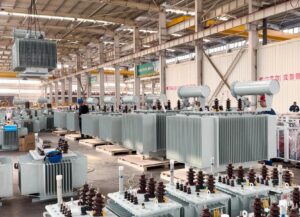
Engineered Transformer Systems That Match Your Project Specifications A power system is only as strong as its weakest link. With over 15 years of manufacturing experience and transformers operating in more than 40 countries, we've seen how the rig...
View details