 zishengelectric





news
News Center
Providing high-quality power to the world
Search productSearch post
news
Providing high-quality power to the world
Zisheng Electric uses an EPC transformer document register to connect engineering approvals, manufacturing hold points, site interfaces and final handover. It is more than a spreadsheet of filenames. A useful register identifies what must be submitted, who reviews it, which equipment tag it applies to, the current revision, the approval code and the downstream work that depends on that document.
Without this control, procurement teams may believe documentation is complete while construction is using an obsolete general arrangement, protection engineers are waiting for final CT data and the manufacturer is building against comments that were never formally incorporated. The risk appears late as rework, missed witness points, shipping holds or an incomplete operating manual. This guide gives EPC contractors and project owners a practical structure for controlling transformer submittals from purchase order to turnover.
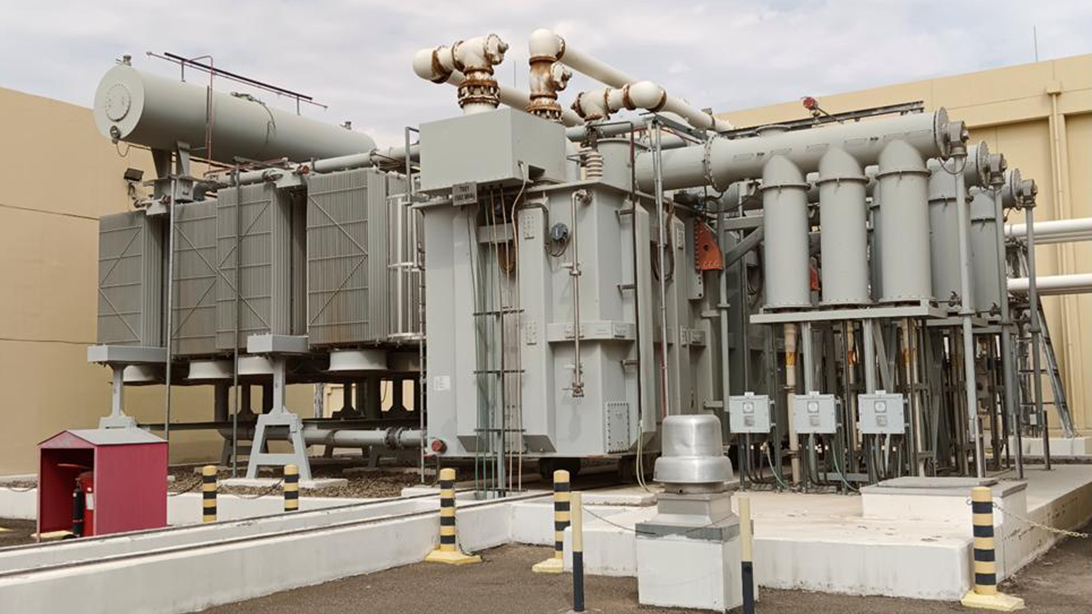
Start with the contractual vendor data requirements list, project document-control procedure and approved equipment list. Assign a unique document number, title, discipline, document type, transformer tag, supplier reference, planned submission date and required approval status. Where one drawing covers several identical units, record that relationship; where accessories differ, separate the tags.
The register should distinguish documents submitted for information, review, approval, construction, manufacturing, FAT, shipping and final record. These purposes are not interchangeable. A preliminary outline drawing may support civil planning, but it must not be mistaken for an approved construction drawing. Similarly, a FAT report does not replace the approved test procedure that defined the witness activity.
| Register field | Engineering purpose | Risk if missing | Control check |
|---|---|---|---|
| Project document number | Connects supplier data to the EPC system | Untraceable reviews and duplicate records | Apply numbering rule before first submission |
| Equipment tag(s) | Defines the physical asset covered | Wrong drawing used for a similar transformer | Match equipment list and nameplate schedule |
| Revision and status | Shows the current approved purpose | Construction or manufacture from obsolete data | Maintain superseded-revision history |
| Required and actual dates | Links documents to engineering and production milestones | Hidden schedule delay | Use realistic review and resubmission durations |
| Comment-response reference | Proves closure of reviewer comments | Comments lost between revisions | Cross-reference every response sheet |
| Final handover format | Defines native, PDF and signed-record requirements | Files cannot be maintained after turnover | Check format, naming and index before closeout |
The approved transformer datasheet, guaranteed technical particulars, deviation schedule, single-line diagram, loss guarantees, impedance, vector group, insulation levels, cooling duties and noise requirements define the design basis. These documents should be frozen before dependent manufacturing information is released. Any change must identify affected drawings, calculations, test values and delivery dates.
Calculations may include short-circuit withstand, thermal performance, loading, dielectric coordination, sound, foundation loads or seismic qualification where contractually required. The register should not claim a calculation or certificate that the project did not specify. Instead, list the actual deliverables and mark non-applicable items with an approved reason.
General arrangement drawings, terminal plans, bushing data, cable boxes, busduct interfaces, marshalling-cabinet layouts, auxiliary schematics, CT schedules, alarm/trip lists and communication data drive work in other disciplines. Add an interface owner and required-by date. A drawing can be technically correct yet too late for civil, cable or protection design.
For each interface, state the reference input. Foundation loads should reference the final transformer operating and transport configuration. Cable termination drawings should reference cable size, quantity, bending radius and gland arrangement. CT data should match the protection study and relay requirements. This creates a chain that can be audited when a change occurs.

Every project has its own status codes, but their meaning must be explicit. Typical concepts include approved, approved with comments, revise and resubmit, rejected, and information only. The document-control procedure should state whether “approved with comments” permits manufacture and which comments must be incorporated before the next issue.
Do not reduce complex review status to a green cell. Record the transmittal number, review return date, reviewer, approval code and comment-response reference. If multiple parties review a document—owner, engineer and utility—the register should show each required response or a single consolidated authority. Manufacturing release must be issued by the party named in the contract.
When comments conflict, stop the affected work and escalate through the technical query or deviation process. The supplier should not choose the preferred comment silently. Record the decision, authorized approver and revision in which it was incorporated.
Add planned dates based on real dependencies: design input receipt, first submission, review duration, resubmission, approval, material release, active-part completion, tanking, routine tests, FAT and dispatch. A simple due date without predecessor logic hides the impact of late owner data. The vendor schedule and document register should be reviewed together.
Identify hold points that cannot be passed without approved documents. Examples may include winding release after datasheet approval, tank fabrication after GA and interface approval, control-panel wiring after schematic approval, and FAT after procedure acceptance. Project-specific inspection requirements control; do not invent a witness status after work has occurred.
Late changes are sometimes unavoidable, but they must be visible. A revised cable entry can affect terminal boxes, GA dimensions, foundation openings and packing. A CT-ratio change can affect protection settings, wiring and FAT secondary-injection sheets. The register should flag related deliverables and prevent only one drawing from being updated.
Use a change-impact note or technical query to state the reason, affected tags, documents, cost, schedule and tests. After approval, update the register baseline and withdraw superseded files from shared folders. Email approval without controlled document reissue is not an adequate final record.
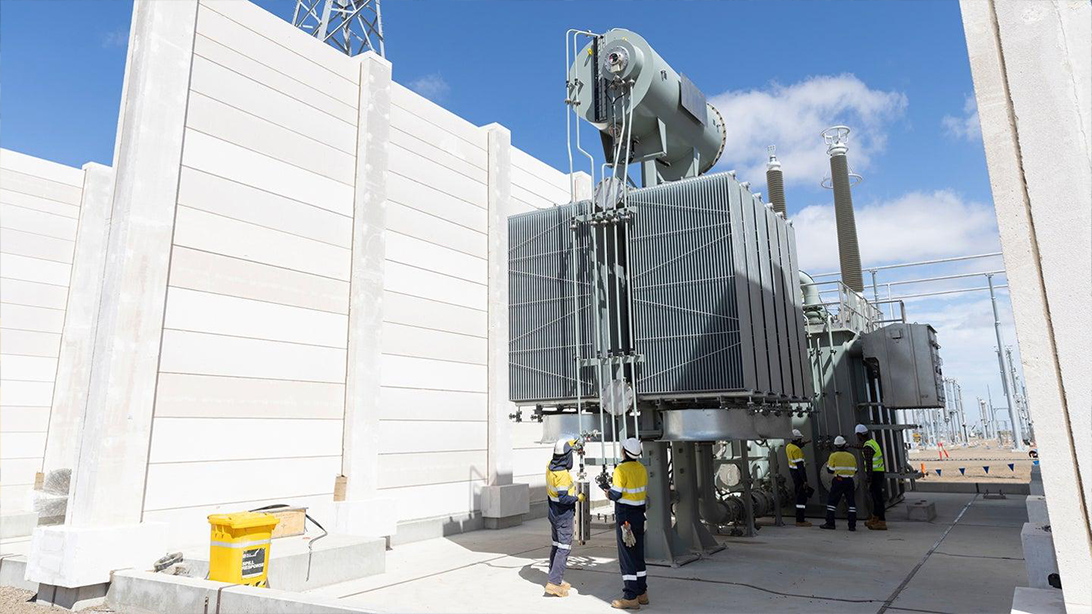
Before FAT, the register should show the approved inspection and test plan, test procedures, calibration certificates, approved datasheet, drawings required for witness, deviation status and open technical queries. After testing, add signed routine and special test reports, punch-list records, photographs where required and formal release notes.
Do not close the FAT milestone merely because tests finished. Confirm that raw and corrected results are legible, transformer serial and tag numbers match, instrument identifiers are recorded, witness signatures are present and deviations have disposition. Shipping release should be tied to the contractual authority and outstanding-punch policy.
The manufacturing data record should extend into delivery. Packing lists, accessory identification, shipping drawings, preservation instructions, shock-recorder information, lifting plans and storage requirements support receipt. Site assembly then generates inspection sheets, torque records, oil reports, vacuum and filling records, wiring checks and installation redlines.
Commissioning documents may include test procedures, measured results, protection functional checks, alarm/trip verification, SCADA point tests, energization permits and baseline records. Assign responsibility for documents produced by the EPC contractor rather than the manufacturer. The final register can include both while preserving their origin and approval route.
Hypothetical example—not a real project record: Project document number: EPC-EL-TR-DWG-0012. Supplier reference: ZE-GA-017. Title: Main Transformer General Arrangement. Equipment tags: TR-101A/B. Purpose: approval before civil anchor release. Planned first submission: [date]. Required approval: Approved or Approved with comments permitting manufacture. Current revision: B. Status: revise and resubmit. Comment-response sheet: CRS-0012-B. Downstream dependencies: foundation anchors, oil-containment wall, HV busduct coordinates and transport access. Final handover: native CAD plus searchable PDF marked as-built.
The register should connect, rather than duplicate, discipline tools. Zisheng Electric’s transformer protection interface matrix identifies CT, relay, trip and SCADA documents. The transformer foundation interface review defines civil inputs. The site acceptance test checklist organizes pre-energization evidence, while the spare-parts handover guide controls compatibility and custody records.
Related equipment pages include the 133–135 kV three-phase power transformer, 110–115 kV power transformer and 3–10 kV medium-voltage switchgear. Each configured project package requires its own approved document index and interface scope.
A document-control dashboard can show hundreds of submissions while critical engineering decisions remain blocked. Track overdue items by consequence: information needed for foundation release, protection settings, cable procurement, FAT readiness, transport planning and energization should be visible separately from low-impact manuals. Report both the supplier’s late submission and the review team’s overdue response. Otherwise, the register records delay without identifying the party that must act.
Useful indicators include first-pass acceptance, average review cycle, comments open beyond the agreed period, documents returned with conflicting discipline comments, and as-built records still missing near turnover. These indicators are management aids, not contractual acceptance criteria unless the contract makes them so. Review the underlying lines regularly; a single late bushing drawing may matter more than twenty completed catalogues.
At each milestone, export a controlled register snapshot with its revision and date. During handover, map every required deliverable to a final file path and verify a sample by opening the actual file. Check that searchable PDFs are readable, native files use the agreed software version, signed certificates contain all pages, hyperlinks are relative or durable, and revision metadata matches the index. Assign long-term ownership for editable drawings, test records and operating manuals. A properly closed register gives the owner a defensible configuration baseline; it also lets the EPC team explain which information was approved for manufacture, which changed at site and which record governs future maintenance.

Before turnover, reconcile the EPC transformer document register against the actual folder structure. Remove duplicates, confirm the latest approved or as-built revision, test hyperlinks, verify filenames and ensure signed records are readable. Open deviations, missing native files and unresolved redlines should remain visible until formally closed; they should not disappear from the index to make completion look better.
Send Zisheng Electric the vendor data requirements list, transformer datasheet, equipment tags, project numbering procedure, interface schedule, inspection and test plan, document templates and required handover formats. Our engineering team will review the requirements and respond to project inquiries within 24 hours.

Specify a transformer oil preservation system for EPC projects, covering conservator sizing, bladder selection, breathers, oil-level alarms, FAT, transport, site assembly and commissioning evidence.
View details
Power infrastructure across Saudi Arabia, the UAE, Qatar, and Oman operates under conditions that would quickly derate or destroy standard electrical equipment. In these environments, transformer failure is rarely a manufacturing defect—it is almo...
View details
A stable electricity supply is essential for infrastructure development, industrial production, and commercial operations. As a core component of power distribution systems, transformers directly influence power reliability, energy efficiency, and...
View details
Oil immersed transformers are used in power transmission and distribution systems where reliable voltage conversion is required. The transformer core and windings are submerged in insulating oil, which provides both electrical insulation and heat ...
View details