 zishengelectric





news
News Center
Providing high-quality power to the world
Search productSearch post
news
Providing high-quality power to the world
A transformer can pass FAT, arrive without visible damage and still deteriorate before installation if the site-storage period is unmanaged. EPC schedules move. Foundations are delayed, cable trenches fill with water, permanent auxiliary power is unavailable and separately packed accessories remain in temporary stores. The equipment may stand for weeks or months while no single party clearly owns preservation.
At Zisheng Electric, we treat a transformer site storage plan as an EPC interface document. It links the manufacturer’s equipment-specific instructions with logistics, construction, quality, commissioning and the owner’s asset records. The plan must state what is being preserved, who checks it, which readings are required, what triggers escalation and what evidence releases the unit for installation.
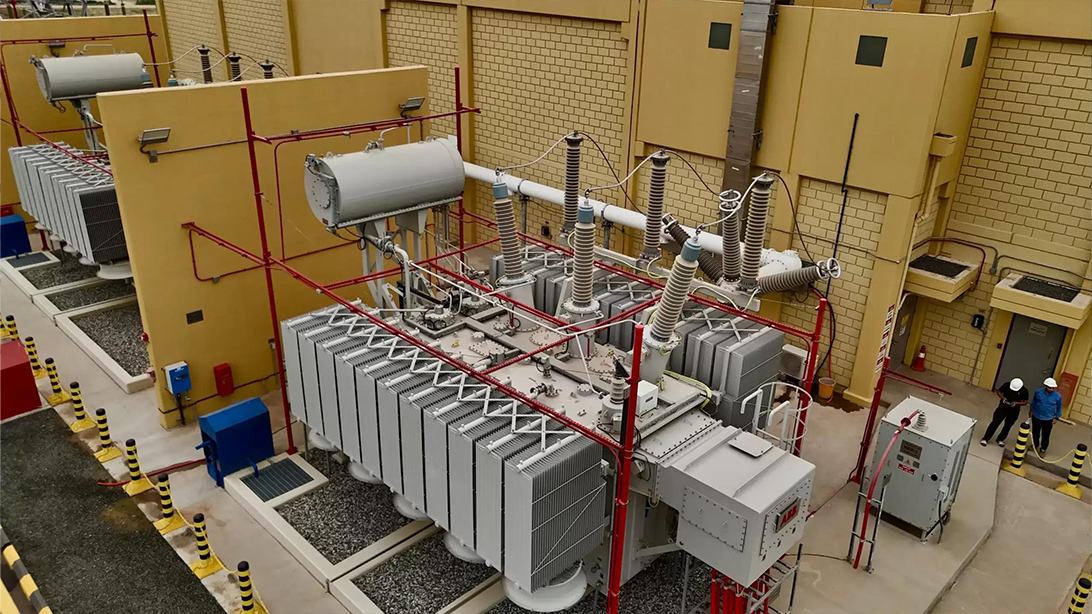
The receiving inspection creates the baseline. Record the transformer tag, serial number, shipment configuration, package numbers and arrival time before covers, restraints or temporary protection are removed. Photograph accessible sides, bushings or transport covers, gauges, valves, marshalling cabinets, impact indicators where specified and separately packed crates.
Visible condition is only part of the record. Confirm whether the main unit arrived oil-filled, partially filled or under an approved dry-gas preservation arrangement. Record the readings and ambient conditions required by the supplied manual. A pressure or oil-level reading without time, temperature and equipment identification is difficult to interpret later.
The transformer transport damage inspection guide explains how to preserve arrival evidence and escalate suspected damage. The storage plan begins after that receipt decision. It should not erase an open transport finding by relabeling the equipment as “stored.”
A large oil-immersed transformer may arrive as a main tank plus radiators, conservator, bushings, fans, pipework, cable boxes, marshalling equipment and loose accessories. A dry-type transformer may arrive inside an enclosure with separate fans, temperature-control equipment or busbar connections. Each package has a different sensitivity to moisture, dust, impact and temperature.
Create a preservation register tied to the packing list. Identify the storage location, packaging condition, manufacturer’s instruction, inspection interval, responsible party and current status for every material group. “Transformer stored at site” is not enough when the bushings are in one warehouse, radiators are outdoors and the control cabinet heater has no supply.
| Stored item or interface | Main risk | Required EPC check |
|---|---|---|
| Main transformer tank | Loss of sealing, moisture ingress, corrosion or unnoticed leakage | Follow the supplied preservation method; record specified gauge or oil-level readings, valve status, external condition and escalation limits. |
| Bushings and sensitive accessories | Crate damage, contamination, incorrect orientation or unidentified parts | Maintain approved packaging and orientation; verify package identity and inspect at the manual’s interval. |
| Radiators, pipework and valves | Open flanges, damaged blanks, internal contamination or paint damage | Check closures, protective covers, identification and drainage; quarantine any item with a compromised seal. |
| Marshalling and control cabinets | Condensation, corrosion, vermin or unavailable heater supply | Confirm sealing, heater or desiccant arrangement, temporary power ownership and periodic functional checks. |
| Insulating oil containers | Water contamination, mixing of batches or loss of traceability | Record batch and container identity, seal condition, storage location and sampling requirements before use. |
| Documents and electronic records | Field team uses a superseded drawing or loses preservation history | Control revisions, inspection records, photographs, deviations and manufacturer correspondence in the project document system. |
There is no safe universal gas pressure, heater setting or inspection interval for every transformer. Tank design, transport configuration, insulating fluid, conservator arrangement, fitted accessories and climate all matter. The manufacturer’s approved instruction for the supplied unit is the acceptance basis.
That point is important because generic checklists often become unofficial specifications. A team may copy a pressure value from another project, add gas without reviewing the actual arrangement or energize heaters from an unverified temporary source. These actions can hide a leak, damage an accessory or create a new safety risk.
The storage plan should identify normal expected indications, recording frequency and escalation thresholds exactly as required by the released manual or approved project procedure. If a reading falls outside that range, preserve the evidence and obtain engineering direction. Do not simply restore the indication and close the record.
An oil-filled unit requires checks of external leakage, oil level where applicable, valve condition and the integrity of fitted or transport closures. A unit shipped under dry gas requires the specified pressure-monitoring and moisture-control method. A loss of pressure may indicate leakage and potential exposure; it is not only a maintenance reading.
Where the active part or internal insulation could have been exposed, the response must be agreed by the responsible engineering authority. The required assessment depends on the duration, ambient conditions, equipment design and available evidence. This article is not an instruction to open, vent, fill or pressurize a transformer.
Marshalling cabinets, drive mechanisms, terminal boxes and dry-type enclosures can collect condensation during construction. Their operating environmental rating does not prove that an unenergized cabinet will remain dry through a long storage period. Panel heaters may need temporary power, but that supply requires its own cable, protection, isolation, labeling and inspection responsibility.
If heaters cannot be energized, use only the alternative preservation method approved for the supplied equipment. Record desiccant installation and replacement where applicable. Keep doors, cable entries and gland plates closed or protected. Temporary openings made for inspection must be restored immediately.
Construction dust creates a different problem. It can block ventilation paths, contaminate insulators and enter cabinets through incomplete cable entries. Position equipment away from grinding, blasting, concrete cutting and uncontrolled washdown. A tarpaulin laid directly on equipment can trap moisture; site protection should follow the manufacturer’s ventilation and covering instructions.
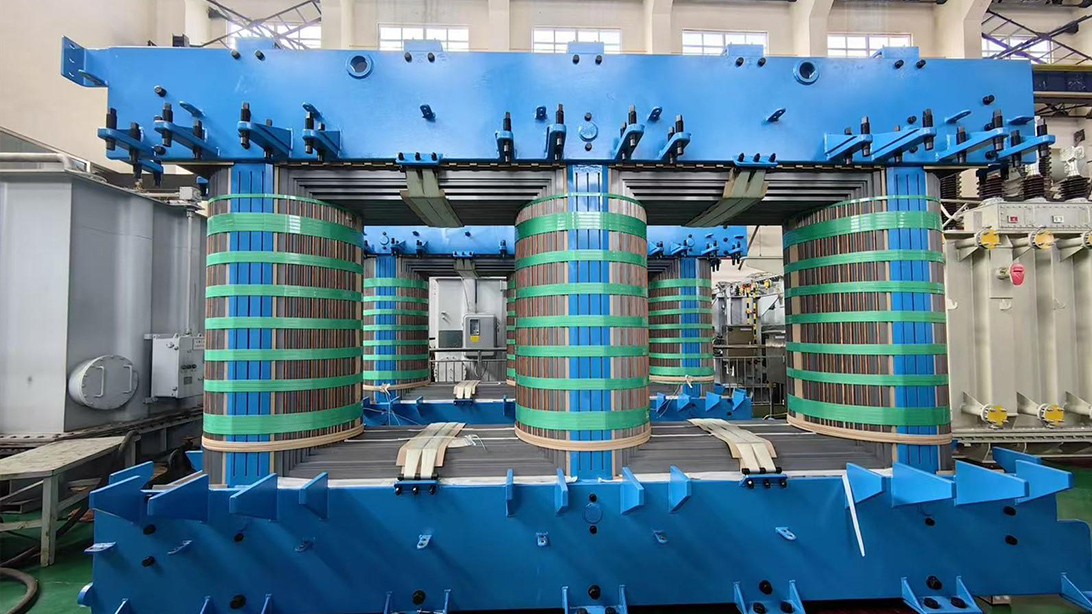
The transformer supplier can provide equipment instructions, but the supplier does not automatically control the site warehouse, temporary power, civil drainage or daily access. The logistics team may own receipt, construction may control the laydown area, quality may witness inspections and commissioning may take custody later. The owner needs one accountable preservation coordinator across those handovers.
A responsibility matrix should state who performs each check, who reviews the record, who can accept a deviation and who contacts the manufacturer. Include weekend and holiday coverage if a critical reading cannot be missed. When custody changes, complete a joint inspection and transfer the open-action list with the equipment.
| EPC interface | Common failure | What must be confirmed |
|---|---|---|
| Logistics → Site quality | Arrival evidence is incomplete before packages are moved | Receipt record, photographs, package reconciliation and transport exceptions are accepted. |
| Construction → Electrical | Storage area floods, becomes dusty or loses controlled access | Drainage, ground bearing, weather protection, security and lifting access remain suitable. |
| Temporary power → Cabinet heaters | Supply is assumed available but trips or is disconnected | Source, voltage, protection, cable route, isolation, alarm and inspection ownership are documented. |
| Supplier → EPC document control | Revised preservation instruction does not reach inspectors | Current revision, equipment tags, distribution list and superseded-document withdrawal are controlled. |
| Quality → Commissioning | Open storage findings disappear at installation release | Preservation history, deviations, corrective actions and outstanding inspections transfer formally. |
A useful record is short enough to complete but precise enough to reveal a trend. Include equipment tag, serial number, location, date and time, weather or ambient condition where relevant, package condition, specified readings, cabinet condition, corrosion or leakage observations, photographs, open actions and inspector identification.
Trend readings instead of filing isolated sheets. A gradual change may be more important than one value that remains inside a nominal range. Keep the instrument identity and units consistent. If a gauge is replaced, record the change rather than continuing the trend as though nothing happened.
The register also needs a missed-inspection rule. Construction access, weather or staffing may prevent a scheduled check, but the blank row must not be backfilled later from memory. Record the missed inspection, assess the preservation gap and decide whether an additional examination is required. This protects the integrity of the record and gives the commissioning team a factual basis for release.
Photographs should show the whole area and the detailed observation. Name files by equipment tag, date and inspection point. Messaging-app pictures without original resolution or context are weak handover evidence. Store the record in the project document system and link deviations to their approved disposition.
Oil staining, damaged packaging, unexpected pressure change, wet crates, corrosion, failed heaters, open cable entries or missing inspection records need a defined response. The first action is to make the area safe and preserve evidence. Do not clean a leak, operate valves, add gas, open a tank or energize equipment merely to see whether the problem disappears.
Record the observation, ambient conditions, equipment state and recent work. Identify whether the issue affects one accessory, one package or the main unit. Notify the responsible EPC engineer and manufacturer through the agreed route. The disposition may call for additional inspection, testing, repair, re-preservation or a change to the installation plan.
Close the action only with objective evidence and named acceptance. A repeated reading, repair photograph or email saying “checked” may be insufficient if the approved procedure requires a test report or engineering concession.
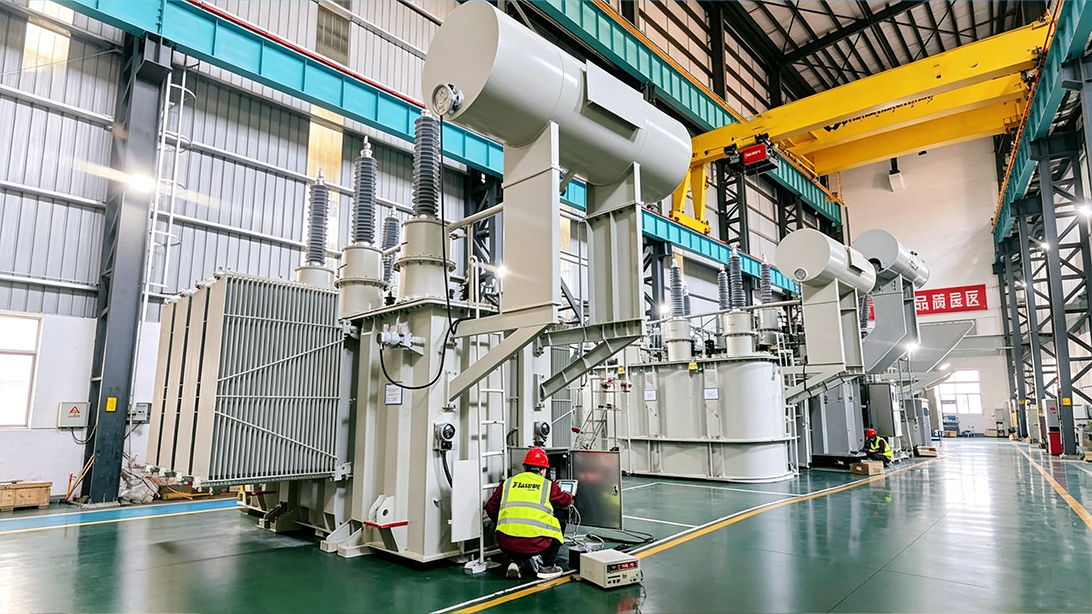
Before installation, reconcile the complete preservation history. Confirm that all required inspections were completed, abnormal findings are closed or formally controlled, separately stored components are identified and the latest drawings and instructions are available. Inspect the route, foundation and lifting plan before moving the equipment.
The next work stage may include accessory assembly, oil work, electrical testing and protection proving. The transformer oil filling procedure for EPC projects explains the controlled interface where site oil work is required. The transformer site acceptance test checklist covers later pre-energization evidence. Storage release should feed those records; it should not be treated as an isolated warehouse signature.
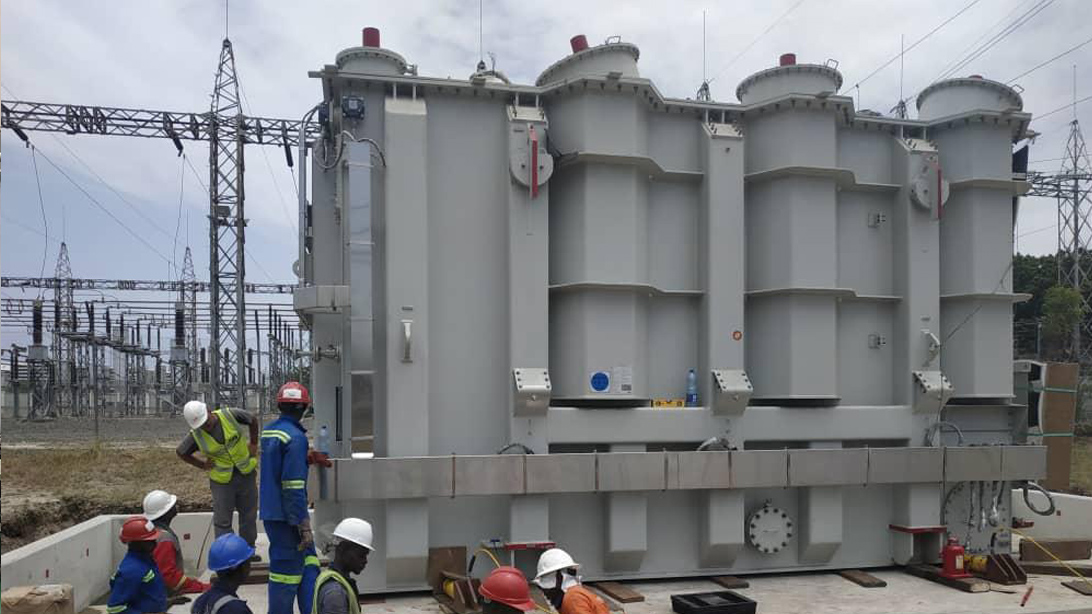
For a transformer site storage plan, send Zisheng Electric the transformer datasheet, approved shipping configuration, packing list, delivery schedule, expected storage duration, site climate, laydown and warehouse arrangements, temporary-power details, installation program and project document requirements. Identify the EPC parties responsible for receipt, preservation, installation and commissioning.
Zisheng Electric can supply oil-immersed transformers, substation transformers and related distribution equipment with project-specific documentation and technical support. The EPC project supply overview provides the wider equipment and service context.
Capacity, voltage level, environmental conditions and technical specifications should be reviewed together with the storage and installation plan. Our engineering team will review the requirements and respond to project inquiries within 24 hours.
Why Tropical-Ready Design Determines Project Reliability A transformer failure in a Vietnamese coastal industrial park or a Thai solar farm is never just a component issue. Production halts. Revenue slides. The unplanned maintenance costs no proje...
View details
Power infrastructure across Saudi Arabia, the UAE, Qatar, and Oman operates under conditions that would quickly derate or destroy standard electrical equipment. In these environments, transformer failure is rarely a manufacturing defect—it is almo...
View details
Define transformer auxiliary power for EPC projects: AC/DC supplies, cooling controls, cabinet heaters, cable boundaries and FAT acceptance checks.
View details
Control transformer design changes across EPC drawings, electrical studies, physical interfaces, manufacturing and acceptance. Define owners, evidence and release gates.
View details