 zishengelectric



news
News Center
Providing high-quality power to the world
Search productSearch post
news
Providing high-quality power to the world
A transformer oil breakdown voltage report should be accepted only after its sample identity, test method and acceptance basis have been checked. A high number alone does not prove that the completed transformer is ready for service. For EPC teams working with Zisheng Electric, the report is one piece of the site acceptance evidence, linked to the actual oil compartment and installation stage.
Breakdown voltage, often abbreviated BDV, is the voltage at which an oil sample breaks down electrically under a specified test arrangement. It is useful evidence about the liquid’s dielectric condition. It is not a direct measurement of the transformer’s insulation level, its paper moisture content or its remaining service life.
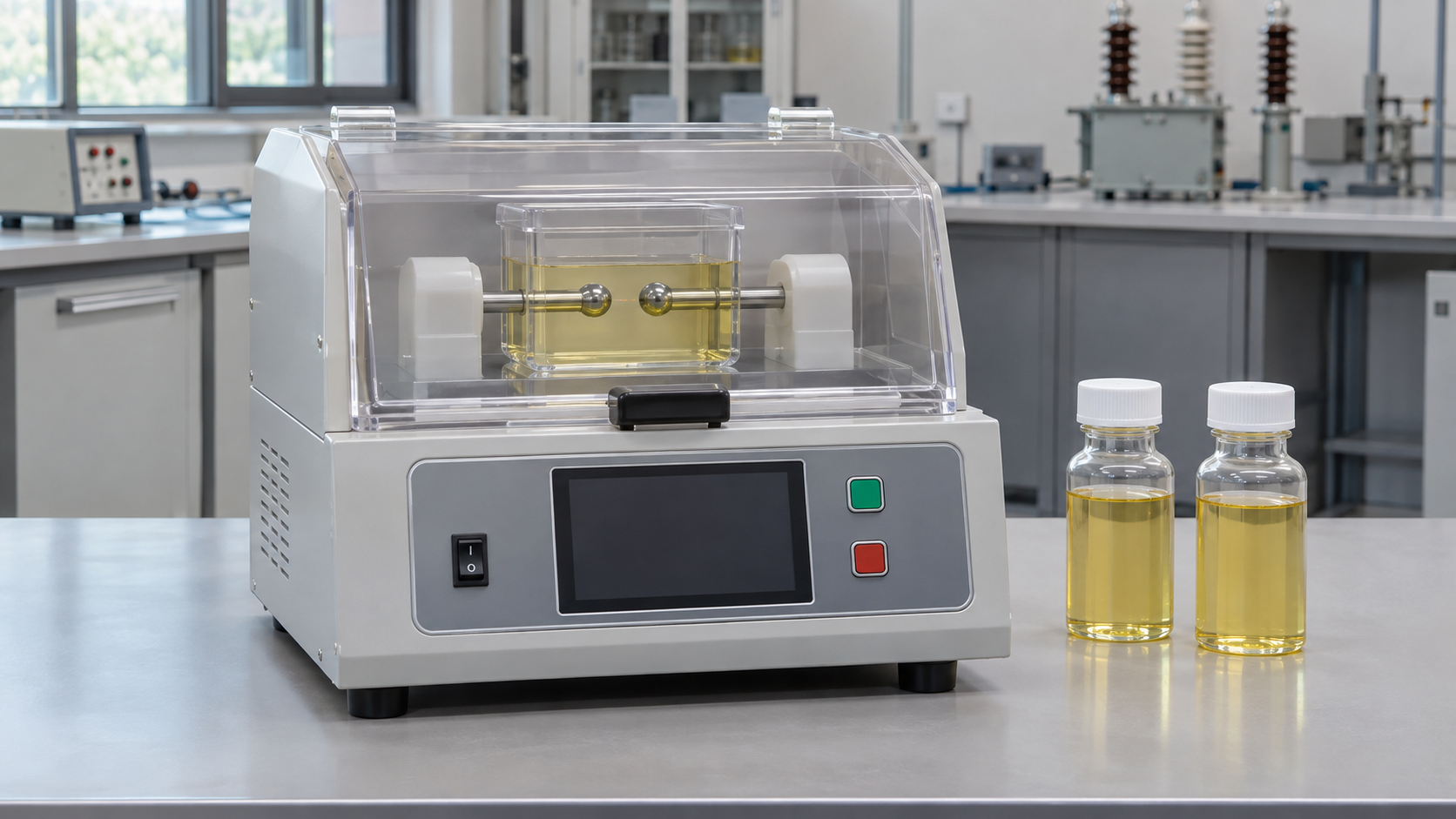
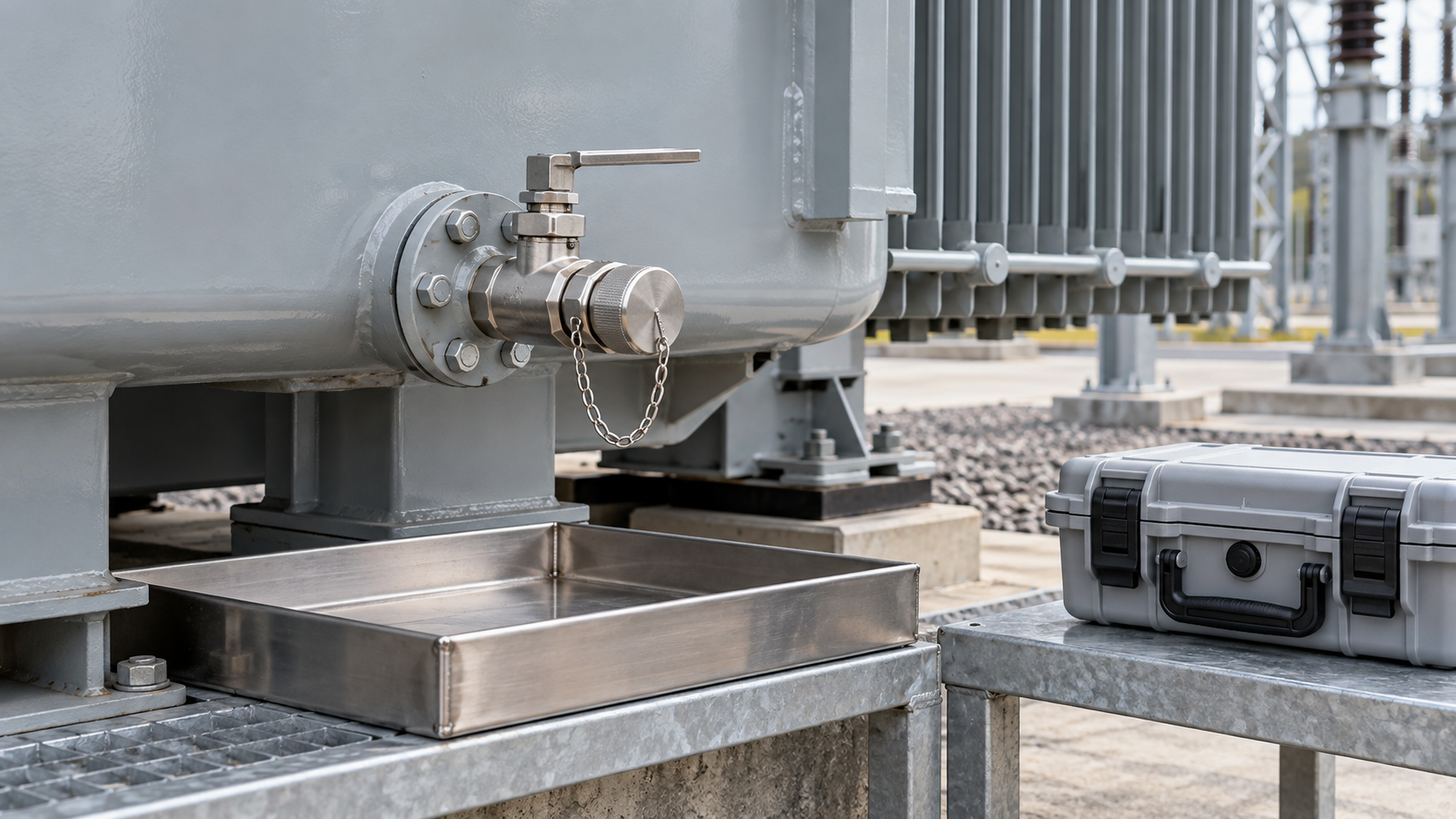
Start with the transformer serial number, project asset tag, compartment and sampling point. Check the sampling date against the filling and processing records. Oil delivered in a tanker, oil leaving a treatment plant and oil sampled from the assembled transformer represent different stages. One certificate cannot silently stand in for all three.
If the tap changer has a separate oil compartment, keep its identity distinct from the main tank. A laboratory label saying only “Transformer 1” leaves a gap when more than one compartment or unit is involved. Ask for the original sampling record rather than guessing the source from the report filename.
The approved transformer oil filling procedure should establish when acceptance samples are taken and who releases the next stage. This article reviews the evidence; sampling and electrical testing themselves require trained personnel and the approved safe procedure.
IEC 60156:2025 specifies a power-frequency breakdown-voltage test using a defined apparatus and an increasing alternating electric field. Its published scope covers testing unused liquid at delivery and samples used for condition monitoring. It is a test-method standard, not a universal acceptance number for every fluid and transformer.
Other methods, including ASTM methods, use their own arrangements and procedures. Results should not be compared as though the method name were an administrative detail. Electrode configuration, gap, sample preparation and the test sequence affect the meaning of the measurement. Ask the laboratory to identify the actual method and edition and any departures from it.
| Report item | Purpose of the check | Action when missing |
|---|---|---|
| Sample and compartment identity | Connects the result to the equipment being released | Reconcile with the sampling record |
| Method, edition and test arrangement | Establishes whether results are comparable | Obtain a clarified laboratory report |
| Individual results and reported summary | Shows whether an average conceals wide variation | Request the complete test sequence and method-based assessment |
| Sampling and testing dates | Places the measurement in the oil-treatment history | Check intervening processing or additions |
| Acceptance criterion and approver | Connects a measurement to the contractual release decision | Resolve the criterion before release |
Megger’s guidance identifies moisture and other contamination as important influences on dielectric breakdown results. Sample quality and handling also matter. An unexpectedly low result is a reason to investigate; it does not automatically establish a winding fault or justify discarding all the oil.
Equally, a satisfactory BDV result does not eliminate the need for other specified oil or equipment checks. Water-content analysis and dissolved gas analysis answer different questions. The transformer DGA baseline guide explains how gas-analysis records support later interpretation. Do not use a BDV certificate to replace that baseline where the contract requires both.
A hypothetical example illustrates the review problem: two laboratories report different averages for samples labeled with the same transformer tag. Before calling this deterioration, check whether they sampled the same compartment, at the same project stage, using comparable methods. If those facts cannot be established, classify the comparison as inconclusive and request an engineering disposition.
Agree the acceptance basis with the manufacturer, owner and laboratory before testing. It should identify the fluid type, equipment condition and relevant contractual or maintenance requirements. Avoid importing a numerical threshold from a different voltage class, fluid or test method without technical approval.
If a result fails the agreed criterion, retain the original record. Document the investigation, any approved corrective action and the reason for repeat sampling or testing. A later passing report should be linked to that history, not substituted in a way that hides the first result. The responsible technical approver decides whether the evidence supports release.
For a 110 kV or 115 kV power transformer project, provide Zisheng Electric with the oil specification, shipping and filling condition, sampling plan and proposed acceptance requirements. Request a coordinated test-document schedule so the commissioning team knows which records must be accepted before proceeding.
Technical references: IEC 60156:2025 published scope and Megger insulating-oil breakdown testing guidance. Detailed test procedures and acceptance limits must come from the applicable documents and qualified technical review.

Build a transformer protection interface matrix for EPC substations by coordinating CT data, relay functions, breaker trips, SCADA signals, secondary injection and end-to-end commissioning.
View details
Plan a transformer foundation settlement survey for EPC handover with stable benchmarks, comparable measurement epochs, differential movement checks and documented release decisions. Connect civil findings with transformer supports, cables and bus...
View details
Use a repeatable transformer winding resistance site test procedure for EPC handover. Record tap position, temperature, test current, stabilization and OEM comparison basis without inventing universal acceptance limits.
View details
The questions we get asked most often when we visit the Middle East to communicate with customers about power distribution equipment are: Can your equipment withstand high temperatures? How fast can you deliver? Have you obtained the required cert...
View details