 zishengelectric



news
News Center
Providing high-quality power to the world
Search productSearch post
news
Providing high-quality power to the world
Mineral oil and natural ester transformers should be compared as complete designs, not simply as two liquids with different fire points. The right choice depends on the installation, cooling performance, operating temperatures and the fluid preservation system. For an EPC buyer discussing a project with Zisheng Electric, the useful starting question is: which fluid-and-transformer combination can meet the approved site requirements with documented evidence?
This guide is for procurement managers and technical coordinators evaluating a new transformer. It does not assume that a particular ester option is available for every product or rating; availability and the proposed design must be confirmed in the quotation.
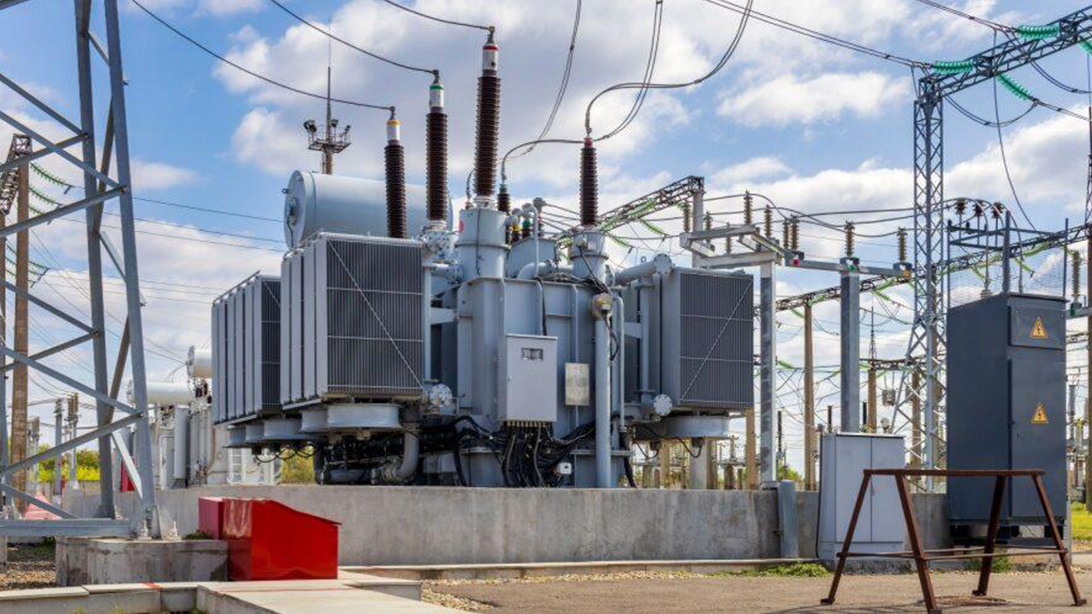
The liquid provides electrical insulation and carries heat away from internal components. Mineral insulating oil is petroleum-derived. Natural ester fluid is based on vegetable oils; it is a different fluid family from synthetic ester. A tender that only says “ester oil” therefore leaves an important material choice unresolved.
Natural ester products can offer higher fire resistance and favorable biodegradability characteristics compared with conventional mineral oil. Those advantages still need product-specific evidence. “Less flammable” does not mean nonflammable, and biodegradability does not remove the need to contain spills or follow local environmental requirements.
Fluid properties also affect how heat is transported through the transformer. Procurement should ask for the guaranteed temperature-rise performance of the proposed assembly, including its cooling arrangement. A fluid substitution alone is not evidence that the transformer can carry more load.
| Decision area | What the buyer should compare | Evidence to request |
|---|---|---|
| Fire and installation requirements | Whether the specific liquid and complete installation satisfy the project’s fire strategy | Fluid test data, applicable approvals and written acceptance of the proposed site arrangement |
| Cooling and loading | Guaranteed performance at the specified ambient temperature, load and cooling mode | Transformer design basis and agreed temperature-rise evidence |
| Low-temperature service | Suitability for the minimum ambient temperature and expected cold-start conditions | Fluid-specific viscosity data and manufacturer-confirmed operating requirements |
| Air exposure | Whether the tank or conservator arrangement protects the selected fluid appropriately | Preservation-system drawings and maintenance instructions |
| Lifetime support | Local supply, sampling, replenishment, handling and service competence | Approved fluid identity, service plan and restrictions on mixing or substitution |
A low liquid purchase price does not necessarily produce the lowest installed cost. Compare the complete offer: transformer, civil and fire-related provisions accepted for the site, maintenance requirements, spare fluid and delivery implications. Do not credit a reduction in fire protection or containment unless the responsible project authority has accepted it.
IEC 62770:2024 covers specifications and test methods for unused natural esters used as insulating and heat-transfer liquids. Its published scope warns that air exposure deteriorates natural ester and restricts use to sealed equipment or conservators protected by a membrane or an equivalent arrangement. This makes the preservation system a design decision, not an accessory to settle after purchase.
Ask the supplier to identify the actual separation between the liquid and outside air. A drawing labeled “conservator” is not enough by itself. Our transformer oil preservation guide explains the equipment and interfaces to review. The specific fluid manufacturer’s instructions remain essential.
Viscosity describes resistance to flow. Different viscosity behavior can affect circulation and handling, especially in cold conditions. Cargill’s FR3 technical guidance, for example, asks equipment manufacturers to verify low-ambient applications. Its conclusions apply to that product and its stated conditions; they should not be extended automatically to every natural ester.
A pour-point number alone does not settle the cold-start question. Give the transformer manufacturer the minimum ambient temperature, expected shutdown duration and loading conditions after energization. Obtain a written operating envelope for the proposed design. Equally, do not reject all natural ester designs for a cold location without checking the particular fluid and equipment.

Record the exact fluid designation, applicable specification, preservation arrangement, cooling duties and operating limits in the approved technical schedule. Connect these decisions to the transformer datasheet approval process so a later change receives technical review instead of becoming an informal substitution.
For an existing transformer, changing from mineral oil to natural ester is a separate retrofit assessment. It requires manufacturer review of compatibility, remaining fluid, preservation and performance. A successful new-build comparison does not authorize a direct field swap.
When discussing a 110 kV or 115 kV power transformer with Zisheng Electric, provide the site fire requirements, minimum and maximum ambient temperatures, rating, cooling duty and intended preservation arrangement. Ask which liquid options are available and what evidence supports each offer. That information makes the comparison actionable before commercial terms are finalized.
Technical references: IEC 62770:2024 scope for unused natural esters; Cargill FR3 fluid technical data; FR3 behavior in cold conditions. Fluid-specific guidance is used as an example, not as a performance guarantee for a Zisheng Electric transformer.

Compare ONAN and ONAF transformer ratings before ordering. Match required MVA to cooling availability, fan supply, site conditions and guaranteed performance.
View details
Review a dry-type transformer fan upgrade before ordering: confirm the approved rating, electrical capacity, room ventilation, failure response and handover evidence.
View details
Read both digits of IP23, identify the enclosure covered by the rating and check ventilation, cable entries and site exposure before accepting a transformer bid.
View details
Compare transformer bids on a common lifecycle-cost basis. Align guaranteed no-load and load losses, capitalization factors, reference conditions and measurement uncertainty before award, then tie accepted values to the FAT record.
View details