 zishengelectric



news
News Center
Providing high-quality power to the world
Search productSearch post
news
Providing high-quality power to the world
Use the transformer rating that matches the cooling equipment available in the operating condition you are buying for. ONAN and ONAF figures are not interchangeable capacities. When reviewing an offer from Zisheng Electric, an EPC buyer should compare the required load with each declared cooling rating before selecting the headline MVA figure.
This is a procurement decision with a direct plant consequence. A transformer may meet the normal load with fans running but fall short of the required duty when their supply is unavailable. The right purchase specification makes both requirements visible.
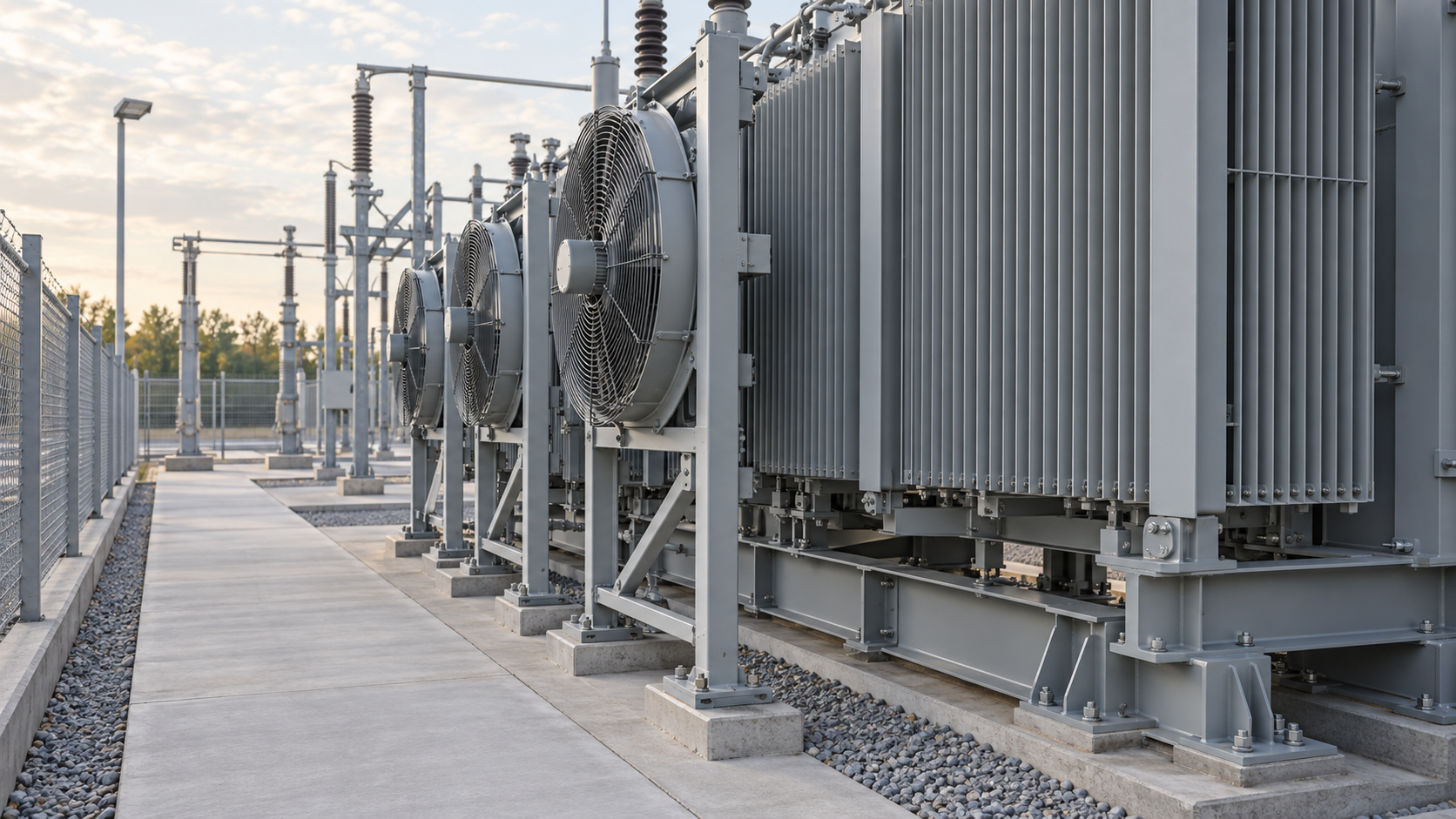
ONAN means Oil Natural Air Natural: oil circulates naturally inside the cooling circuit, and heat passes to naturally moving surrounding air. ONAF means Oil Natural Air Forced: oil circulation remains natural, while fans force air across the cooling surfaces. The fans help remove heat; they do not change the winding voltage ratio.
The higher rating of an ONAN/ONAF transformer belongs to its declared thermal design. It is not an automatic percentage increase that can be applied to any existing transformer. Siemens Energy’s power transformer portfolio lists different cooling arrangements; the purchased unit’s guaranteed schedule must state which arrangement supports each rating.
| Bid item | What to compare | Why the buyer needs it |
|---|---|---|
| ONAN capacity | Guaranteed MVA with natural cooling at agreed site conditions | Establishes the natural-cooling duty |
| ONAF capacity | Guaranteed MVA with the specified fans available | Defines the capacity dependent on forced air |
| Fan package | Installed equipment, controls and incoming supply boundary | Prevents future provision being priced as installed capacity |
| Contingency duty | Manufacturer-declared capability for the defined unavailable equipment | Avoids assuming every partial failure returns neatly to one nameplate figure |
First separate normal operation from the project’s required contingency. A contingency is a defined loss of equipment or supply that the plant must accommodate. State the remaining load, expected duration and available cooling in that condition. The owner may require uninterrupted full output, controlled load reduction or a different response. Procurement cannot decide that requirement by selecting a cheaper transformer.
Consider a hypothetical tender with an 18 MVA continuous normal load and a requirement to retain 18 MVA when fan power is unavailable. Offer A declares 16/20 MVA ONAN/ONAF. Offer B declares 20/25 MVA at the same environmental conditions. Offer A meets the normal load only with the specified forced cooling, but its declared ONAN rating does not meet the stated 18 MVA contingency. Offer B’s declared natural-cooling capacity meets that numerical requirement, subject to the rest of the specification.
This example is a comparison exercise, not a Zisheng Electric delivery or test result. It assumes continuous ratings on the same basis. Any proposed temporary overload needs a separate manufacturer-reviewed thermal assessment; the example does not authorize one.
Two MVA values are comparable only when their conditions match. Ask each bidder to identify the ambient-temperature basis, installation altitude, cooling-air restrictions and specified temperature-rise limits. A radiator arrangement intended for open outdoor airflow cannot simply be assumed to perform identically inside a restricted enclosure.
Include the intended load profile where daily peaks matter. Also distinguish equipment loss guarantees from auxiliary consumption. Fan input power is a separate operating demand and supply-design input; a headline transformer efficiency claim may not describe it. Keep these items visible in the evaluation rather than merging them into an unexplained total.
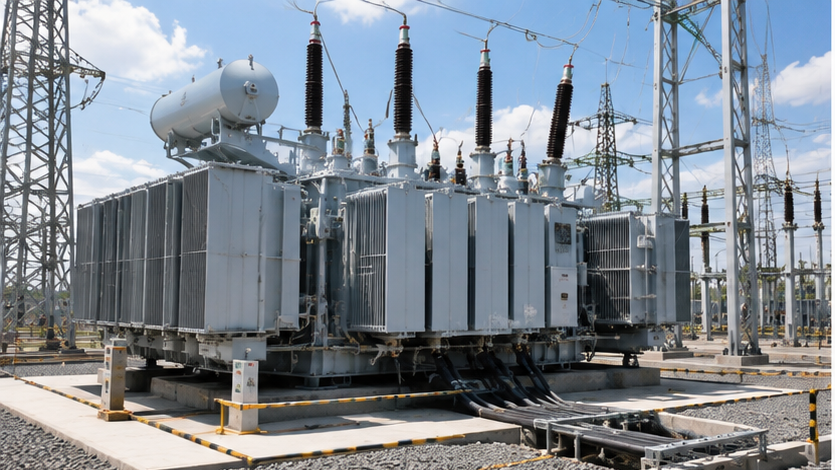
Clarify whether the offer includes installed fans or only provision for future fans. Ask for the actual motor supply voltage, phase arrangement and frequency, along with controls, protection, local isolation and remote indication scope. Specify which party supplies and terminates the incoming power circuit. The transformer auxiliary power specification guide explains these interfaces in more detail.
Do not translate one failed fan into a proportional loss of MVA. Fan grouping, shared supplies, radiator allocation and thermal behavior matter. Request the manufacturer’s declared operating limits for the contingency the owner actually requires. Where the capability is not declared, record an open technical clarification rather than assigning an invented capacity.
The purchase schedule should connect every guaranteed cooling rating to the agreed design and test evidence. A short demonstration that fans start does not establish continuous thermal capability. Conversely, thermal evidence does not prove that the installed site’s alarm wiring and control sequence are correct.
After the procurement basis is approved, use the cooling stage acceptance guide for functional verification. That later work should test the purchased arrangement, not discover which capacity the plant intended to buy.
For a 110kV–115kV power transformer enquiry, send Zisheng Electric the normal and contingency MVA requirements, site conditions and available auxiliary supplies. Request a rating schedule with one row per cooling condition and explicit exclusions. It gives procurement and engineering a common basis for comparing price against usable capacity.

Review reverse feeding a step-down transformer before purchase. Check manufacturer permission, output voltage, inrush, taps, earthing and the required approval record.
View details
Check a 60 Hz transformer offer for a 50 Hz project. Review voltage-to-frequency ratio, output voltage, capacity, auxiliaries and written manufacturer approval.
View details
Understand transformer BIL, distinguish impulse withstand from operating voltage, and check the terminal, test basis and supplier evidence before approving an EPC datasheet.
View details
Understand transformer no-load current, why it differs from no-load loss and inrush, and how EPC buyers can compare factory and field results correctly.
View details