 zishengelectric



news
News Center
Providing high-quality power to the world
Search productSearch post
news
Providing high-quality power to the world
Ask for the assembled operating mass, the gross mass of the heaviest transport package and the total gross mass of the shipment as separate entries. Each describes a different physical configuration. When reviewing a Zisheng Electric transformer quotation, give the freight coordinator the package breakdown and the civil engineer the assembled configuration. A single line marked “transformer weight” leaves both people guessing.
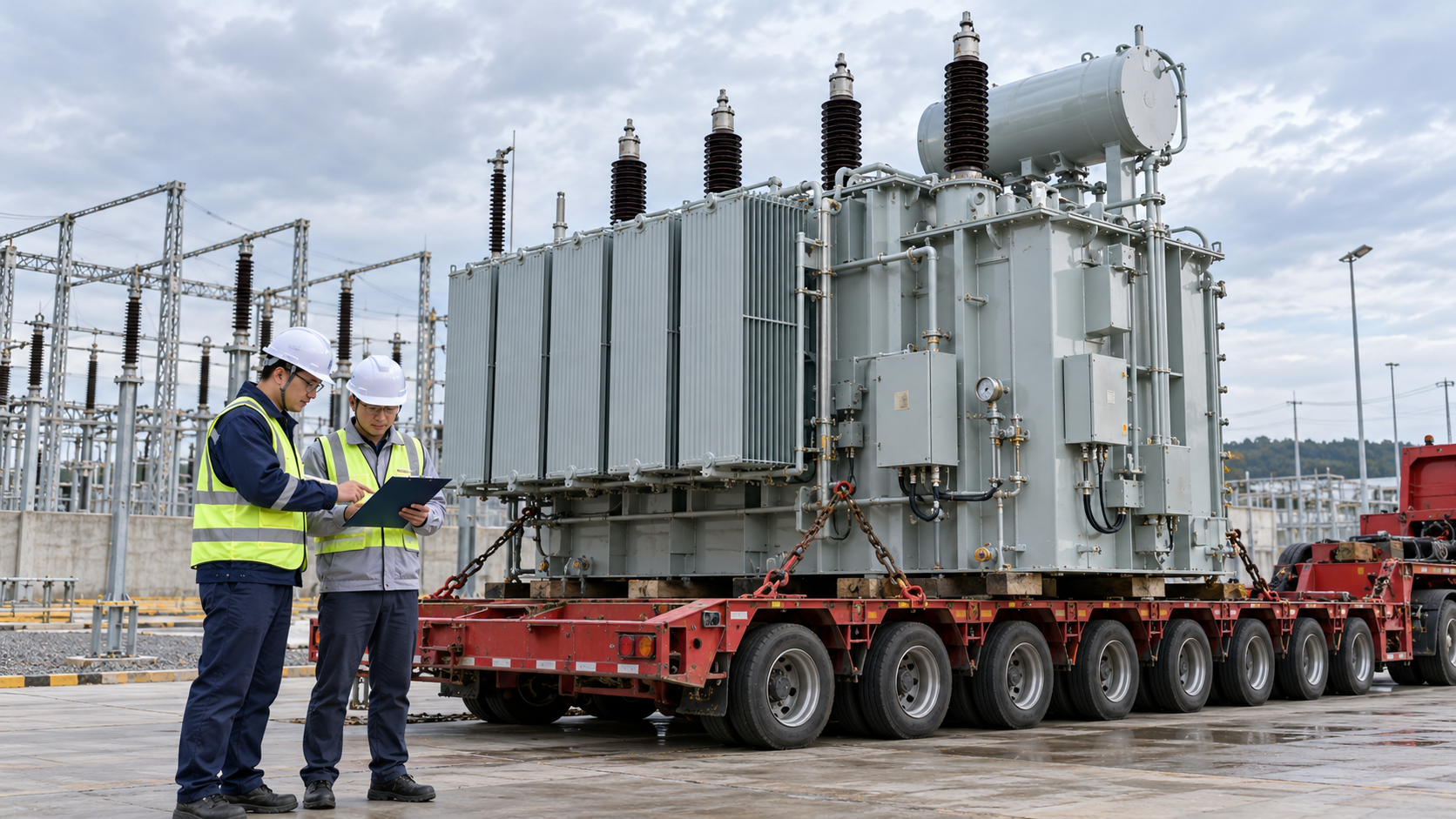
The operating mass normally refers to the completed transformer with its specified accessories and operating fill of insulating liquid. Ask the bidder to identify the exact boundary. For instance, a separately supported cooling bank can belong to the equipment package without putting all its mass on the transformer base. The civil designer also needs support locations and reactions under the applicable load cases. Total mass alone cannot determine the load on each support.
The main transport unit may travel with some accessories removed and with a different liquid fill. Its gross package mass includes the transport fittings and packing carried with it, as defined by the supplier. Detached accessories and separately shipped liquid have their own package masses. The heaviest transport piece is the largest of these individual gross masses. The total consignment mass is their sum for a stated shipment.
A BHEL transformer tender data schedule requests total weight, the heaviest package, total shipping weight and the parts detached for transport as distinct entries. That project illustrates the data distinction. The purchase order should define the entries needed for the actual delivery.
Suppose a bidder declares an operating mass of 42 tonnes. Its transport schedule shows a 34-tonne main package, a 3-tonne accessory package and a 6-tonne package of liquid and containers. These illustrative figures give 43 tonnes in total gross packages. The heaviest single package is 34 tonnes. Neither 42 nor 43 tonnes describes that piece. Packing and transport fittings can make the gross total differ from the operating mass.
| Recipient | Figure to start with | Information still required |
|---|---|---|
| Site civil designer | 42 tonnes assembled | Support reactions, layout and agreed design cases |
| Transport planner | 34 tonnes for the main package | Dimensions, vehicle arrangement and actual axle loads |
| Freight buyer | 43 tonnes across the stated packages | Package count, dimensions and shipment sequence |
If the liquid arrives a week later, the first delivery contains 37 tonnes under this example. The total order still has 43 tonnes of gross packages. A forwarding quotation based on the first dispatch alone can miss the remaining freight. Conversely, adding the liquid mass again to the stated 42-tonne operating mass would double-count material already included.

A gross package figure can support early planning. The lift engineer needs the mass and centre of gravity in the exact condition being lifted, the approved lifting points and the rigging arrangement. A temporary frame can move the centre of gravity. A packing list cannot authorize a lift or establish crane capacity. Use the lifting plan review once the handling configuration is defined.
At tender stage, identify each value as estimated or guaranteed. Ask for the limiting mass and dimensions if a route or site opening has a fixed constraint. Record the drawing revision and who must be notified if the estimate changes. After dispatch, use the receipt guide for a gas-preserved transformer where that preservation method actually applies. A different fill condition changes both the logistics assumptions and the receipt checks.
If a supplier gives one figure for “shipping/operating weight,” request the configuration behind each use. Equal numbers are possible, but equality needs an explanation of included oil, fittings and packing. Ask for units explicitly: a metric tonne is 1,000 kilograms, while an unqualified “ton” in a freight exchange can introduce a conversion error. Retain the supplier’s original units beside any converted figure.
For a power transformer enquiry, send Zisheng Electric the delivery split, transport constraints and civil drawing deadline. Request one mass row per state, with its contents and revision. That gives the project a way to update the right freight booking or foundation calculation when the equipment arrangement changes.

Plan transformer transport shock monitoring for EPC deliveries: recorder setup, data continuity, receiving inspection and documented release decisions.
View details
Plan transformer transport damage inspection before unloading: preserve shock records, document leaks and missing items, and separate receipt from energization approval.
View details
Review transformer nitrogen shipping pressure at site receipt. Connect dispatch records, temperature, gauge condition and OEM disposition before changing preservation conditions.
View details
Plan substation digital access handover with an asset access register, owner-controlled vendor support, restorable configuration backups and practical EPC acceptance evidence. Confirm interfaces, software versions and unresolved actions before sit...
View details