 zishengelectric





news
News Center
Providing high-quality power to the world
Search productSearch post
news
Providing high-quality power to the world
Engineered Transformer Systems That Match Your Project Specifications
A power system is only as strong as its weakest link. With over 15 years of manufacturing experience and transformers operating in more than 40 countries, we’ve seen how the right—or wrong—equipment choice directly impacts construction timelines, grid connection success, and long-term operating costs.
We don’t just ship transformers. We work with EPC contractors, utility companies, and industrial project owners to engineer power distribution solutions that fit the actual conditions of your site—not just a catalog specification.
Before diving into technical solutions, here is a snapshot of our manufacturing capabilities and track record:
| Capability | Details |
|---|---|
| Years in operation | 15+ years specializing in power and distribution transformers |
| Factory area | 25,000 m² production facility with dedicated winding, core, tank fabrication, and testing areas |
| Annual production capacity | Over 8,000 units per year |
| Transformer range | Up to 50MVA, 132kV class |
| Standards compliance | IEC 60076, ANSI/IEEE C57, ISO 9001:2015 certified |
| Export markets | 40+ countries across Asia, Africa, Middle East, South America, and Europe |
| Engineering team | 45+ engineers covering electrical design, mechanical design, and quality control |
Our factory combines automated production lines for core cutting and winding with skilled craftsmanship for assembly and finishing. Every transformer leaving our facility has passed a defined sequence of inspections and tests.
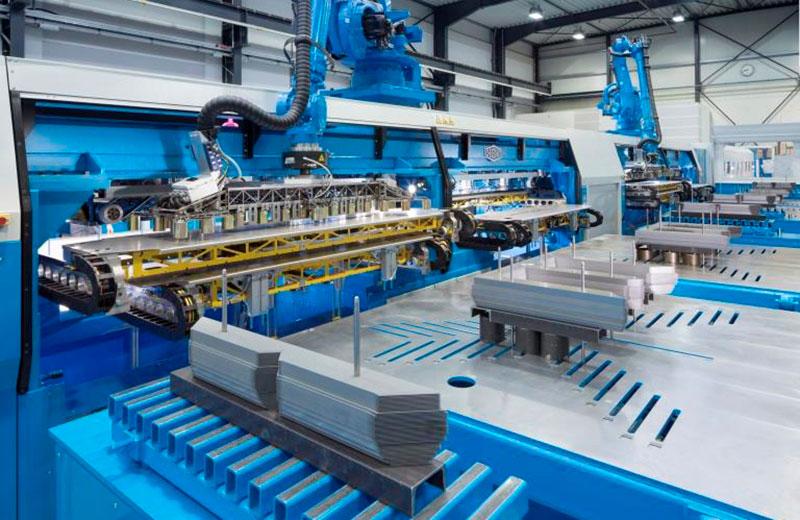
Caption: Grain-oriented silicon steel core cutting and stacking line in our manufacturing facility
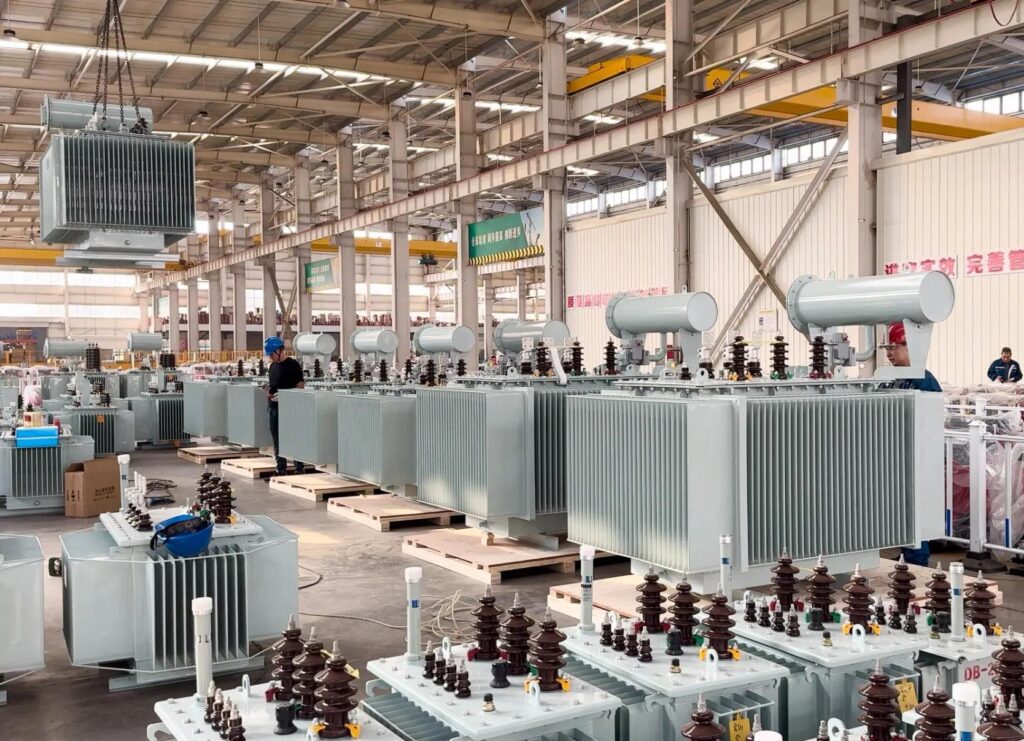
Caption: Final assembly of an oil-immersed distribution transformer before tank sealing
Standard transformer designs work well for standard applications. But most projects we encounter have at least one non-standard requirement:
When a standard transformer is forced into these conditions, the result is usually the same: reduced lifespan, unexpected maintenance, or early replacement costs.
This is why we start every project by asking questions, not by quoting a model number.
Related resource: [How to Specify Custom Transformers for Complex Projects – Full Engineering Checklist →]
Before we propose a solution, our engineering team reviews the specific parameters that shape transformer performance:
| Design Factor | What We Evaluate |
|---|---|
| Voltage and capacity | Primary/secondary voltage, rated power, and fault level requirements |
| Installation environment | Indoor, outdoor, altitude, ambient temperature, humidity, pollution level |
| Grid conditions | Grid code requirements, short-circuit impedance, harmonics |
| Mechanical constraints | Transport route limitations, space restrictions, weight limits |
| Protection needs | Enclosure type, cooling method, monitoring accessories |
This review process typically takes 2-3 working days and results in a technical proposal with preliminary drawings—not just a quotation.
Related resource: [Our Transformer Manufacturing Quality Control Process – Step-by-Step Guide →]
Solar and wind projects present unique challenges that standard industrial transformers aren’t designed to handle.
What makes renewable energy transformers different:
Frequent load cycling. Solar plants ramp up and down daily. Wind farms fluctuate by the minute. Standard transformers designed for steady industrial loads can develop insulation stress under these patterns. Our designs account for thermal expansion and contraction cycles, using materials and winding techniques that maintain integrity through repeated load changes.
Harmonics from inverters. Solar and battery storage systems generate harmonic currents that cause additional heating. We work with customers to specify appropriate K-factor ratings or harmonic mitigation measures, preventing premature aging of insulation materials.
Remote locations. Many renewable sites lack easy access for maintenance. Our transformer designs for these applications prioritize simple, proven cooling methods (ONAN) and include extended oil preservation systems that reduce the need for regular oil treatment.
Typical equipment we supply for renewable projects:
For a recent 80MW solar project in Southeast Asia, we supplied containerized step-up transformer solutions that reduced on-site installation time by 60% compared to traditional substation construction. The client connected to the grid three weeks ahead of schedule.
Related resource: [Renewable Energy Transformer Solutions – View Full Product Range →]
In a manufacturing plant, a single transformer failure can stop entire production lines. The cost isn’t just the repair—it’s the hours or days of lost output.
Common challenges we help industrial customers address:
Heavy starting loads. Motors, compressors, and large machinery draw high inrush currents. We design transformers with appropriate impedance values to handle these surges without voltage dips that could affect other equipment.
Harmonic-rich environments. Variable frequency drives, arc furnaces, and rectifier loads are common in steel, chemical, and automotive plants. We analyze the expected harmonic profile and provide transformers with reinforced neutral conductors and additional cooling capacity where needed.
Limited installation space. Many plant upgrades happen in existing buildings with tight clearances. Our dry-type transformer designs can be configured for installations where space is limited and fire safety is a priority.
Our industrial product range includes:
We recently supported a food processing plant expansion in the Middle East by designing transformers that fit within the existing electrical room footprint—eliminating the need for costly building modifications.
Related resource: [Dry Type vs Oil-Immersed Transformers – Selection Guide for Industrial Plants →]
Mining environments punish electrical equipment. Dust, vibration, temperature extremes, and rough transport conditions are daily realities that standard designs don’t account for.
What makes our mining transformers different:
Transport-ready construction. Before a transformer reaches a remote mine site, it may travel thousands of kilometers by road, rail, and sea. Our designs include reinforced tank structures, welded rather than bolted connections where appropriate, and securing points for transport. All units undergo a pre-shipment vibration test to verify structural integrity.
Sealed protection systems. Dust ingress is a leading cause of transformer failure in mining. We provide sealed tank designs with air-tight gaskets and, where specified, nitrogen blanketing systems that prevent moisture and contaminants from entering the oil.
Simple field commissioning. Remote sites don’t have the luxury of specialized commissioning teams. Our mining transformers are designed for straightforward on-site setup with clear documentation. We can also provide on-site supervision by our engineers when required.
Applications we serve:
For a gold mining project in West Africa, we delivered transformers with special corrosion-resistant coatings rated for C5-M (very high corrosivity) environments. After four years of operation, routine inspections show no signs of coating degradation.
Related resource: [Mining Power Solutions – Rugged Transformer Designs →]
Utility operators expect transformers to perform reliably for 25 to 40 years with minimal intervention. Achieving this requires manufacturing discipline, not just design intent.
Our approach to utility-grade transformers includes:
Equipment available for utility and infrastructure applications:
All units can be manufactured to IEC standards, with additional compliance to local grid codes and utility specifications as needed.
Related resource: [Utility Transformer Solutions – Distribution and Power Transformers →]
We follow a defined process to ensure technical alignment at every stage.
1. Technical Review (3-5 working days)
Send us your specifications, and our engineers review voltage requirements, load profiles, environmental conditions, and any special standards. We’ll come back with clarification questions if needed—this is how we catch potential issues early.
2. Design Proposal
You receive a proposal package including preliminary single-line diagrams, outline drawings, and a technical compliance statement showing how our design meets your specifications point by point.
3. Manufacturing and Quality Control
Production takes place under an ISO 9001-certified quality system. Key inspection points include:
4. Factory Acceptance Testing
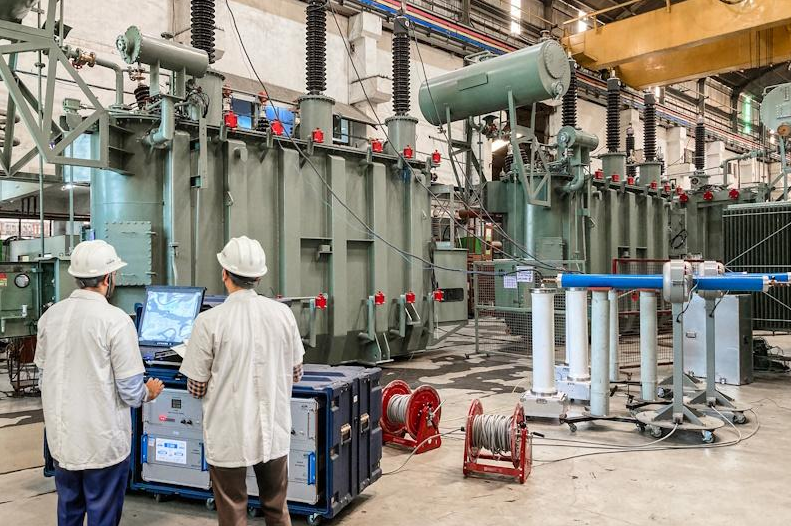
Before packing, every transformer undergoes routine tests per IEC 60076 standards:
You can attend testing in person or via video link. We provide a full test report package for your project records.
5. Export Packing and Logistics
Transformers are packed in wooden crates or on steel pallets suitable for sea freight. We handle export documentation and can coordinate with your nominated freight forwarder.
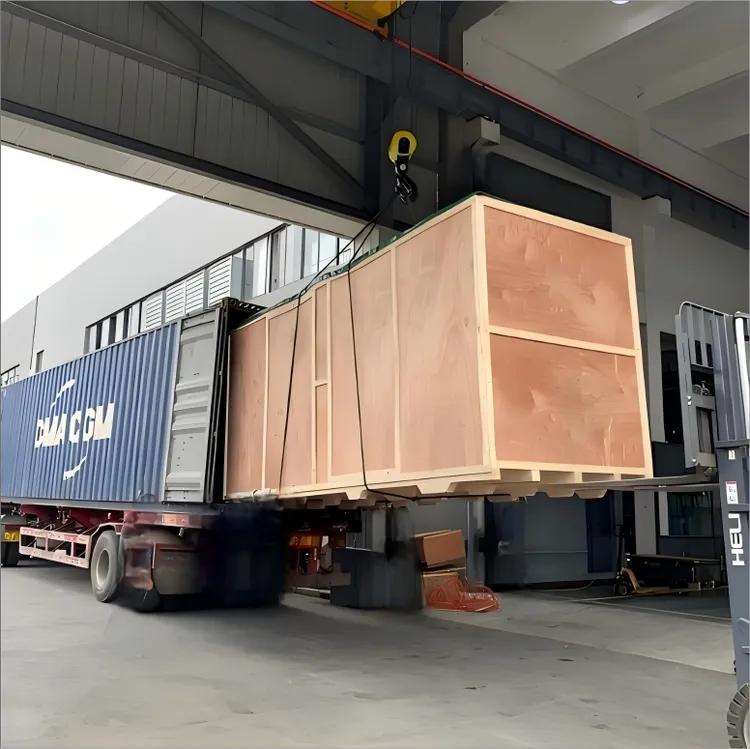
Caption: Export-standard wooden crate packing with desiccant bags and shock indicators for overseas transportation
Over the years, we’ve built our reputation by solving specific problems for EPC partners:
Faster technical responses. When you’re preparing a bid, you need technical data sheets and compliance statements quickly. Our average response time for tender-stage technical support is 48 hours.
Design flexibility during execution. Project requirements sometimes change after contract award. We accommodate reasonable design adjustments without the administrative friction you might experience with larger, more rigid manufacturers.
Documentation you can submit directly. Our drawings, test reports, and quality documents are formatted for inclusion in final project handover packages—saving your team hours of reformatting work.
Related resource: [EPC Project Support – Technical Documentation and Engineering Services →]
Here are answers to questions we commonly receive from EPC contractors, project developers, and utility customers.
Q: How long does it take to manufacture a custom transformer?
A: Typical manufacturing lead times range from 8 to 16 weeks, depending on transformer capacity, voltage class, and design complexity. Smaller distribution transformers (up to 3MVA) can often be completed in 8-10 weeks. Larger power transformers (above 10MVA) typically require 14-16 weeks. We confirm a specific delivery schedule during the technical review stage and provide weekly progress updates during production.
Q: Can you manufacture transformers according to local grid code requirements?
A: Yes. Our engineering team regularly works with utility specifications and grid codes from different countries and regions. We have supplied transformers meeting requirements across Southeast Asia, Africa, the Middle East, and South America. During the technical review, please share your local grid code documents, and we will confirm compliance point by point in the design proposal.
Q: What international standards do your transformers comply with?
A: Our standard manufacturing follows IEC 60076 series standards. We also manufacture to ANSI/IEEE C57 standards for projects requiring IEEE compliance. Other standards such as BS, AS, or GOST can be accommodated upon request. Our quality management system is ISO 9001:2015 certified, and we can provide certificates during the pre-qualification stage.
Q: Do you provide on-site installation and commissioning support?
A: We offer several levels of site support depending on your project needs. This ranges from remote technical guidance via video call to full on-site supervision by our commissioning engineers. For complex installations or remote locations, we recommend booking site supervision in advance to ensure availability aligned with your construction schedule.
Q: What is your warranty policy?
A: Our standard warranty covers 24 months from the date of shipment or 18 months from commissioning, whichever occurs first. This covers manufacturing defects in materials and workmanship. Extended warranty options are available and can be discussed during the proposal stage. We maintain a stock of critical spare parts to support warranty claims quickly.
Q: Can you supply replacement transformers that match existing specifications?
A: Yes, this is a common request. We can manufacture replacement units that match the electrical, mechanical, and dimensional specifications of existing transformers—even if the original manufacturer is no longer available. Provide us with the original nameplate data, outline drawings, and any known performance requirements, and we will prepare a form-fit-function replacement proposal.
Q: What information do you need to provide a quotation?
A: To prepare an accurate technical and commercial proposal, we typically need:
If you have existing specifications or single-line diagrams, sharing those helps us respond faster.
Q: Can we visit your factory before placing an order?
A: Absolutely. We welcome factory visits from customers and their representatives. A visit typically includes a tour of our manufacturing lines, testing facilities, and quality control stations. We can also arrange for you to witness factory acceptance tests on transformers being prepared for other projects, so you can see our testing procedures firsthand. Please contact us to schedule a visit.
Related resource: [Contact Our Engineering Team – Request a Quotation or Factory Visit →]
Every project starts with a technical discussion. To help us prepare a relevant proposal, please share:
You can reach our engineering team directly via the contact form below or by email. We respond to all technical inquiries within one business day.
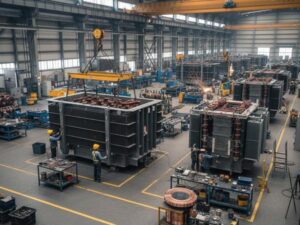
In EPC projects, transformer issues rarely appear during the quotation stage. They usually become visible later — during installation, inspection, or commissioning, when changes are costly and project schedules are already under pressure. A transf...
View details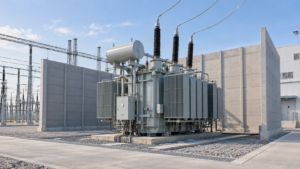
Plan transformer noise control for EPC substations by coordinating equipment sound, layout, foundations, ventilation, factory verification and site acceptance across supplier and project interfaces.
View details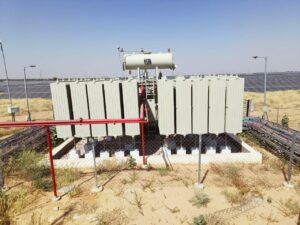
A distribution transformer isn't a commodity you grab off a shelf. Pick the wrong one, and you're looking at nuisance tripping, early failures, or an expensive piece of gear that never runs efficiently. At Zisheng Electric, we've been on the recei...
View details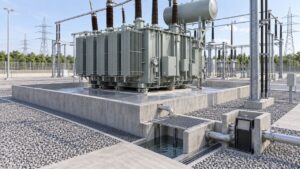
Plan transformer oil containment design for EPC substations by coordinating oil inventory, bund capacity, drainage, fire strategy, civil interfaces, construction inspection and pre-energization acceptance.
View details