 zishengelectric





news
News Center
Providing high-quality power to the world
Search productSearch post
news
Providing high-quality power to the world
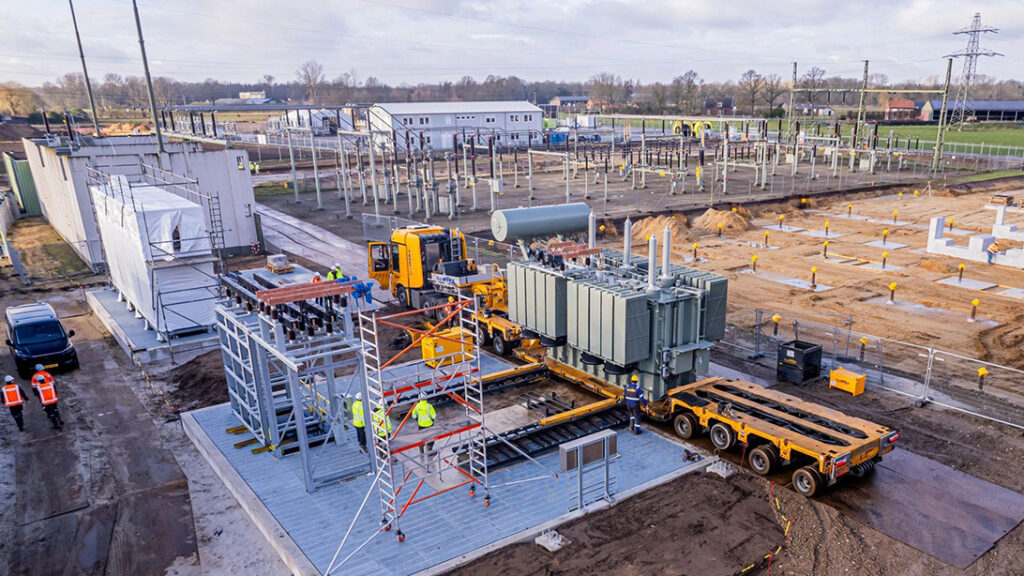
In EPC general contracting projects, transformers are no longer standard off-the-shelf products but core primary equipment deeply embedded in the entire power system. As an experienced EPC power project transformer supplier, Zisheng Electric has participated in numerous domestic and overseas EPC projects for equipment delivery and technical implementation. We deeply understand that whether a set of design drawings and technical specifications can achieve smooth on-site power transmission largely depends on the systematic capabilities of the transformer supplier, rather than simple equipment qualification compliance.
Over the past few years, we have worked with EPC contractors on multiple domestic and international projects, supporting equipment delivery and technical implementation. Through these experiences, we have realized one important point:
Whether a project can successfully achieve final energization after the drawings and technical specifications are completed depends largely on the systematic capabilities of the transformer supplier.
In this article, from the perspective of a technical engineer, I will break down the key capabilities that EPC customers should truly evaluate when selecting a transformer supplier, and why “complete equipment qualifications” are only the starting point.
EPC projects rarely follow completely standardized drawings or typical solutions.
Whether it involves IEC standards, special requirements from project owners, or local grid connection regulations, it is common to encounter conflicts or overlapping requirements between different specifications.
A qualified EPC transformer supplier must have the ability to conduct technical clarification and deviation analysis during the bidding stage, rather than simply waiting for the engineering design to be completed and then manufacturing according to the drawings.
A capable supplier should be able to identify potential technical risks in advance, provide optimized solutions, and work together with EPC contractors and engineering teams to ensure that the transformer design is fully compatible with the overall project requirements.
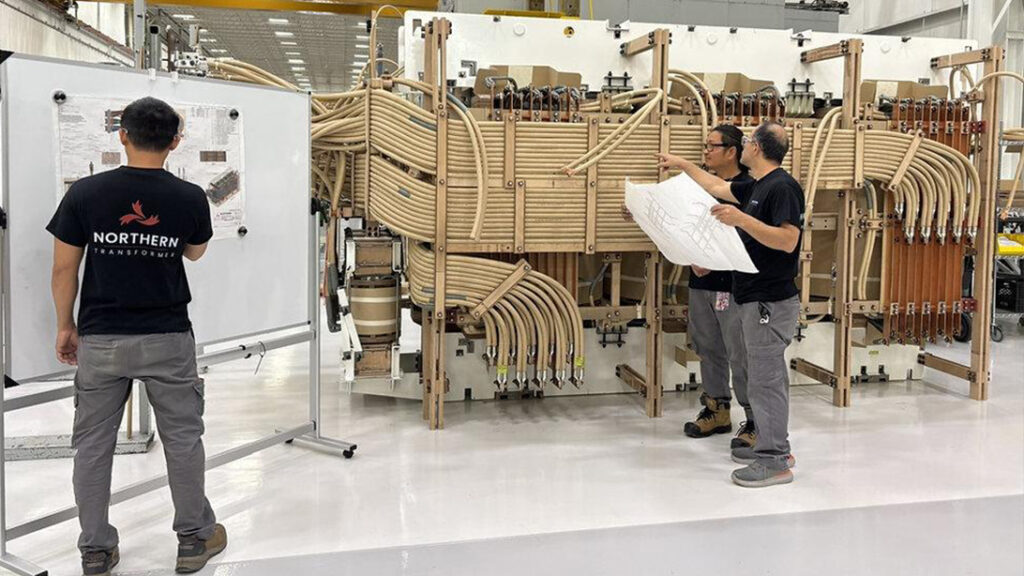
We have an internal principle at Zisheng Electric:
Before signing the technical agreement, at least two rounds of design coordination meetings must be completed.
The focus is to verify more than ten critical parameters, including short-circuit impedance, temperature rise limits, partial discharge level, on-load tap changer stages, enclosure protection rating, and accessory interface standards.
These points may sound basic, but many manufacturers are not used to being involved in the design stage early enough. As a result, problems are often discovered halfway through production — for example, finding out that the transformer tank strength does not meet seismic requirements. Situations like this are not uncommon in actual projects.
For example, in a coal-fired power plant project in Southeast Asia, the owner required the transformer to operate continuously at 100% load under a 45°C ambient temperature, with the top oil temperature rise limited to below 50K. At the same time, the transformer had to maintain a sound pressure level below 65dB(A).
These two requirements together meant that the radiator arrangement and tank reinforcement structure had to be completely recalculated.
We spent nearly two weeks conducting thermal simulations and acoustic analysis, and provided three optimized solutions for EPC evaluation.
The final selected design used 12 additional radiator groups compared with the original proposal, but the total fan power consumption was actually reduced — because the oil flow path and cooling efficiency were optimized.
This type of capability cannot be achieved by software alone. It requires long-term accumulation of engineering experience and real project testing data.
What do EPC contractors fear most?
It is when civil construction is completed but the equipment has not yet been shipped, or when the equipment arrives but the foundation embedded parts do not match.
As a long-cycle equipment item (a typical delivery period for 110kV transformers is around 75–90 days), transformers are often one of the final critical links in the EPC procurement chain.
Once upstream design changes or owner approvals are delayed, the available production window for transformers can become extremely limited.
Therefore, for EPC customers, we do not simply promise a “fixed number of delivery days.” Instead, we provide a dynamic production planning model.
From drawing approval to silicon steel cutting, coil winding, core stacking, vacuum drying, final assembly, and factory acceptance testing, every manufacturing stage has defined minimum processing times and optimized parallel production options.
For urgent projects, we can even arrange parallel production between two workshops, such as manufacturing high-voltage and low-voltage windings simultaneously, helping shorten the schedule by 7–10 days.
This type of contingency plan needs to be prepared in advance. Waiting until the project schedule is already at risk is usually too late.
In addition, considering possible shipping delays or situations where the site is not ready for installation, we provide flexible solutions such as factory storage and phased shipment.
Depending on project requirements, we can support EPC customers with temporary factory storage and staged delivery arrangements.
To be honest, this approach creates additional cost pressure for manufacturers. However, long-term EPC partners understand where our commitment lies, and both sides have clear expectations.
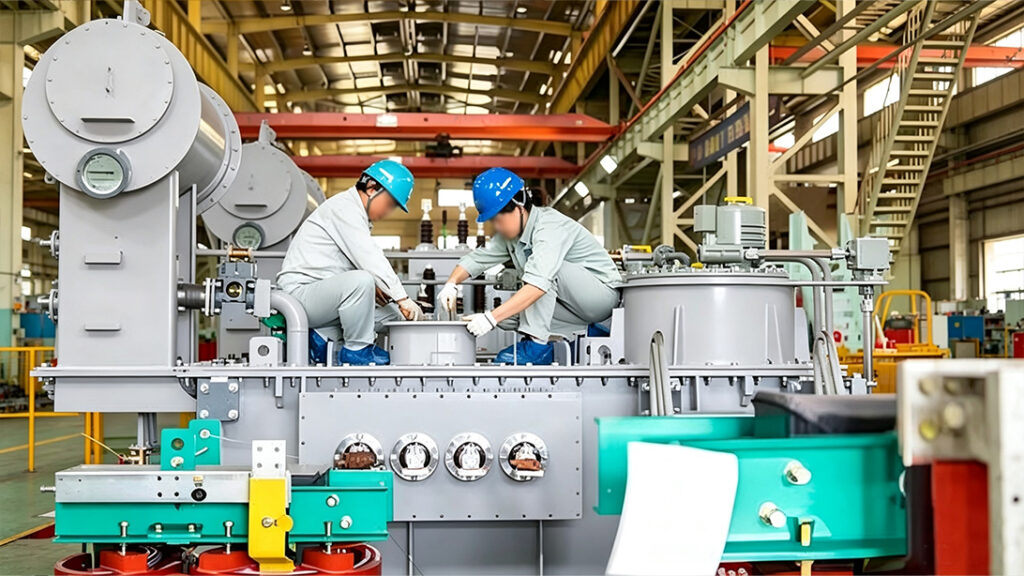
Transformer acceptance in an EPC project does not end simply because the factory test results are qualified.
From incoming raw material inspection to final on-site withstand voltage testing and handover, any failure in any stage may expose the EPC contractor to warranty deductions or project delay claims from the owner.
Therefore, quality control cannot be limited to isolated checkpoints. It must be a complete, traceable process covering the entire lifecycle.
At Zisheng Electric, we implement a “three-stage witness inspection system”:
Key incoming materials are inspected and documented, including:
Samples are retained from each batch and supported with third-party inspection reports.
During production, key manufacturing processes are monitored, including:
Each critical process parameter is recorded to ensure manufacturing consistency.
In addition to routine tests, additional testing items are conducted according to project requirements, including:
Critical manufacturing and testing data are recorded and traceable through a digital management system.
Last year, for a Middle East project, the owner appointed a third-party inspection engineer to stay at our factory for 12 hours every day, monitoring every manufacturing record and process document.
To be honest, without a solid quality management system, it is easy to expose weaknesses under such strict supervision.
Our approach was simple:
All manufacturing records were already available through the MES system. Whatever documents the inspector requested, we could provide immediately without creating temporary records or filling gaps afterward.
Ultimately, the entire inspection process from factory monitoring to shipment approval took only three weeks, reducing the owner’s expected inspection period by half.
When the transformer arrives at the project site, the real challenge begins.
For large-capacity transformers (such as 110kV and above), every step — including installation positioning, vacuum oil filling, hot oil circulation, and commissioning tests — requires guidance from experienced supplier engineers.
The installation capability of EPC subcontractors varies significantly. Some teams may even be working with oil-immersed transformers for the first time.
Our minimum requirement is:
On-site engineers must have practical experience independently solving common issues such as reduced insulation resistance after oil filling and abnormal transition resistance in on-load tap changers.
They cannot simply be engineers who call the factory whenever a problem occurs.
Because site conditions are often limited, spare parts may not be immediately available. Engineers need to find temporary solutions using existing equipment and resources while ensuring that the project acceptance schedule is not affected.
This type of judgment cannot be developed without five to eight years of frontline engineering experience.
In addition, EPC projects often involve grid company energization approval. Engineers need to support EPC contractors in technical discussions and answer questions from local utility authorities.
For example, in one African project, the local grid company required the transformer neutral grounding system to use low-resistance grounding, with resistance deviation controlled within ±2.5%.
Our site engineer prepared calculation documents for three different grounding resistor configurations in advance. During the acceptance meeting, he conducted a 30-minute technical review with the owner’s engineering team, addressing their concerns and gaining approval immediately.
This kind of technical communication capability is something many suppliers lack, but for EPC projects, it has significant value.
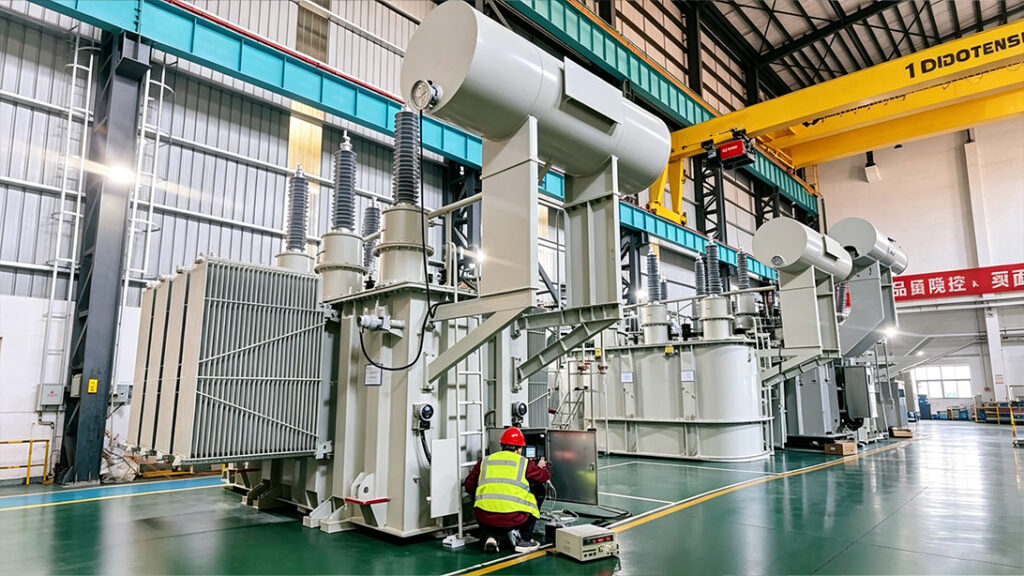
For EPC project equipment procurement, transformer suppliers are often required to comply with multiple international standards and local certification requirements at the same time.
Simply having domestic type test reports (based on GB/T 6451) is no longer sufficient. Depending on the project location, suppliers may need to provide complete IEC 60076 series test reports, IEEE C57.12.00 compliance (for North American projects), or specific grid connection approvals required by local authorities.
Below is a capability checklist that EPC customers can use when evaluating transformer suppliers during the shortlist selection stage.
| Evaluation Dimension | Supplier Capability Required | EPC Key Considerations |
|---|---|---|
| Technical Standard Capability | Ability to design and manufacture according to international standards such as IEC 60076 and IEEE | Whether the supplier can meet the specifications and regulations of the project country |
| Detailed Engineering Capability | Ability to participate in technical clarification, parameter optimization, and interface confirmation | Reduce the risk of later design modifications |
| Manufacturing Quality Control | Raw material traceability, manufacturing process inspection, and FAT testing | Ensure long-term equipment reliability |
| Delivery Capability | Flexible production planning, logistics coordination, and complete document delivery | Ensure project schedule milestones are achieved |
| On-Site Service Capability | Installation guidance, commissioning support, and acceptance assistance | Reduce energization risks |
| Project Experience | Experience with similar countries, industries, and application scenarios | Reduce project uncertainty |
| After-Sales Service System | Spare parts support, technical assistance, and long-term service capability | Ensure reliable operation throughout the equipment lifecycle |
After years of working with EPC projects, I have gradually realized one thing:
Choosing a transformer supplier is not simply choosing a manufacturer that can produce equipment.
A truly reliable supplier should be able to participate throughout the entire project lifecycle — from the initial technical discussion and engineering design, to manufacturing quality control, factory acceptance testing, site installation, commissioning, and long-term operation support.
For EPC contractors, the most valuable supplier is not necessarily the one with the lowest quotation, but the one that can reduce uncertainty during project execution.
A transformer is a long-life asset. Once installed, it may operate continuously for 20–30 years or even longer.
The decisions made during supplier selection directly affect the reliability, maintenance cost, and operational stability of the entire project.
At Zisheng Electric, we focus on providing not only transformer equipment, but also complete technical support throughout the EPC project lifecycle — helping customers reduce project risks and achieve reliable power delivery.
From oil-immersed power transformers, dry-type transformers, and solar step-up transformers to compact substations and medium-voltage distribution solutions, our engineering team works closely with EPC partners to provide practical solutions based on actual project requirements.
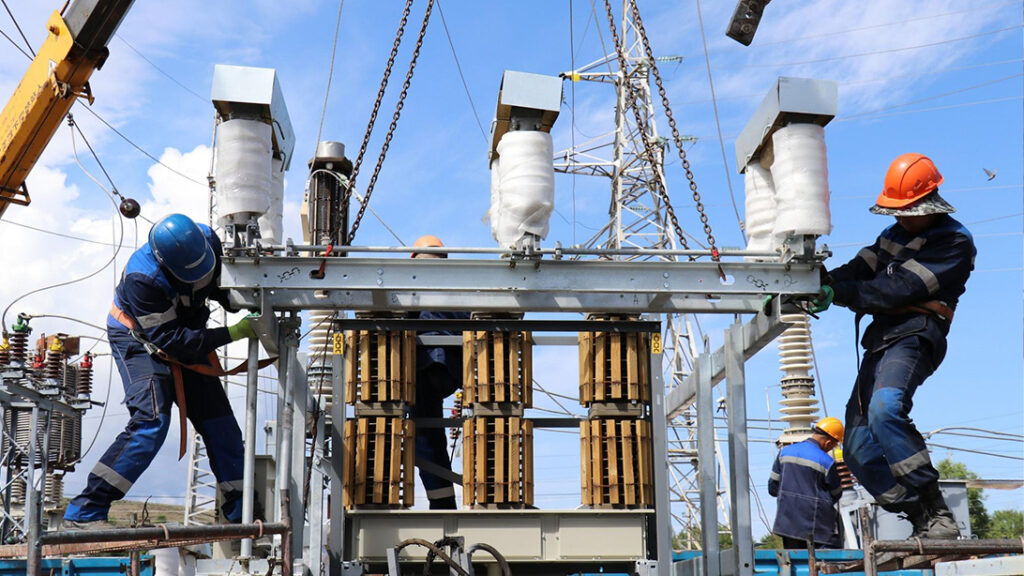
Selecting a transformer supplier for an EPC project is essentially not about choosing a piece of equipment. It is about choosing a partner who can support the entire project lifecycle, minimize risks, and step in when critical problems occur.
Equipment specifications can be copied, and test reports can be obtained, but capabilities such as flexible delivery management, practical on-site problem-solving experience, and technical confidence when facing owner questions cannot be fabricated.
At Zisheng Electric, we have been working in this industry for more than ten years. To be honest, we have also encountered challenges along the way.
In one early project, insufficient protection during marine transportation caused moisture exposure in the transformer bushings, resulting in a four-day delay on site.
After that experience, we completely upgraded our export packaging process. All exported products are now protected with double-layer vacuum heat-shrink film packaging and transported with dry air filling, and we have not experienced similar issues since.
These lessons have been integrated into our internal procedures and included in our technical risk review checklist for every EPC project.
If you are preparing an EPC project and the transformer supplier shortlist has not yet been finalized, we welcome you to share your technical specifications with our team for discussion.
We may not always provide the lowest quotation, but we will clearly explain every technical deviation, every potential risk point, and every delivery milestone.
For EPC projects, clarity and reliability are often more valuable than simply choosing the lowest price.
Zisheng Electric specializes in Oil-immersed transformers、Substation transformers、Packaged transformers、Pole-mounted transformers、Dry-type transformers、Other power distribution equipmentequipment.and comprehensive EPC project services covering the entire project lifecycle.
Learn practical transformer maintenance experience to extend service life. Cover oil‑immersed & dry‑type transformer inspection, DGA oil testing, temperature control, overload management, environment‑adapted checklists for Middle East & Africa pro...
View details
After years of working on-site with EPC projects, I have realized one critical truth: although transformers seem to be standard electrical equipment, every actual project requires customized support. Tiny differences in design parameters, dimensio...
View details
In EPC projects, a transformer room must be designed as an operating space, not just a rectangle around the tank. Zisheng Electric engineers explain essential layout considerations including safety clearances, ventilation, lifting routes, and main...
View details
A practical EPC guide to evaluating transformer suppliers for Middle East and Africa projects, covering IEC compliance, testing, manufacturing, logistics, FAT, site service and after-sales support.
View details