 zishengelectric





news
News Center
Providing high-quality power to the world
Search productSearch post
news
Providing high-quality power to the world
An inspection plan can look complete and still leave an EPC contractor unable to release a transformer. The tests may be finished, yet an open drawing comment, an unrecorded witness waiver or a missing serial-number reference prevents a defensible decision. For an EPC enquiry to Zisheng Electric, the useful starting point is therefore not a long test list. It is a transformer inspection and test plan that connects each project requirement to evidence, an accountable reviewer and the next permitted activity.
The engineering chain is straightforward: approved design → manufacturing checkpoints → factory testing → inspection release → site receipt. What matters is where that chain can break. A good plan identifies checks that will become difficult later and makes the authority to proceed explicit. This guide proposes a practical review framework; the purchase order, approved project specifications and agreed quality procedures remain the governing documents.
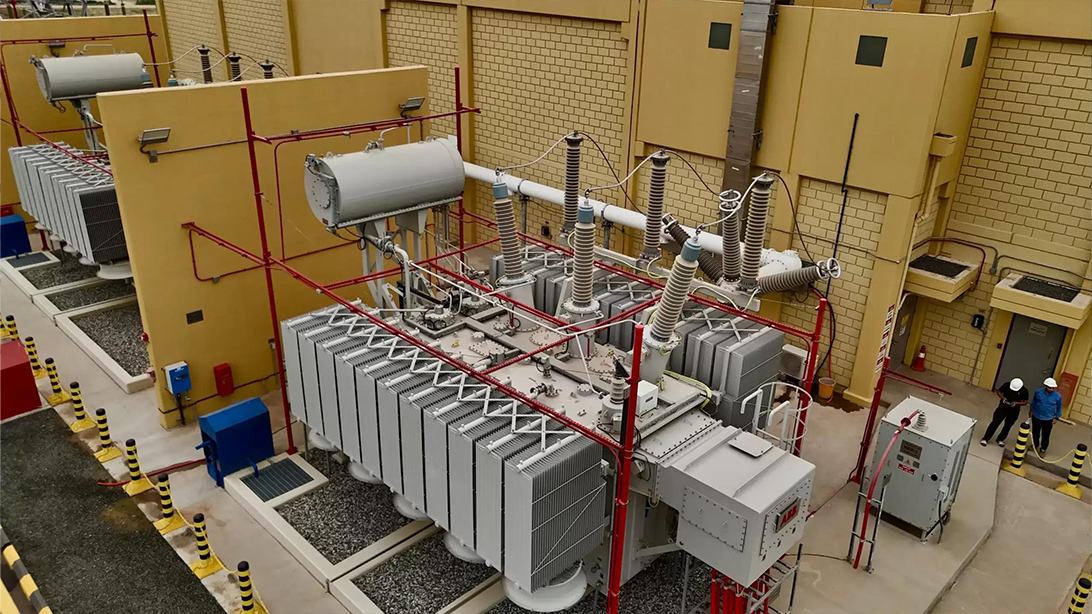
Start with the equipment schedule, not a generic template. List each transformer tag, quantity, duty, rated power, voltage ratio, cooling arrangement and accessory scope. Rated power establishes the declared duty; the voltage ratio and tap arrangement define the connection being assessed. The inspection records must describe the same configuration that the electrical design and purchase order require. A report for a similar unit is not automatically evidence for the ordered unit.
Define the boundary of supply. A transformer package may include a marshalling cabinet, cooling controls, monitoring devices and loose-shipped accessories. It may exclude protection relays or cable terminations supplied by another contractor. If an interface is outside the manufacturer’s scope, identify who will verify it and at which project stage. Leaving the cell blank does not transfer the responsibility.
An EPC team reviewing 10 kV-class oil-immersed distribution transformers, for example, should connect the selected configuration to its approved datasheet and inspection records. The catalogue category is a starting point for equipment selection, not the acceptance basis for a particular order.
IEC 60076-1:2011 addresses general requirements for power transformers within its stated scope. Identify the applicable standard editions and project documents in the order, then use the controlled copies when developing detailed acceptance criteria. The public IEC description confirms the standard’s identity and scope; it does not provide the complete test procedures or the project’s acceptance limits.
Technical Reference: IEC 60076-1:2011 — International Electrotechnical Commission.
Keep the technical requirement separate from the buyer’s inspection involvement. A required check does not become optional because the buyer elects not to attend. Conversely, assigning a witness does not establish a new test limit. The ITP should point to the approved technical procedure for the method and acceptance criteria, and to the agreed inspection rules for participation and release.
Use a legend approved by the parties. The definitions below are proposed project rules, not universal contractual wording. They should be reconciled with the EPC contractor’s quality requirements before manufacturing starts. Give the manufacturer, EPC contractor, owner and independent inspector separate columns where their responsibilities differ.
| Proposed involvement | Main risk | What the project should confirm |
|---|---|---|
| Hold point (H) | Work proceeds beyond a stage that requires authorization. | The activity cannot pass the gate until the named authority issues a traceable release; define the permitted release method. |
| Witness point (W) | Attendance is missed or a no-show is treated as permission without agreement. | Define notice, acknowledgement, attendance and any written waiver or no-show procedure before scheduling the activity. |
| Document review (R) | A report is received but no one checks its applicability. | Identify the reviewer, required revision, equipment identity, review deadline and comment-closure route. |
| Surveillance (S) | Intermittent observation is mistaken for full inspection coverage. | Define the surveillance scope and reporting, without treating it as a substitute for required manufacturing checks. |
Do not make every line a customer hold point. Concentrate mandatory stops where proceeding would hide evidence, commit an unresolved design choice or expose the project to unacceptable rework. Too many stops can weaken attention to the genuinely important gates. Too few leave the inspector looking at a closed tank and asking questions that should have been resolved while the active part was accessible.
Who signs matters as much as what is checked. A third-party inspector may be authorized to witness a measurement but not to accept a technical deviation. A buyer’s site engineer may review an accessory drawing without authority to release manufacture. Record the approval role and its limits; a meeting attendance sheet is not a release authorization.
From Zisheng Electric’s engineering perspective, the practical question is: what evidence will the reviewer still be able to obtain after the next assembly stage? Direct access to an active part is different from reviewing its photographs after tanking. Plan the sequence around that difference instead of placing all customer involvement at the final test date.
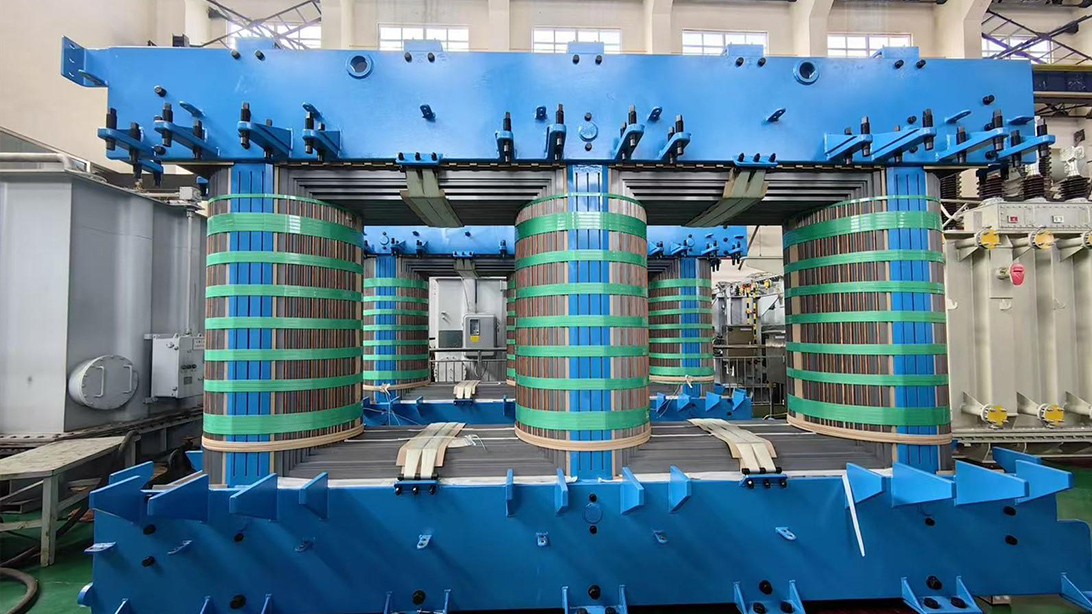
Connect the ITP to the approved datasheet, general arrangement, connection details, accessory list and relevant manufacturing procedures. Resolve conflicting voltage designations, tap ranges, terminal orientations and instrument requirements before they drive irreversible work. A dimensional check performed against an obsolete drawing can produce a neatly signed but useless record.
The same discipline applies to 20 kV-class oil-immersed distribution transformers. Identify the actual approved voltage ratio and interface dimensions rather than carrying values across from a previous order. Use the project’s transformer technical-interface closure process to assign unresolved items to the right discipline.
For a proposed pre-tanking inspection, state the accessible items, drawing references, identification records and evidence required. Core and winding identification, connections, support arrangements and cleanliness are useful review subjects when applicable to the design and agreed scope. Their acceptance criteria belong in the approved drawings and procedures, not in an improvised checklist written on the inspection day.
For processes whose condition is not fully visible afterward, request the agreed process records and traceability. Do not invent drying temperatures, moisture limits, torque settings or sampling frequencies. Those values depend on the design and qualified manufacturing instructions. The ITP’s job is to name the applicable instruction and required record, not to substitute an internet value for an approved engineering requirement.
A notice saying “FAT next week” is insufficient for an EPC team coordinating several parties. Identify the purchase order, transformer tags and serial numbers, ITP revision, inspection stage, approved procedure, location and proposed start time with its time zone. Include the expected duration, access requirements and the documents available for review.
Agree the notice period in the contract or inspection procedure. Do not assume one universal number of days. International travel, remote attendance and owner approvals can have different lead times. If the factory moves the activity, communicate the revised notice and obtain the responses required by the agreed rules. An earlier acknowledgement should not silently authorize a different event.
For remote witnessing, decide in advance how identity, instrument displays, test conditions and records will be shown. A video call can support observation, but it does not automatically replace an agreed physical hold point or an examination that needs direct access. Record any accepted change to the inspection method and its limitations.
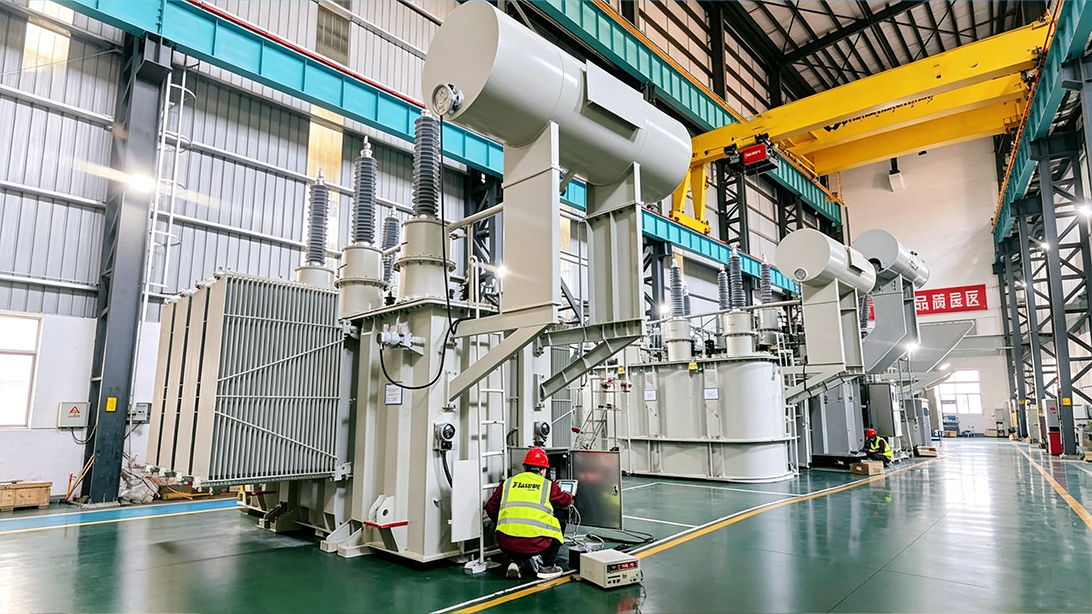
Before starting the agreed factory acceptance test, check that the approved procedure, test sequence, instrument identification and applicable calibration records are available. Establish which configuration will be tested and how tap positions, accessory settings and temporary connections will be recorded. Otherwise, a numerical result may be impossible to relate to the delivered equipment.
| ITP stage or input | Why it matters | Evidence to request before closure |
|---|---|---|
| Approved test scope | Unlisted optional or project-specific tests can become late disputes. | Test schedule tied to the purchase order, approved procedures and agreed applicability. |
| Transformer and configuration identity | A result can be assigned to the wrong unit or tap position. | Tag, serial number, rating, connection, tap position and relevant accessory configuration. |
| Measured and reported quantities | Units or reference conditions can change the interpretation. | Raw results where required, units, test conditions, applicable corrections and calculation traceability. |
| Acceptance comparison | A summary marked ‘pass’ can conceal an unresolved difference. | Comparison with the contractual criteria, reviewer identification and comment closure. |
| Repair or adjustment after testing | The final configuration may no longer match the earlier evidence. | Approved disposition, affected requirements, retest scope and updated records. |
| Final inspection release | A complete test session does not prove all contractual gates are closed. | Signed ITP status, resolved nonconformances and the authorized release record. |
Parameters need context. Winding resistance readings require identification of the winding and relevant temperature conditions. Ratio results need the tested tap position and connection. Loss and impedance reports should state the applicable reference conditions and any corrections required by the approved method. The reviewer should be able to follow the result from measurement to the contractual comparison without guessing which conditions were used.
This is a review requirement, not permission for an unqualified observer to operate test equipment. Test execution, safe access and switching remain under the manufacturer’s authorized test personnel and approved safety procedures. An EPC witness should raise a discrepancy through the agreed inspection channel rather than request an improvised energized demonstration.
When a check fails or evidence is missing, identify the affected ITP line and equipment. Separate a documentation omission from a physical nonconformance; both need closure, but not necessarily the same action. State the requirement, observed condition, proposed disposition, responsible person and due date in a traceable record.
A repair, replacement or setting adjustment should trigger a review of which earlier checks remain valid. Retest scope depends on what changed and which functions could be affected. “Repeat everything” and “repeat nothing” are equally weak defaults. Obtain the required technical approval, then update the evidence and ITP status so the final package describes the delivered configuration.
If a concession is proposed, record who may accept it and exactly which requirement it changes. A successful retest does not by itself approve a separate dimensional deviation. Schedule pressure does not resolve an open technical issue. The commercial team can negotiate timing; it should not silently redefine the engineering acceptance basis.
Make the release boundary explicit. Factory inspection release confirms completion of the agreed factory gates within its stated scope. Shipping authorization, commercial acceptance and permission to energize are different decisions. The EPC transformer supply workflow should link those decisions without treating them as interchangeable.
Where the contract permits conditional release, list each remaining item, responsible party, deadline and restriction. State whether the condition blocks packing, dispatch, installation or energization. A vague note saying “documents to follow” gives the receiving team no usable control. Keep the authorization attached to the release record and make it visible to logistics and site quality staff.
Prepare the manufacturing record package while work progresses. Index the approved ITP, drawings, inspection reports, test records, calibration evidence where required, nonconformance dispositions and release notes by equipment identity. A large PDF assembled at the end is difficult to review if the references do not agree. Traceability saves more time than file volume.
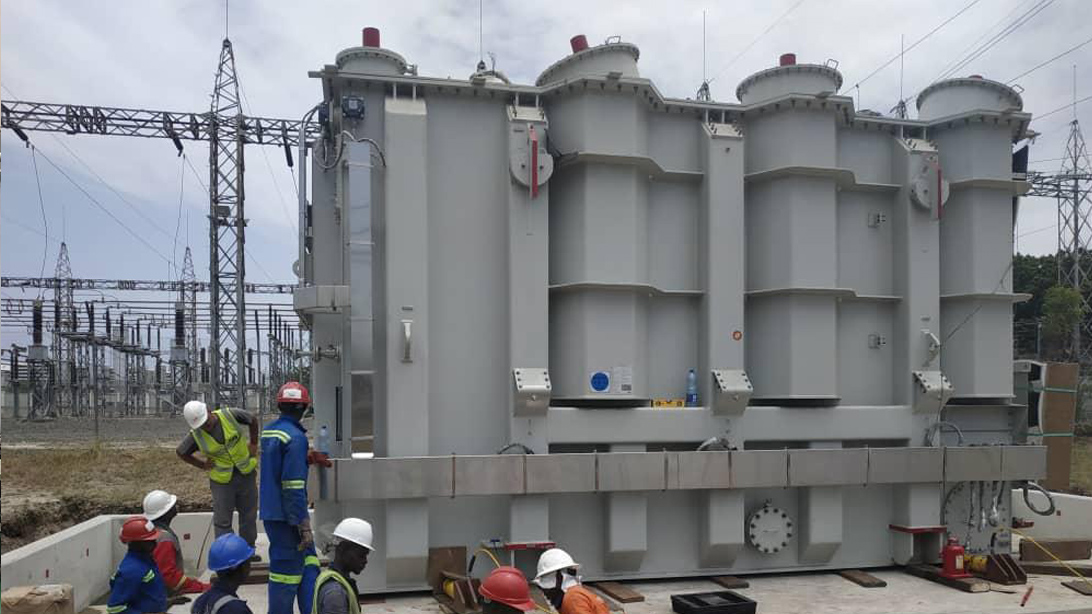
At site receipt, verify identity, shipping condition, loose accessories and the records required for preservation and installation. Transport or installation can introduce issues after successful factory testing. Assign the site checks to the installation and commissioning plans, with clear ownership of unresolved findings. Factory evidence remains valuable, but it cannot describe conditions that arose after dispatch.
A useful enquiry includes the single-line diagram, transformer datasheet, equipment schedule, project specification, proposed ITP, document-delivery requirements and inspection participation matrix. Add site conditions, the required delivery sequence and any owner-appointed inspector requirements. Flag open technical choices instead of hiding them in an otherwise complete-looking schedule.
Zisheng Electric can support technical matching for oil-immersed transformers and related distribution equipment based on project capacity, voltage level, environmental conditions and technical specifications. Send the proposed transformer inspection and test plan with the project documents so the required configuration, evidence and inspection interfaces can be reviewed together. Our engineering team will review the requirements and respond to project inquiries within 24 hours.
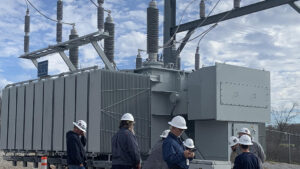
After years of working on-site with EPC projects, I have realized one critical truth: although transformers seem to be standard electrical equipment, every actual project requires customized support. Tiny differences in design parameters, dimensio...
View details
In EPC projects, a transformer room must be designed as an operating space, not just a rectangle around the tank. Zisheng Electric engineers explain essential layout considerations including safety clearances, ventilation, lifting routes, and main...
View details
Build a transformer site assembly supervision plan covering site release, bushings, radiators, oil filling, hold points and EPC handover records.
View details
Build a practical transformer FAT witness plan for EPC projects, covering hold points, document readiness, routine tests, functional checks, punch items and shipping release.
View details