 zishengelectric



news
News Center
Providing high-quality power to the world
Search productSearch post
news
Providing high-quality power to the world
At a transformer factory acceptance test (FAT), a temperature-rise result is only useful when the test duty, cooling arrangement, measurement points and calculation basis match the purchase specification. Zisheng Electric works with EPC teams to freeze those review points before the witness date, so a borderline reading can be discussed against an agreed basis rather than an assumption made after the test.
This guide is for EPC electrical engineers, owner’s engineers and quality representatives reviewing a liquid-immersed power transformer. Its purpose is not to replace the contract or the applicable standard. It gives a practical way to check whether the thermal evidence is complete and comparable with the guaranteed design.
Temperature-rise testing evaluates the thermal performance of a transformer under a specified test arrangement and duty. The review should distinguish the measured quantities from values derived by calculation. Depending on the agreed procedure, records can include ambient conditions, top-liquid temperature, winding temperature by resistance method, cooling equipment status, applied losses and test duration. The exact channels and method must follow the project specification and applicable standard.
IEC 60076-2:2011 applies to liquid-immersed transformers, identifies transformer cooling methods, defines temperature-rise limits and gives temperature-rise test methods. It also introduced a winding hot-spot temperature-rise limit in that edition. Do not lift a limit from an old template: confirm the contract edition, transformer insulation system, cooling designation and purchaser requirements before FAT.
Start with the approved datasheet, guaranteed loss schedule, cooling designation and FAT procedure. Confirm which operating configuration is being demonstrated: natural cooling, forced-air stages, or another specified arrangement. A test performed with one fan stage available cannot automatically validate a different guaranteed operating mode. The witness plan should show which pumps, fans, relays and temperature indicators are energized, and how their status is recorded.
Also agree the measurement boundary. Identify the ambient sensors, oil-temperature points, winding-resistance connections, current and voltage channels, time stamps and data logger. Ask for instrument identification, calibration status and stated accuracy. Where the method relies on resistance measurements, the procedure should state winding temperature correction assumptions and how the reading is stabilized. Do not infer a pass or fail from a single display value without the calculation sheet.
| Review point | Evidence to request | Why it matters |
|---|---|---|
| Transformer identity | Serial number, rating, cooling designation, approved data sheet | Links the result to the contracted unit and design basis |
| Test configuration | Winding connection, test duty, cooler stage and accessory status | Prevents comparison against a different thermal configuration |
| Instrumentation | Sensor locations, instrument IDs, calibration and uncertainty records | Shows that readings are traceable and fit for the measurement |
| Stability and duration | Time-stamped trends and procedure-defined stabilization criteria | Allows the reviewer to assess whether the recorded condition was representative |
| Calculation | Raw readings, corrections, equations and final report | Makes derived winding or hot-spot values auditable |
| Disposition | Deviation log, retest record and signed acceptance decision | Prevents unresolved exceptions from being hidden in a summary sheet |
Ask for the time series that supports the final report. A trace lets the witness see ambient drift, cooler transitions, sensor interruptions and the basis for any steady-state decision. It also helps explain why two apparently similar tests may not be directly comparable. If a fan bank starts late, a sensor is replaced, or the test arrangement changes, the event should be recorded with its time and technical disposition.
For winding temperature derived from resistance, retain the before-and-after resistance readings, winding identity, tap position, measured winding temperature basis and calculation. The report should identify whether the value is measured directly or derived. These are not interchangeable statements. If the project uses a calculated hot-spot value, the model or correction route should be identified and tied to the agreed method; do not silently substitute a generic factor.
Before calling a result nonconforming, check that both parties are using the same reference conditions, cooling mode, guarantee, correction convention and acceptance rule. Then review measurement uncertainty and the stated decision rule. A result near a contractual limit may require an agreed treatment of uncertainty, repeat measurement or engineering disposition. The rule should be established before the test rather than invented after a value is known.
If a repeat test is proposed, state what will change: test connections, sensor placement, cooling stage, instrument channel, stabilization period or calculation input. Preserve the original data. The report should retain both runs and explain which result governs under the contract. This protects the EPC record while allowing a legitimate technical correction to be made.
For related EPC review context, see how to agree transformer FAT measurement uncertainty and the bushing field-test release guide. For product configuration context, review the 2500 kVA oil-immersed transformer and the 35/46 kV power transformer.

Only the configurations actually tested and accepted under the agreed procedure are demonstrated. The witness should compare the test mode with the guaranteed cooling designation and contract scope.
No. The final report needs traceable raw data, time history and calculation inputs so the result can be reviewed and reproduced.
No. Acceptance depends on the applicable standard edition, design, cooling method, insulation system and project guarantee. Use the approved project criteria.
When planning a transformer FAT, ask Zisheng Electric to align the test procedure, measurement list and acceptance record with your project specification. Share the rating, cooling designation and required standard edition so the engineering team can review the intended test basis before the witness date.
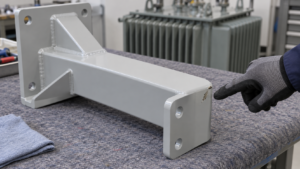
A practical EPC checklist for inspecting transformer coating repairs after delivery, including surface preparation, coating compatibility, dry-film thickness, records and release decisions.
View details
Plan transformer FAT measurement uncertainty reviews before testing. Define limits, decision rules, evidence and escalation so EPC teams can resolve borderline results.
View details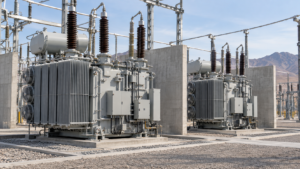
Specify transformer impedance tolerance for EPC procurement: compare guaranteed limits, study margins, parallel loading and FAT deviations before release.
View details
Learn how EPC teams verify transformer rail gauge, straightness, elevation, stops and route interfaces before heavy equipment placement—using project tolerances, survey records and release criteria tied to approved drawings.
View details