 zishengelectric



Mineral Oil vs Natural Ester Transformers: What Should EPC Buyers Compare?
20Compare mineral oil and natural ester transformers by fire requirements, cooling design, cold operation, preservation systems and EPC procurement documents.
View detailsSearch productSearch post
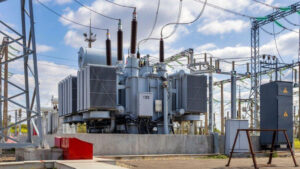
Compare mineral oil and natural ester transformers by fire requirements, cooling design, cold operation, preservation systems and EPC procurement documents.
View details
Understand transformer no-load current, why it differs from no-load loss and inrush, and how EPC buyers can compare factory and field results correctly.
View details
Learn what a power transformer does, how magnetic induction changes voltage, and which ratings, components and project inputs EPC buyers should confirm.
View details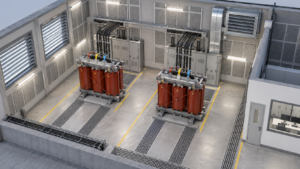
Review a dry-type transformer fan upgrade before ordering: confirm the approved rating, electrical capacity, room ventilation, failure response and handover evidence.
View details
Compare VPI and VPE transformer offers by resin, processing, environmental duty and guaranteed performance. Learn which supplier evidence makes an EPC comparison useful.
View details
Understand transformer BIL, distinguish impulse withstand from operating voltage, and check the terminal, test basis and supplier evidence before approving an EPC datasheet.
View details
Review reverse feeding a step-down transformer before purchase. Check manufacturer permission, output voltage, inrush, taps, earthing and the required approval record.
View details
Distinguish insulation thermal class, average winding rise and hot-spot temperature. Learn which guarantees EPC buyers need before approving a dry-type transformer.
View details
Check transformer efficiency claims using load, power factor and loss data. Follow a worked calculation and request the evidence needed for EPC technical approval.
View details
Translate a tap range into actual primary voltages, check the nominal position and compare two transformer bids against the supply range specified for your project.
View details