 zishengelectric





news
News Center
Providing high-quality power to the world
Search productSearch post
news
Providing high-quality power to the world
At Zisheng Electric, the most expensive transformer changes are often made before the first plate is cut. A revised voltage ratio, a different tap range or one missing auxiliary supply can affect the active part, tank dimensions, protection settings and delivery date. A disciplined transformer datasheet approval process gives the EPC team one frozen technical baseline before manufacturing starts.
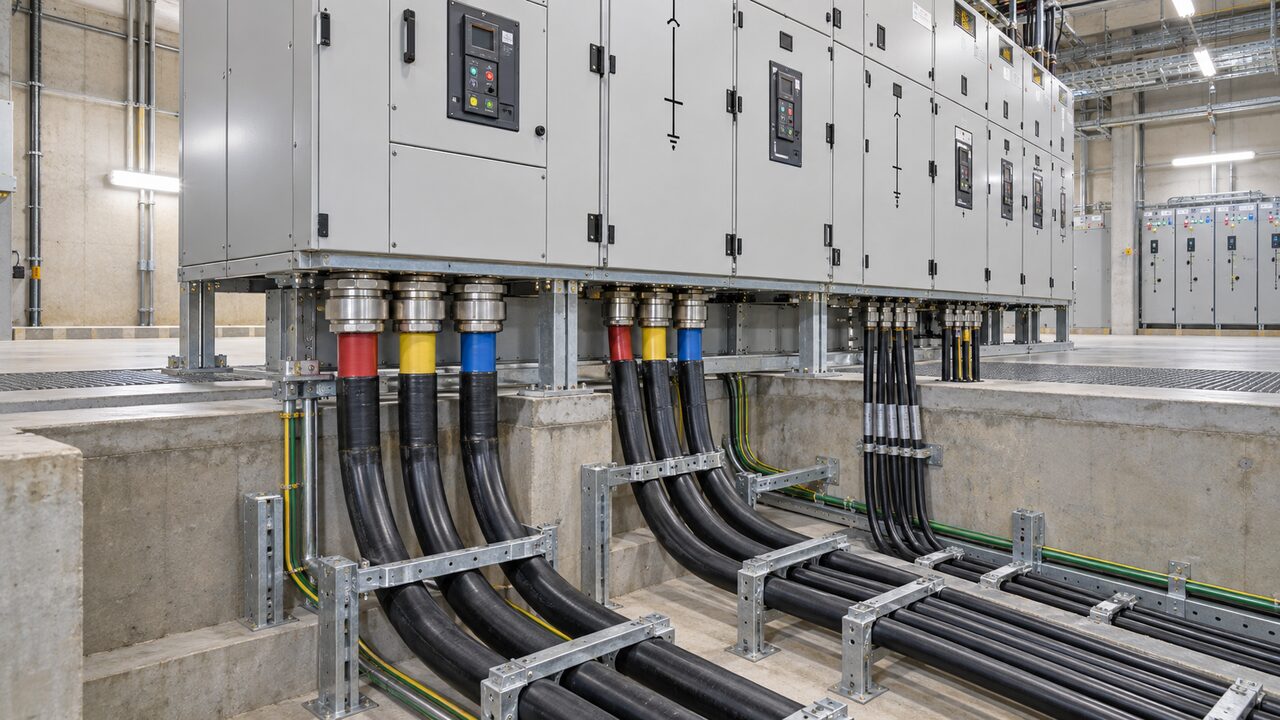
The datasheet is not a marketing summary. It is the reference used by the transformer manufacturer, civil designer, switchgear supplier, protection engineer, commissioning team and document controller. It should identify the rating, voltage ratio, frequency, vector group, impedance, tap method, insulation levels, cooling arrangement, temperature rise, dimensions, weight, accessories and applicable tests.
For an EPC project, the document should also state which values are guaranteed and which remain subject to final design. If the schedule says “33 kV class” without the highest system voltage or impulse withstand level, the manufacturer cannot safely freeze bushings and clearances. If “OLTC” is shown without tap range, neutral position and control voltage, the control panel and protection cause-and-effect remain incomplete.
Start with the approved single-line diagram and utility connection requirements. Confirm incoming voltage, frequency, fault level, grounding method, phase sequence and metering boundaries. The transformer ratio must match the real network, not an early feasibility drawing. Any utility-specific requirements should be attached to the approval record, with revision numbers visible.
Check bushing type, cable box orientation, terminal size, phase spacing, neutral access and the physical route to the switchgear. A transformer can be electrically correct and still create a site problem when the cable bend radius does not fit the provided box. Review the substation cable interface schedule together with the transformer GA drawing.
Rated current is only one input. Motor starting, harmonic current, cyclic loading and generator operation may change the thermal and voltage-drop duty. The protection engineer needs CT ratios, accuracy class, neutral CT arrangement, alarm contacts, trip contacts and the transformer impedance used in the short-circuit study. These data should be frozen before relay settings are issued.
| Datasheet item | Why it matters | EPC approval check |
|---|---|---|
| Voltage ratio and tap range | Controls bus voltage, insulation and tap control | Match utility letter, SLD and load-flow study |
| Impedance and fault level | Affects motor starting and protection coordination | Use the value in the approved short-circuit model |
| Cooling and temperature rise | Determines room size, noise and operating margin | Check ambient, altitude, ventilation and fan supply |
| Terminals and cable box | Controls construction access and cable stress | Coordinate GA drawing, cable schedule and switchgear layout |
| Accessories and contacts | Drives SCADA, alarms and commissioning tests | Confirm contact logic, voltage and marshalling terminals |
Use a simple approval code such as IFR, IFA and AFC, and keep the same revision on the datasheet, GA drawing, schematic, foundation drawing and purchase order. When one value changes, the document controller should identify every affected drawing. A silent replacement of a PDF is not an engineering approval.
During our design review, we normally compare the transformer datasheet against the load schedule, protection study and cable interface drawing line by line. This catches common errors: a tap changer shown on the SLD but not on the offer, a control voltage that does not match the EPC panel, or an enclosure dimension that ignores radiator removal space.
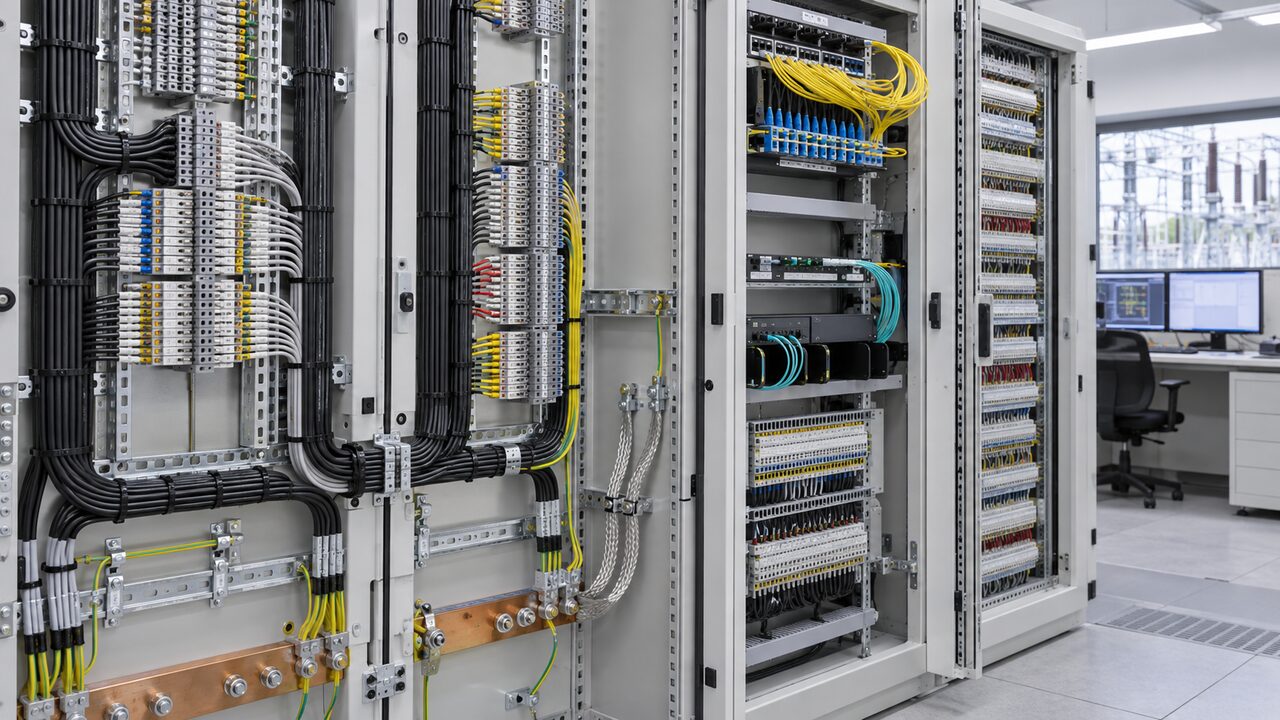
Once the datasheet is approved, the FAT procedure should reference the same rating and test basis. Routine tests, ratio and polarity, winding resistance, impedance, losses, dielectric tests and accessory functional checks must identify the exact serial number and tap position. If a guaranteed value is revised after production release, record the commercial and technical impact before testing.
For third-party inspection, include witness points, notice periods, approved drawings and the document list in the inspection and test plan. The transformer manufacturing scope and the EPC project supply interface should point to the same approved configuration.

The final dossier should include the approved datasheet, GA and foundation drawings, wiring diagrams, FAT report, calibration records, oil certificates where applicable, packing list, installation instructions and commissioning records. At site, verify nameplate data, tap position, earthing, cable terminations, alarm and trip circuits, oil level, breather condition and clearances before energisation.
Zisheng Electric supports EPC contractors with oil-immersed transformers, power transformers, dry-type transformers, compact substations and related distribution equipment. Send the single-line diagram, load schedule, transformer datasheet, project

specification and site conditions. Our engineering team will review the requirements and respond to project inquiries within 24 hours.

Build a transformer site storage plan for EPC projects covering receipt, preservation, moisture control, inspection records, escalation and installation release.
View details
Plan transformer noise control for EPC substations by coordinating equipment sound, layout, foundations, ventilation, factory verification and site acceptance across supplier and project interfaces.
View details
Plan transformer seismic qualification for substations with site spectra, structural evidence, anchorage coordination, accessory checks and documented site release.
View details
Build a transformer protection interface matrix covering CTs, relays, trips, alarms, SCADA, auxiliary power, FAT and commissioning responsibilities.
View details