 zishengelectric





news
News Center
Providing high-quality power to the world
Search productSearch post
news
Providing high-quality power to the world
A transformer can arrive with complete test reports and still leave the operating team exposed to a long outage. The missing item may be a compatible temperature indicator, a documented gasket set or a clearly identified bushing. From Zisheng Electric’s engineering perspective, a transformer spare parts list should connect each replaceable component to the actual equipment supplied. A catalogue description and a quantity are not enough.
For an EPC contractor, this is a handover deliverable with electrical, mechanical and commercial interfaces. The owner needs to know what fits, where it is stored, what condition it is in and who can authorize its use. This guide explains how to review that package without confusing spare-parts availability with permission to repair energized equipment.
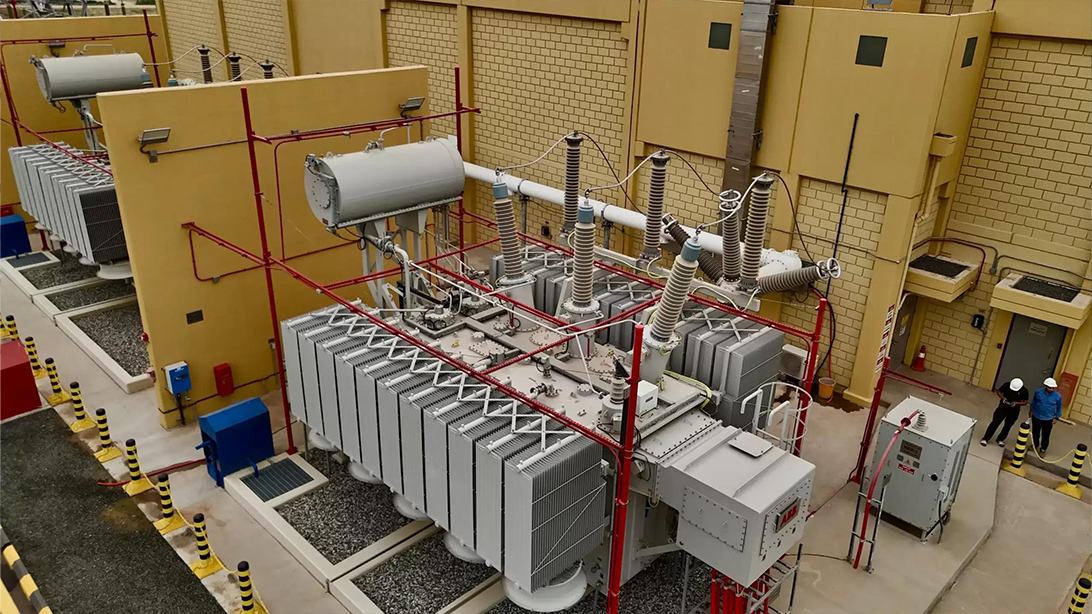
Start with the transformer asset tag, manufacturer’s serial number, approved datasheet and final bill of materials. A purchase-order model name may cover several accessory arrangements. The final fitted component, including its option code and drawing revision, is the reference for replacement.
The list should distinguish installed quantity, commissioning allowance and operating stock. A component removed for transport is part of the main supply, not an additional spare. Count it incorrectly and the project appears fully stocked until the installation team takes it from the warehouse.
Each line needs the component manufacturer, full part number, descriptive name, applicable transformer tags, quantity, unit of measure and supporting drawing. Add the serial number where the component is individually tracked. Record an approved successor part separately; silently replacing the original number destroys the history.
This matters even when comparing 10 kV-class oil-immersed distribution transformers from the same product family. Similar ratings do not prove that terminal arrangements, cooling equipment or monitoring accessories are identical. Check the supplied configuration, not a product photograph.
Commissioning materials cover the approved installation work scope. Operational spares cover credible failures after handover. Strategic spares address components whose replacement could require a long procurement or transport period. These categories have different budgets, storage needs and release authorities.
Do not assign quantities using one percentage of transformer value. A low-cost control component can prevent operation, while an expensive assembly may have an acceptable replacement route. Review failure consequence, system redundancy, procurement lead time, replacement skill and the owner’s acceptable outage duration together.
For a remote project, compare the confirmed replenishment route with the restoration requirement. Include technical approval, manufacture, inspection, export documentation, customs clearance and inland transport. A supplier’s dispatch estimate is not the same as delivery to the maintenance store. No universal stock quantity can replace that assessment.
| Spare category | Main project risk | Engineering and procurement check |
|---|---|---|
| Commissioning consumables | Installation uses stock intended for operation | Separate quantities and require replenishment before handover. |
| Routine operational spares | A minor accessory failure blocks monitoring or cooling | Confirm fitted model, failure consequence and local replacement capability. |
| Long-lead critical spares | Procurement time exceeds the permitted outage | Document current lead time, approved alternatives and storage responsibility. |
| Shared fleet spares | One item is assumed to fit several different units | Approve an interchangeability matrix by asset tag and configuration. |
| Special tools and test accessories | A spare arrives but cannot be fitted or checked | Identify required tools, competent personnel and OEM instructions. |
| Transport-removed components | Main equipment is incorrectly counted as spare stock | Reconcile shipment contents with installation and spare-parts packing lists. |
An approved interchangeability matrix should identify which items can serve which transformers and what restrictions apply. Record approval by the responsible design authority. Purchasing may propose an alternative, but a price or delivery advantage is not technical acceptance.
For a replacement bushing, request confirmation of electrical ratings, insulation coordination, terminal details, flange dimensions and the internal connection arrangement against the transformer drawing. Similar external appearance does not establish suitability. External clearances and the space needed for installation also belong in the review.
For a seal or gasket, identify the material specification, dimensions, location and approved insulating-fluid compatibility. An item that physically fits may still be unsuitable for its service conditions. Obtain the manufacturer’s replacement instructions, including the associated inspection requirements, rather than improvising material or tightening practices.
The same discipline applies to 20 kV-class oil-immersed transformer configurations. A shared product description does not make accessories interchangeable with another voltage class or another manufacturing revision. Keep equivalence decisions at component level.
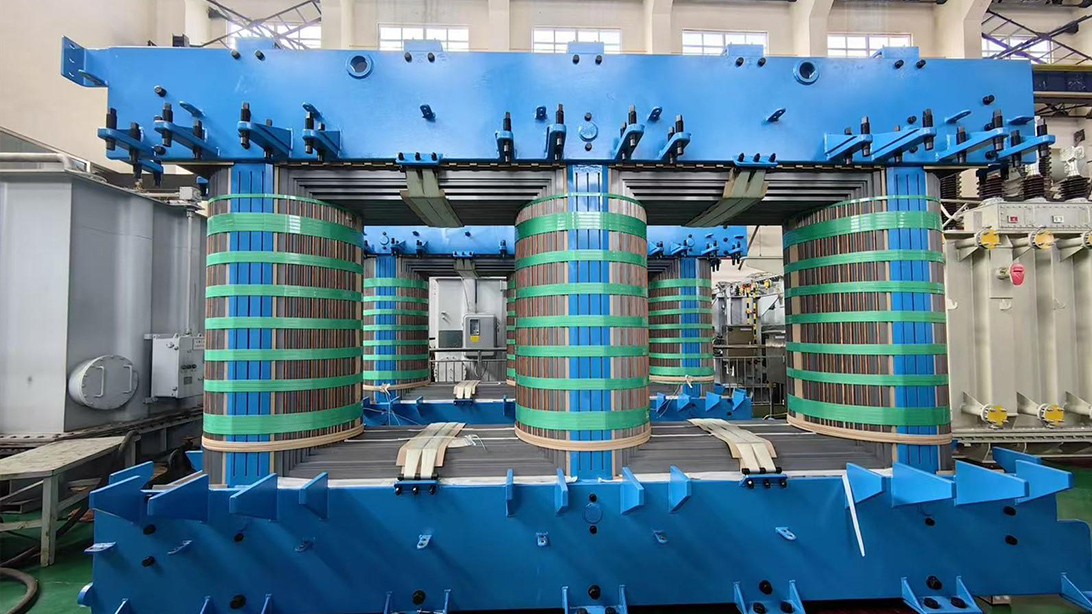
A temperature instrument requires more information than its scale range. Check the sensing arrangement, mounting, cable or capillary requirements, output signal, supply requirements and interface with the existing panel. A correct reading at the instrument is not proof of correct indication in the control room.
A useful manufacturer-specific example is the MESSKO EI100/EI160 operating manual: the display uses a 4–20 mA input and a nominal 24 V DC supply, with connection requirements defined for the instrument. This illustrates why a purchase description such as “temperature display” is incomplete; it is not a specification for every transformer indicator.
For switched alarms and cooling controls, confirm the circuit duty and contact requirements against the approved wiring diagram. Fan replacements need an agreed mechanical and electrical match. Do not assume that matching motor power alone establishes equivalent airflow or cooling performance. Any substituted item needs a documented review before release.
The spare-parts schedule should be reviewed alongside the equipment drawings and the owner’s maintenance requirements. The table below is a review framework, not a mandatory list for every transformer. Equipment without fans, conservators or particular monitoring functions will have a different scope.
| EPC interface | Common risk | What should be confirmed |
|---|---|---|
| Asset register ↔ spare schedule | Correct spare assigned to the wrong transformer | Asset tag, transformer serial number, component part number and revision. |
| Instrument ↔ control panel | Replacement signal or contact duty is incompatible | Supply, input/output type, terminal allocation and approved circuit drawing. |
| Bushing ↔ transformer tank | Electrical or mechanical mismatch | OEM-approved ratings, mounting drawing and internal connection details. |
| Seal ↔ insulating fluid | Incorrect material causes an unsuitable replacement | Approved material, fluid compatibility, dimensions and storage limits. |
| Packing list ↔ warehouse | Loose items cannot be traced after unpacking | Package number, item label, quantity and storage location. |
| Maintenance team ↔ service provider | Stock exists but replacement cannot proceed | Competence, tools, instructions and responsibility for post-work checks. |
Give every unresolved row an owner and due date. “Supplier to confirm” is not a closed action. Where a proposed substitute changes a drawing or procedure, update the affected documents together. Otherwise the warehouse can hold the new part while the maintenance team continues using the old instructions.
Specify storage requirements at procurement, not when a container is opened. Ask for permissible storage conditions, packaging limitations, inspection intervals and any shelf-life or preservation requirements for the actual component. Some items can remain in protective packaging; others need specific handling or periodic checks. Follow their instructions individually.
Separate storage limits from operating limits. An accessory that survives its normal installed environment may still need protected storage before installation. The MESSKO manual, for example, treats storage and transport separately from operation. Do not copy one instrument’s temperature range or inspection interval into the entire transformer spare-parts schedule.
Keep labels legible without opening every package. Record the component identity, associated asset, packing date, preservation instruction and receiving status. Quarantine damaged, unidentifiable or suspect items until the responsible engineer decides their disposition. A warehouse quantity is only useful when the condition and identity of that quantity are known.
For projects exposed to humidity, dust or coastal contamination, use the documented site conditions to specify suitable storage arrangements. This is a project input, not a reason to assume every site in a country has the same climate. Agree who inspects the stock if energization or handover is delayed.
During the agreed factory acceptance review, compare accessible component identification with the final bill of materials. Resolve deviations before the spare package is sealed. Confirm which spare items require individual certificates, functional checks or manufacturer documentation under the contract. Do not imply that a spare automatically passed every test performed on the complete transformer.
Photographs of labels can support traceability, but they do not replace part numbers, drawings or acceptance records. Where a component is supplied later, maintain an open action with its expected delivery and required evidence. Closing the transformer FAT should not make that outstanding spare disappear from the project register.
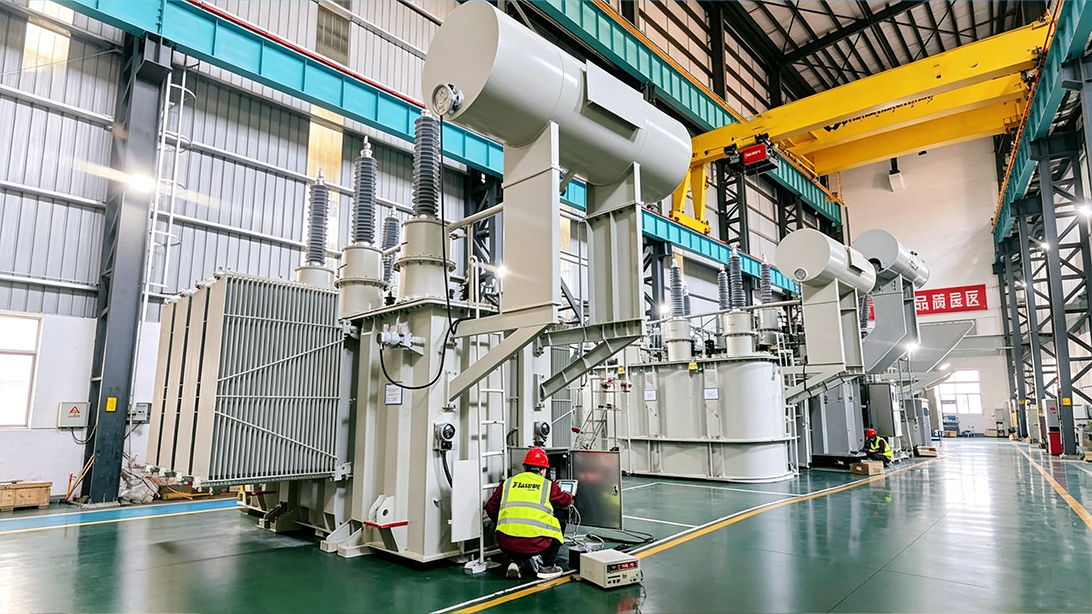
Reconcile the received packages against both the spare schedule and the main-equipment packing list. Record missing quantities, transport damage and label discrepancies before releasing items into available stock. Assign a store location that the operating team can actually find; “delivered to site” is not an inventory location.
The handover record should identify the owner’s custodian, the EPC contact for unresolved items and the manufacturer’s technical contact. Include the approved list, interchangeability matrix, preservation records, certificates required by contract and applicable instructions. Electronic files need recognizable names and revision control, not only a folder containing scanned documents.
Zisheng Electric’s broader guidance on an EPC transformer after-sales support system addresses the service framework. For the spare-parts package, keep the deliverable measurable: accepted items, recorded condition, assigned custody and a documented route for replenishment. Confirm project-specific response and logistics commitments in the contract.
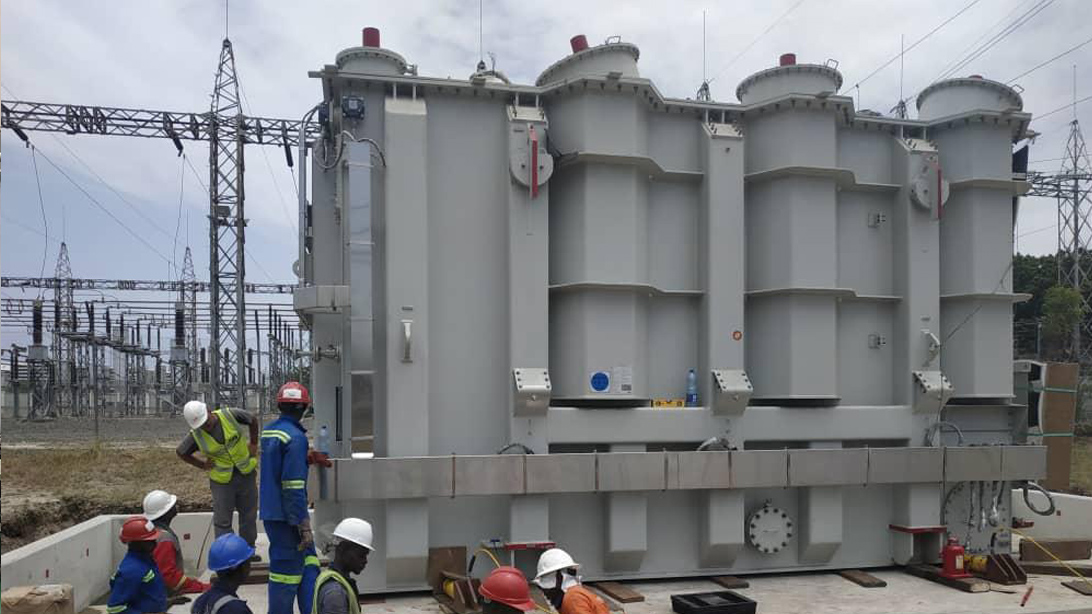
Consider a hypothetical project with two transformers and a proposal to hold one shared temperature display. The faceplates look similar. Before accepting common stock, compare the complete instrument codes, signal ranges, supply requirements, mounting and panel connections. Also check whether either unit has a different accessory revision.
If the documented interfaces match and the design authority approves sharing, one item may be eligible for either asset. That still does not prove one is the right stock quantity. The owner must consider simultaneous demand, the time to replenish the item and the consequence of operating without the affected function.
If any interface remains unresolved, list the items separately until equivalence is confirmed. Do not buy an adapter or alter a protection circuit merely to make available stock fit. Replacement work and return-to-service checks belong to qualified personnel under the approved isolation, maintenance and manufacturer procedures.
A useful enquiry includes the transformer datasheet, asset and serial numbers, final accessory list, relevant drawings, nameplate photographs and proposed spare quantities. Add the destination, expected storage period, site conditions and required handover date. State whether the request covers commissioning materials, operating spares or long-lead contingency stock.
Zisheng Electric supplies oil-immersed transformers and related distribution equipment, with technical support and spare-parts assistance for the agreed project scope. A transformer spare parts list tied to the supplied configuration gives the engineering review a reliable starting point. Availability, compatibility, delivery time and any site-service arrangements must be confirmed for the actual enquiry.
Send the transformer datasheet, component identification and project requirements for technical matching based on capacity, voltage level, environmental conditions and specification. Our engineering team will review the requirements and respond to project inquiries within 24 hours. This is an initial inquiry response, not a promise of shipment or on-site attendance within that period.

Factory-Direct Transformer Supply for Global EPC Projects For an EPC contractor, choosing a transformer supplier is rarely just about line items on a datasheet. The manufacturer standing behind the equipment has a direct bearing on how smoothly de...
View details
Specify a transformer oil preservation system for EPC projects, covering conservator sizing, bladder selection, breathers, oil-level alarms, FAT, transport, site assembly and commissioning evidence.
View details
Build a transformer protection interface matrix for EPC substations by coordinating CT data, relay functions, breaker trips, SCADA signals, secondary injection and end-to-end commissioning.
View details
Plan transformer oil containment design for EPC substations by coordinating oil inventory, bund capacity, drainage, fire strategy, civil interfaces, construction inspection and pre-energization acceptance.
View details