 zishengelectric





news
News Center
Providing high-quality power to the world
Search productSearch post
news
Providing high-quality power to the world
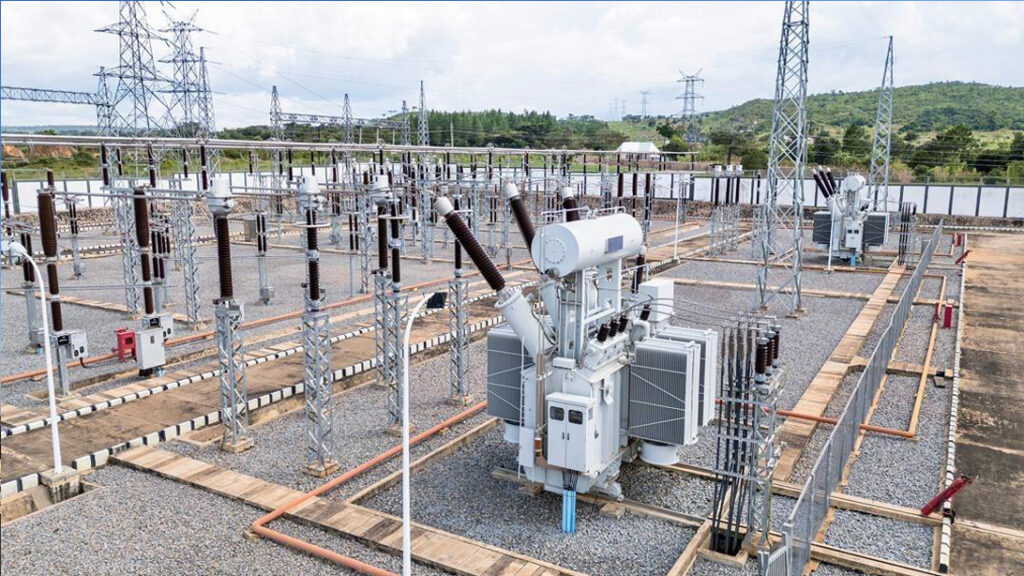
Over the years working on projects across Africa, the question customers ask most frequently is no longer:
“Do you have electricity?”
It has become:
“Can the equipment operate reliably for the long term?”
In 2025, Zisheng Electric followed up on an industrial park power distribution project in East Africa. The owner’s requirement list was very simple:
“Need several transformers to supply power for the factory.”
The technical parameters also appeared normal:
However, after our engineers conducted an on-site inspection, we found that the real challenges were not related to capacity at all. The actual problems were:
If we supplied equipment according to conventional parameters, the transformer could still be installed and commissioned successfully.
But whether it would continue operating reliably three years later?
Nobody could guarantee that.
This project made us realize:
The African transformer market is shifting from a “price competition” to a “survival capability competition.”
Customers are no longer only asking:
“How much does one transformer cost?”
They are asking:
“Can this transformer withstand ten years of operation in our environment?”
In 2026, with the rapid growth of renewable energy integration, aging grid upgrades, mining development, and manufacturing expansion, Africa is becoming one of the fastest-growing transformer demand regions in the world.
Below, we summarize Zisheng Electric’s experience from multiple African projects and analyze transformer requirements by application scenario, aiming to clearly explain both the risks and the solutions.
Over the past decade, the key word in Africa’s power market was:
“Electrification” — bringing electricity access to more households and factories.
Today, the key words have become:
“Reliability” and “Efficiency.”
Based on the African projects we have participated in, customer requirements are mainly changing in three directions:
These applications require:
Many African countries have distribution networks and transformers installed decades ago.
These aging systems face:
These changes are directly reflected in transformer demand.
The market is no longer based on a single product category, but on a combination of:
The following summary is based on projects we have followed in recent years and does not represent every market situation.
| Driving Factor | Typical Application Scenario | Main Transformer Demand | Capacity Range |
|---|---|---|---|
| Solar / Wind Power Projects | Large-scale ground-mounted plants in North Africa and East Africa | Step-up transformers, PV pad-mounted transformers | 1000kVA–3150kVA |
| Urban Distribution Upgrade | Cities in South Africa, Nigeria, Kenya | Oil-immersed distribution transformers | 250kVA–1000kVA |
| Rural Electrification | Remote areas in Sub-Saharan Africa | Pole-mounted distribution transformers | 50kVA–250kVA |
| Industrial Parks | Ethiopia, Tanzania, Ghana | Industrial power transformers | 1600kVA–5000kVA |
| Mining Power Supply | DRC, Zambia, South Africa | Large industrial transformers, mining transformers | 2500kVA–10000kVA |
| Commercial Buildings / Data Centers | Nairobi, Lagos, Cape Town | Dry-type transformers | 800kVA–2500kVA |
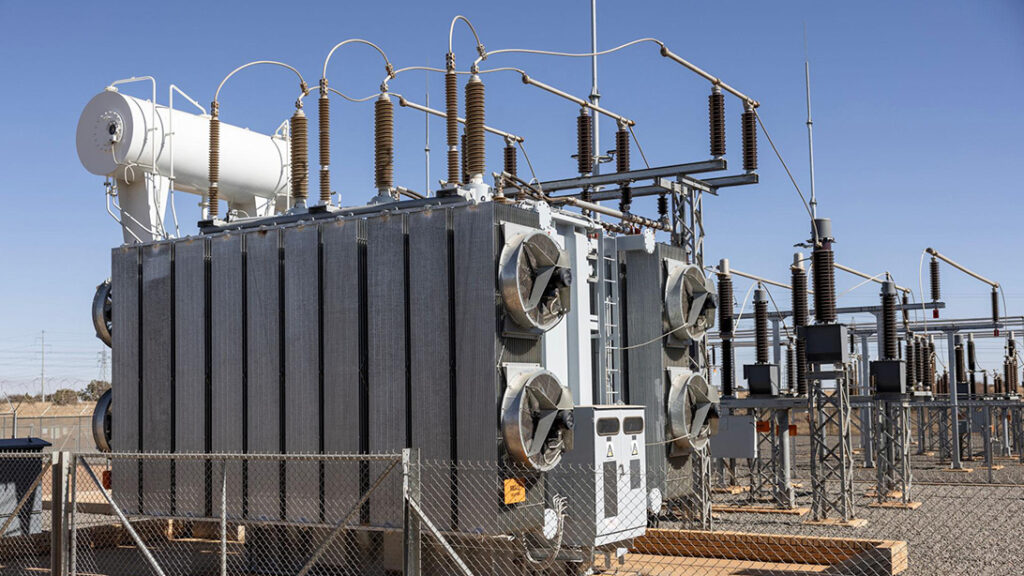
Africa has some of the world’s best solar irradiation and wind resources. In 2026, large-scale solar and wind projects are widely being developed in countries such as Egypt, South Africa, Morocco, and Kenya.
A 100MW photovoltaic power plant typically requires dozens of skid-mounted step-up transformer substations to collect low-voltage electricity and step it up to 33kV or 132kV for grid connection.
Zisheng Electric’s approach in a solar project in South Africa’s Northern Cape Province:
The project site experiences summer temperatures up to 45℃, along with year-round dust and sand conditions.
During the initial selection stage, the owner only specified:
“35kV/0.6kV, 2000kVA, oil-immersed type.”
However, after our engineers conducted an on-site survey, we focused on three key improvements:
We increased the transformer oil tank radiator area by 18% compared with conventional designs.
Additional measures included:
At the same time, instead of simply following the conventional top oil temperature rise limit of 55K, we redesigned the transformer with additional temperature margin to ensure long-term operation under extreme heat conditions.
The dust particles in the project area were extremely fine.
Conventional breathers could easily become blocked, allowing moisture and contaminants to affect transformer oil quality.
Therefore, we adopted a:
Fully sealed corrugated oil tank structure
with no oil conservator.
The corrugated tank uses the elastic expansion and contraction of the corrugated plates to compensate for oil volume changes caused by temperature variations, completely preventing external dust and moisture from entering the transformer.
The project site elevation was approximately 1200 meters.
Although this is not considered a high-altitude environment, we still increased the external insulation creepage distance according to the principle of:
8% correction for every 1000 meters of altitude increase.
We also increased the tap changer switching capacity to better handle grid voltage fluctuations.
Since commissioning, the equipment has been operating for more than one year without any shutdown caused by high temperature or dust conditions.
Later, the owner told us that another project section using conventional transformer configurations had already experienced two over-temperature alarms during the summer.
Photovoltaic power plants are highly sensitive to energy losses because they directly affect power generation revenue.
Recommended options:
No-load losses can be reduced by approximately 60%–70%.
Over the entire equipment lifecycle, the saved electricity cost can be substantial.
Renewable energy plants usually experience higher short-circuit current levels.
Recommended:
Short-circuit impedance ≥6.5%
(compared with the conventional 6%)
This improves the transformer’s ability to withstand short-circuit impact and enhances system stability.
For outdoor PV box-type transformers:
Additional measures:
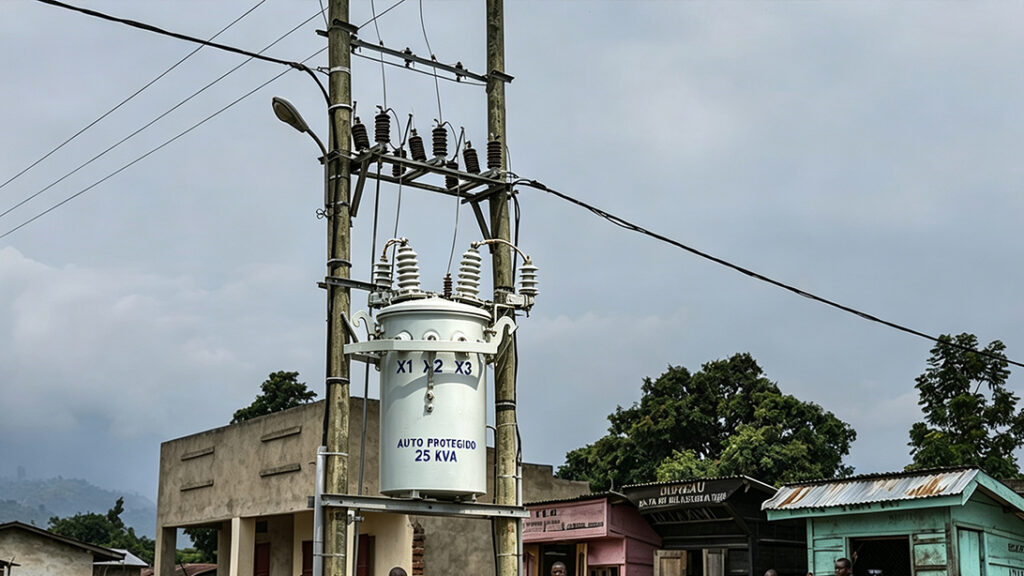
Africa still has hundreds of millions of people living in areas with limited access to electricity. Governments and international organizations continue to promote electrification projects for remote villages.
These projects are usually small in terms of individual capacity, but they involve large quantities and wide coverage.
Commonly used transformers include:
50kVA, 100kVA, and 200kVA oil-immersed distribution transformers
They are often installed:
However, these projects share one common challenge:
Extremely limited maintenance capability.
We encountered a rural distribution project in Tanzania where the local electrician had only:
Whenever the transformer had even a minor issue, they had to wait for technicians from the provincial capital.
The round trip alone could take two to three days.
Therefore, the equipment must be:
We use weather-resistant steel for the oil tank and increase the tank wall thickness to:
4mm
(compared with the conventional 3mm)
This improves resistance against:
This design is mainly applied to:
Small and medium-capacity distribution transformers
Generally:
≤2500kVA
The low-voltage output terminals adopt:
This prevents:
Transformer nameplates include:
This helps local operators understand:
These details add very little cost, but in real operating environments, they can extend transformer service life by several years.
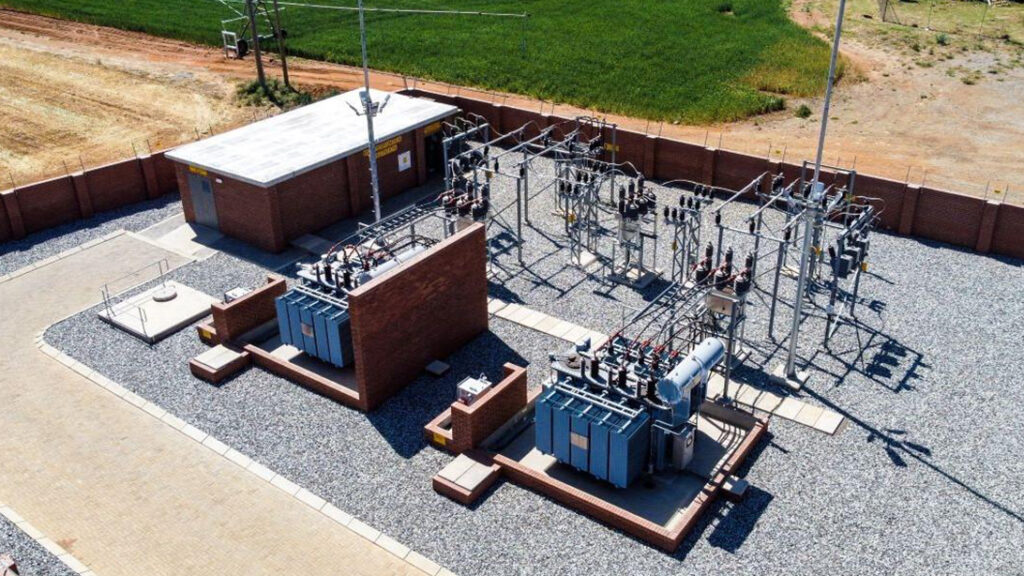
Africa’s copper and cobalt mining belts (DRC and Zambia) and gold and diamond producing regions (South Africa and Ghana) have extremely high dependence on reliable power supply.
Mining loads typically feature:
The project required a:
33kV/6.6kV, 3150kVA industrial transformer
to supply power for a large ball mill.
The owner provided a technical specification, but during our engineering review, we identified two major issues:
The mining area was supplied by an aging hydropower station.
Frequency fluctuations could reach:
±2Hz
Under this frequency variation, conventional transformers would experience increased losses and higher temperature rise.
The ball mill starting current reached:
6 times the rated current
Frequent daily starts and stops created significant mechanical stress on the transformer windings.
We reduced the magnetic flux density in the electromagnetic design by:
5%
and increased conductor cross-sectional area.
This provided greater temperature rise margin when operating under frequency fluctuations.
The windings adopted:
This improved:
During factory acceptance testing, we added:
The purpose was to verify reliability under actual mining operating conditions rather than only standard laboratory conditions.
The transformer has now been operating for two years.
During this period, it has experienced:
No overheating or insulation failures have occurred.
Later, the mining company placed an additional order for two more transformers with the same specifications.
Mining operations often experience:
120%–130% short-term overload
Therefore, transformer capacity should generally be selected based on:
1.2 times the calculated load
to provide sufficient margin.
Recommended:
Copper conductors
Avoid aluminum windings in demanding industrial applications.
Reasons:
For areas with severe grid fluctuations:
On-load tap changers (OLTC)
are recommended.
They can adjust voltage online without shutting down the system, helping prevent production interruptions caused by unstable supply voltage.
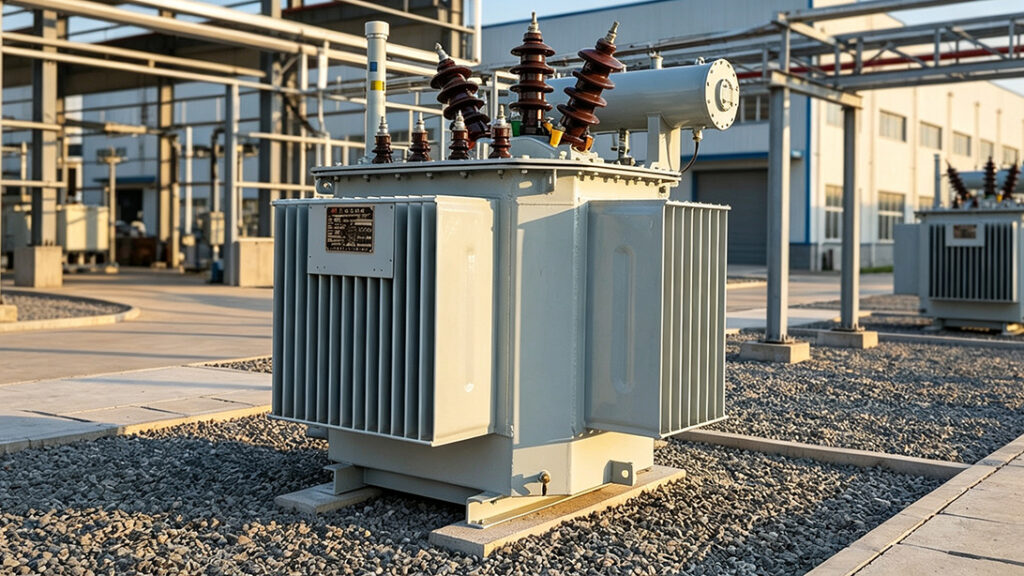
Many transformers imported into Africa fail not because of poor quality, but because the selection does not match the local microclimate conditions.
We have summarized Africa’s major environmental conditions and recommended solutions in the following table. It can be directly used as a reference during project selection.
| Environmental Type | Typical Regions | Main Risks | Zisheng Electric Recommended Solutions |
|---|---|---|---|
| Hot and Dry Desert Climate | Sahara surrounding areas, Namibia | Daytime temperature >45℃, large day-night temperature difference, sandstorms | Increase radiator area (+20%), fully sealed oil tank, high-efficiency dust filters, outdoor protection rating IP55 |
| Hot and Humid Coastal Climate | Gulf of Guinea in West Africa, East African coastal areas | Year-round humidity >85%, salt spray corrosion | Anti-corrosion coating up to C4 level (hot-dip galvanizing + epoxy topcoat), stainless steel fasteners, EPDM rubber sealing rings |
| Highland Mild Climate | East African highlands (Kenya, Ethiopia) | Altitude above 2000m, reduced air density, poor heat dissipation | Correct insulation distance and temperature rise limits according to altitude (capacity reduction approximately 5%–8% per 1000m), increase capacity level when necessary |
| Rainforest High-Humidity Climate | Congo Basin in Central Africa | Heavy rainfall, near-saturated humidity | Enhanced enclosure sealing (IP55), cable sealing modules for all cable entries, internal anti-condensation heaters |
| Urban Commercial Environment | Major city centers | Limited space, strict fire protection requirements, noise sensitivity | Dry-type transformers (SCB13 or above), low-noise fans (≤55dB), sound insulation enclosure |
In many North African projects, customers require transformers to operate under:
-5℃ to 50℃ ambient temperature conditions.
Our approach is:
Design according to:
50℃ temperature rise conditions
and apply:
Even if the actual temperature slightly exceeds expectations, sufficient safety margin remains.
Returning to the East African industrial park project mentioned at the beginning.
After arriving at the site, in addition to collecting weather data and grid information, we carried out several additional investigations:
We used infrared thermometers to measure the surface temperature of nearby transformers already in operation.
The results showed:
The actual temperature rise was generally 8–10K higher than the values indicated on nameplates.
This proved that the local heat dissipation conditions were worse than standard design assumptions.
We learned that the local:
10kV bus voltage
was continuously higher than normal and could reach:
11.2kV
Therefore, the tap changer position needed to be recalculated and adjusted.
We visited surrounding factories and reviewed:
The main accident cause identified was:
Lightning-induced trips.
Based on these findings, the final solution submitted to the customer included several improvements compared with the original specification:
Transformer capacity was increased from:
2500kVA
to:
2750kVA
(The actual electromagnetic design was based on 3000kVA capability, while the nameplate rating was set at 2750kVA to provide overload margin.)
Added:
Added:
Rain protection covers on the top of the oil tank
to prevent rainwater from entering through the breather.
Provided additional:
Because these components are difficult to obtain locally.
These modifications increased procurement cost by less than 5%, but prevented potential downtime losses several times higher.
During acceptance, the customer commented:
“Your engineers considered details more thoroughly than our own engineering team.”
| Country | Main Opportunities | Demand Characteristics | Selection Considerations |
|---|---|---|---|
| South Africa | Solar, wind power, commercial & industrial energy storage, distribution network upgrades | Strict standards, IEC or SANS compliance required, strong focus on efficiency levels | Provide complete type test reports; transformer loss limits are demanding |
| Egypt | Large-scale solar plants, New Administrative Capital construction | Strong demand for large step-up transformers and dry-type transformers | Pay attention to dust protection and extreme summer temperatures (50℃) |
| Nigeria | Urban distribution upgrades, private power plants, commercial buildings | Large demand for distribution transformers, but budget sensitivity is high | Cost performance is important, but protection level cannot be compromised (especially coastal humidity) |
| Kenya | Geothermal, wind power, data centers, office buildings | Many foreign-invested projects require IEC standards and equipment traceability | Dry-type transformers are increasingly used in urban indoor applications |
| Ethiopia | Industrial parks, hydropower transmission supporting projects | Concentrated industrial loads, voltage levels commonly 33kV/15kV | Consider high altitude conditions (Addis Ababa altitude approximately 2300m) |
| Ghana / Côte d’Ivoire | Mining, cocoa processing plants, port power supply | Mining and port equipment requires salt spray resistance and moisture protection | Minimum corrosion protection level C4, preferably C5 |
| Democratic Republic of Congo | Large-scale copper and cobalt mining development | Large industrial transformers requiring extremely high reliability and overload capability | Mineral oil transformers should consider fire resistance requirements in mining areas |
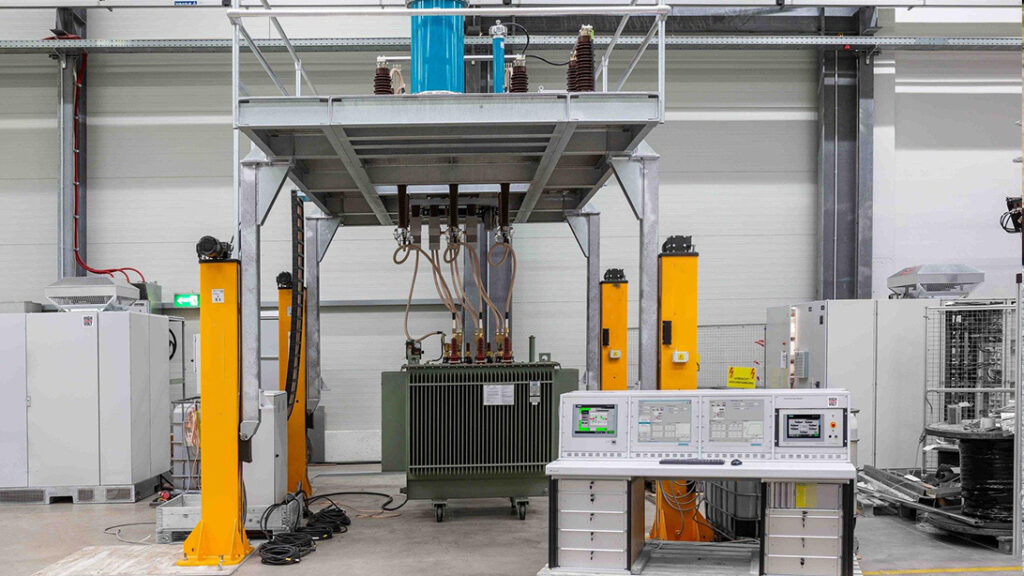
We have observed a very clear change in the African market.
Especially among EPC contractors and private enterprise customers, supplier evaluation now includes an additional “hidden scoring sheet”:
| Evaluation Dimension | Past Focus | Current Focus |
|---|---|---|
| Price | Focused mainly on initial cost and aggressive price negotiation | Total procurement cost + operation and maintenance cost + end-of-life disposal cost |
| Standards Compliance | Verbal commitments were often accepted | Require third-party type test reports (such as KEMA, CESI, etc.) |
| Environmental Adaptability | Not mentioned or only briefly specified | Require environmental condition verification calculations and customized design documents |
| Delivery Schedule | Flexible acceptance range | Clear delay penalties, as logistics and customs delays can cause significant losses |
| After-sales Service | Considered optional | Require local spare parts storage or technical support agreements, with at least 24-hour response capability |
| Maintainability | Usually ignored | Require detailed maintenance manuals and tool lists so local electricians can perform basic operations |
To better serve the African market, we have established:
This allows us to provide faster support to surrounding countries.
At the same time, every transformer exported to Africa is supplied with a:
“Field Quick Diagnosis Guide”
The guide uses diagrams to explain:
Even without professional engineers on-site, local electricians can follow the guide to quickly identify problems and take initial action.
When preparing technical bids or procurement specifications, we recommend confirming each item below:
☑ Has the project obtained data on:
☑ Transformer installation location:
Has the foundation condition been evaluated?
☑ Grid conditions:
☑ Load characteristics:
Are there:
☑ Is:
required?
☑ Are there special noise requirements?
Examples:
☑ Is:
IEC 60076 full series type testing
required?
Is:
third-party witnessing
required?
☑ Transportation conditions:
verified?
☑ Are site installation conditions ready?
Including:
☑ Are local utility certifications required?
Examples:
☑ Have:
been confirmed with the customer in advance?
The African transformer market is undergoing a transformation:
From:
“quantity-driven growth”
to:
“quality-driven growth.”
In 2026, opportunities are increasing rapidly.
However, the companies that truly succeed will not necessarily be those offering the lowest prices.
They will be the partners who:
Zisheng Electric’s positioning in the African market has never been simply:
“selling a transformer.”
Our goal is to participate earlier in projects:
When equipment operates reliably after commissioning and customers have fewer problems to solve, the value becomes clear.
Our products include:Oil-immersed transformers、Substation transformers、Packaged transformers、Pole-mounted transformers、Dry-type transformers、Other power distribution equipment。The company owns:22 utility model patents;3 software copyrights;and has passed:ISO9001 certification;ICE audit.
For transformer selection recommendations, technical specifications, or tender document support for African projects, please provide:
The Zisheng Electric technical team will provide an initial response within 24 hours.
Think one step further in the early stage, save ten trips to the site later.
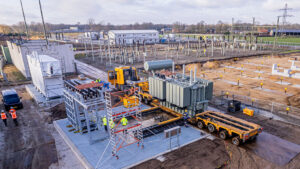
Evaluate transformer suppliers before tendering with an EPC checklist covering design, manufacturing, quality records, testing and site support.
View details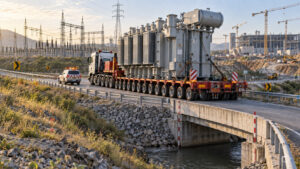
Learn how EPC teams plan transformer logistics route surveys, including shipping dimensions, axle loads, bridge capacity, turning radius, site access and offloading requirements.
View details
Plan transformer operator training for EPC handover with role-based sessions, current equipment records, practical scenarios and assessment evidence.
View details
Build a transformer SFRA baseline package for EPC handover: align test configurations, preserve raw files and resolve comparison gaps before release.
View details