 zishengelectric



news
News Center
Providing high-quality power to the world
Search productSearch post
news
Providing high-quality power to the world
Zisheng Electric works with EPC teams that need transformer FAT evidence to match the equipment design and contract. A tank leak test can look simple on a schedule, yet the phrase may refer to different procedures: an oil-tightness check, a pressure test, a vacuum test, or a combined sequence. The first review task is to name the exact test and its boundary.
IEC 60076-1:2011 includes vacuum, pressure, and leak tests on transformer tanks in its general requirements. That reference does not make one set of pressure, vacuum, hold-time, or allowable-leakage values universal for every tank design. The purchaser’s specification, transformer construction, OEM procedure, and agreed FAT programme must define what is tested and how results are judged.
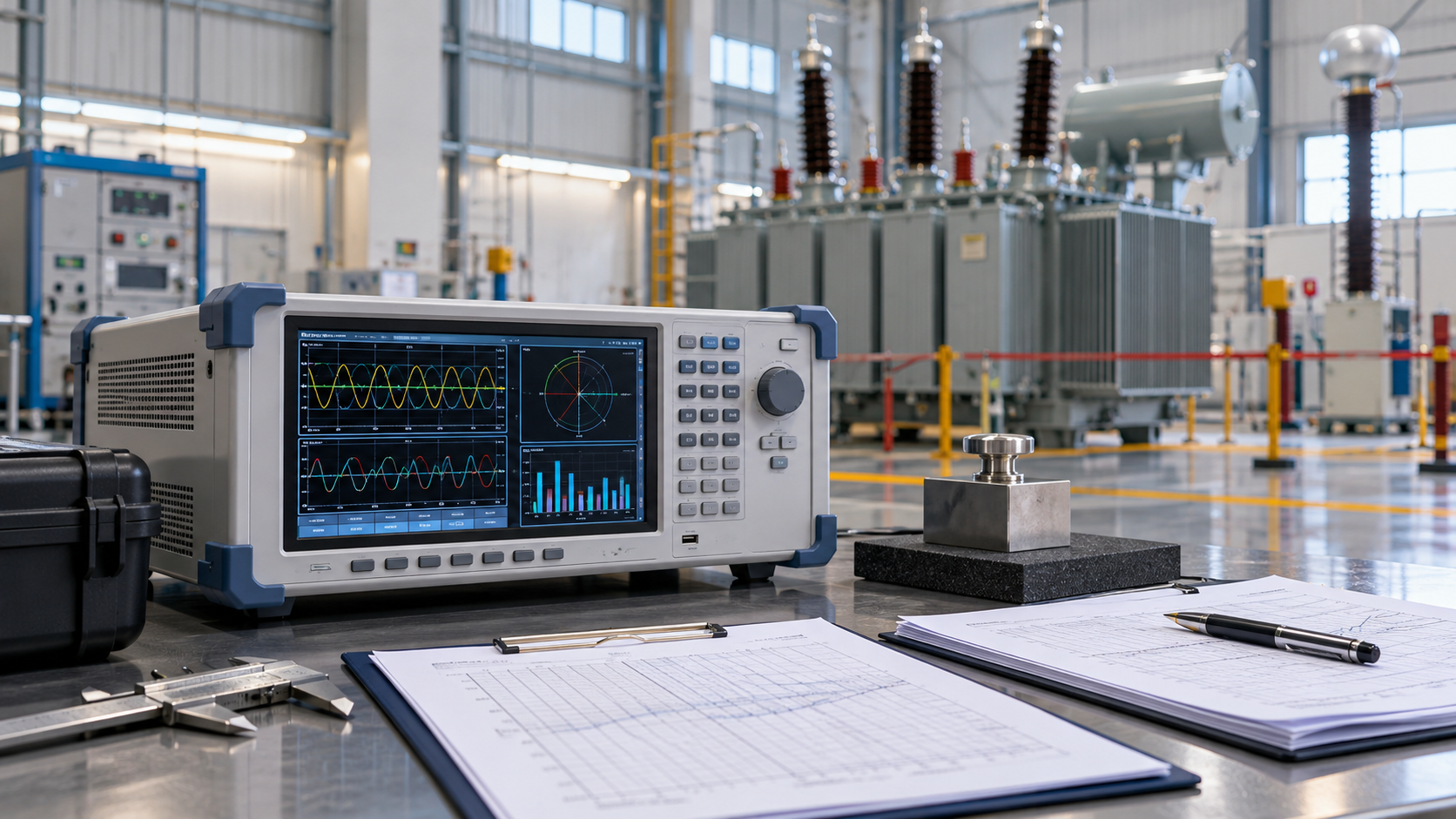
A leak-tightness test looks for an unintended path through welds, flanges, gaskets, valves, or fittings. A structural pressure or vacuum test checks the tank’s ability to withstand a defined load or differential pressure under a prescribed method. The two may be sequenced together, but the evidence and acceptance criteria are not automatically interchangeable.
Ask the supplier to state whether the test is performed with oil, air, nitrogen, or another medium; which valves and accessories are included; what parts are blanked; what instrument measures pressure; how temperature effects are handled; and whether the test covers the main tank, conservator, radiators, or separate compartments. Avoid the vague statement “tank tested” in a FAT report.
Before the test, compare the method statement with the approved general arrangement and tank drawings. Check the design pressure/vacuum basis, tank type, corrugations or stiffeners, conservator arrangement, radiator isolation, cable box or turret interfaces, and any components that must be excluded or protected. A tank with a flexible wall or a different preservation arrangement may require a different procedure from another transformer, even when the nameplate ratings look similar.
If the project specification and OEM procedure conflict, resolve the discrepancy through a technical query before the witness. The test should not be improvised at the FAT bench to satisfy a schedule milestone.
At the start, confirm the transformer identity, tank configuration, ambient and tank temperatures, oil or gas condition, instrument IDs, and test pressure reference. Record the initial state and any stabilization period specified in the procedure. During the hold, observe the defined points for seepage, pressure change, deformation, abnormal noise, or instrument instability. A pressure trend alone may not locate a leak, while a visual check alone may miss a concealed interface.

Use the approved method for leak detection and avoid unapproved soaps, solvents, or coatings that may contaminate paint, gaskets, or insulating liquid. If a leak is found, record the precise location, medium, operating state, and test stage. Repair approval, surface preparation, weld repair, replacement parts, and retesting should follow the OEM’s written disposition and the project quality plan.
| Evidence | Review question |
|---|---|
| Approved procedure and drawing revision | Does the method match the as-built tank and the contract? |
| Test boundary and equipment list | Are the included compartments, valves, and blanks identifiable? |
| Instrument certificate and readings | Can a reviewer reproduce the pressure basis and hold history? |
| Inspection locations and observations | Are the checked welds, flanges, joints, and accessories traceable? |
| Deviation, repair, and retest records | Is the final state supported by evidence after corrective work? |
| Restoration checklist | Were temporary connections removed and preservation restored? |
Keep the raw readings and time stamps with the signed report. If the test includes a pressure drop or vacuum decay criterion, state the baseline, instrument resolution, temperature conditions, correction method if applicable, and the specified acceptance threshold. Do not invent those values after the test.
A pressure value without its reference is incomplete. Specify whether each reading is gauge pressure, absolute pressure or a stated differential pressure, together with the units and the measuring point. A vacuum reading must identify the convention used; a value copied from a differently labelled gauge cannot be treated as equivalent. The record should also show whether the tank remains connected to the pressure or vacuum source during the observation period, since that changes what the trend can demonstrate.
Review temperature and configuration alongside the readings. A change in gas temperature, a valve movement or a changed connected volume can affect the recorded trend. Such a change needs an explanation under the approved procedure; it should neither be dismissed automatically nor labelled a confirmed leak without investigation. The purchaser needs the original time-stamped observations and the manufacturer’s interpretation, not only a final tick in a report.
| Finding at FAT review | Required disposition before release |
|---|---|
| Pressure reference or instrument identity is missing | Obtain traceable records; do not infer the missing reference from the numerical value. |
| One accessory was isolated from the tested volume | Identify the excluded interface and its separate approved inspection or test evidence. |
| A seal or fitting was disturbed after a successful test | Ask engineering to define the affected boundary and required retest; retain the original result and subsequent work record. |
| A leak was repaired | Link the repair approval, completion inspection and approved retest record to the same equipment identity. |
The release record should name the person authorized to accept each disposition and list any open hold point. This makes the handover useful to the receiving project team without turning a document review into an improvised testing instruction.
Release requires more than a passed box. The report should identify the tested volume, the agreed procedure revision, the inspector and witness, the instrument traceability, the observed result, and any open deviation. After testing, confirm plugs and valves are returned to the shipping or preservation position, the tank is left in the specified condition, and temporary equipment is removed. Link the record to the broader transformer delivery release checklist and the approved oil-preservation arrangement. The product’s oil-immersed transformer information is a configuration reference, not a substitute for the unit’s certified drawings.
For EPC procurement, agree the tank test method and evidence list before manufacturing release. Zisheng Electric can help coordinate the technical submittal, FAT witness points, and delivery records so that the test result has a clear contractual meaning.

Plan transformer oil containment design for EPC substations by coordinating oil inventory, bund capacity, drainage, fire strategy, civil interfaces, construction inspection and pre-energization acceptance.
View details
Plan a substation temporary power interface for EPC projects: source capacity, earthing, protection, cable routing, backfeed prevention and permanent changeover.
View details
Review OLTC dynamic resistance measurement at FAT: distinguish current ripple from resistance, check comparable traces and close anomalies with OEM evidence.
View details
Plan substation DC earth fault location acceptance with verified feeder identities, monitoring boundaries, alarm interfaces and traceable handover evidence.
View details