 zishengelectric



news
News Center
Providing high-quality power to the world
Search productSearch post
news
Providing high-quality power to the world
Routine tests check individual transformers, type tests demonstrate specified characteristics of a representative design, and special tests address additional agreed requirements. They are different categories of evidence, not three quality grades. When an EPC buyer asks Zisheng Electric for a factory test package, the useful next question is which tests and records the particular order requires.
A quotation saying “IEC tests included” leaves too much unresolved. It may not identify the governing edition, the offered design, the units to be tested or the reports supplied. This introductory guide helps buyers build a clear test-scope schedule before the factory acceptance test, commonly called FAT.

| Category | Main purpose | Procurement question |
|---|---|---|
| Routine | Tests applied to each individual transformer under the applicable requirements | Will every supplied serial number have the required results? |
| Type | Evidence from a representative transformer for specified design characteristics | Why does this tested design represent the offered equipment? |
| Special | Additional tests agreed between purchaser and manufacturer | Which test, unit, method, acceptance rule and price have been agreed? |
IEC 60076-1:2011 provides general requirements for power transformers within its scope. The GSO adoption preview of IEC 60076-1 also exposes the test-classification definitions. Check the contract’s adopted edition and the relevant parts of the transformer standard series when establishing the actual test list. This article does not reproduce a complete normative test schedule.
The word routine describes the application of the test to individual units. It does not mean the result is unimportant. For procurement control, the key is traceability: the report must identify the supplied transformer and the conditions under which its results were obtained.
Suppose an order contains three transformers. A report for one serial number should not be presented as the routine-test record for all three. Ask for an equipment-to-report index and check that the ratings, winding designations and test scope correspond to each unit. Where a report has been revised, retain the revision trail rather than replacing an unexplained result.
Do not confuse routine factory testing with later site checks. Transportation, assembly and installation create different questions. A factory report provides evidence from the manufacturing stage; a site record describes the installed equipment and the approved field method. Neither should silently replace the other.
A type-test certificate is useful only when the manufacturer explains its applicability. Similar nameplate ratings alone do not establish that link. Ask which drawings, materials, manufacturing techniques and factory relate the tested transformer to the proposed supply, and which differences require technical assessment.
Review relevance separately for each test. A design difference may be unimportant for one characteristic but important for another. The buyer’s technical reviewer should assess the manufacturer’s explanation and any required agreement. A generic certificate folder labelled “our transformers” is not an applicability assessment.
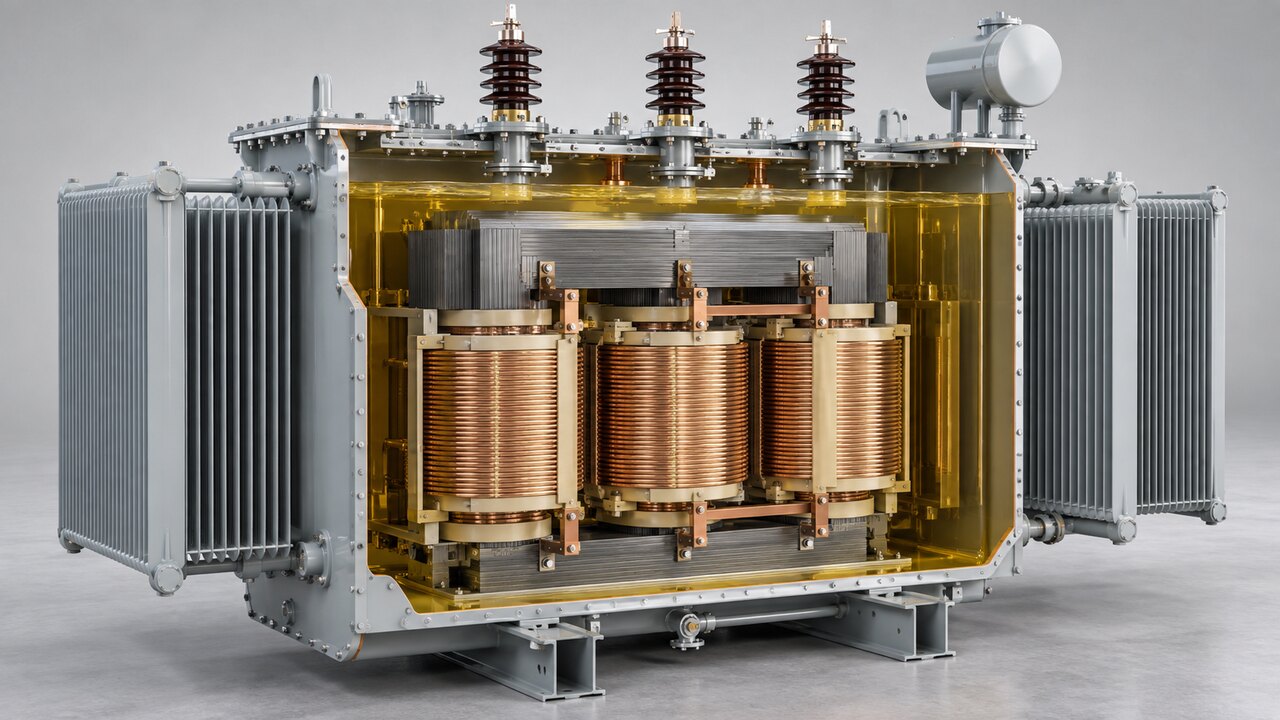
Consider a hypothetical offer that references a previously tested transformer but changes its cooling arrangement. The EPC team should ask how that change affects the particular evidence being relied on. The correct response is a documented review of applicability, with additional evidence or testing where necessary. Neither automatic acceptance nor automatic rejection follows merely from the existence of a different drawing revision.
“Special” does not mean a test is unnecessary once it is specified in the contract. It means the additional scope needs clear agreement. Avoid listing a test name without defining the equipment, test method, relevant standard, acceptance basis and required report.
For tender evaluation, ask whether the price includes the test itself, external laboratory work where applicable, witness arrangements and any additional schedule allowance. Identify exceptions before award. A late request can create a commercial change even when both parties agree that the evidence would be useful.
Project specifications can add requirements beyond a base standard. For example, the IOGP S-720 June 2025 supplementary specification adds to the IEC test requirements for its procurement context. Its provisions should not be treated as automatically mandatory for every transformer order; they matter when incorporated into the governing project requirements.
A routine test can be witnessed. A type-test report can be reviewed. A special test can have a hold point. Category tells the buyer what kind of evidence is involved; the inspection plan defines attendance and release responsibilities.
Use the FAT witness planning guide to assign witness and review points after the technical scope is settled. For results near an acceptance boundary, agree the measurement uncertainty and decision rule before testing. The label “routine” does not supply a missing acceptance rule.
Create one row per required test. Record the governing document and edition, category, applicable units, new-test or existing-report basis, witness status, acceptance authority, report deliverables and any tender exclusion. Keep unresolved applicability questions visible with an owner and due date.
For a 110kV–115kV power transformer enquiry, send Zisheng Electric the project test specification and proposed schedule alongside the equipment datasheet. State whether previous type-test evidence may be considered and who approves its applicability. This allows both parties to price and plan the same evidence package before manufacturing proceeds.
A practical EPC guide to evaluating transformer suppliers for Middle East and Africa projects, covering IEC compliance, testing, manufacturing, logistics, FAT, site service and after-sales support.
View details
Review OLTC dynamic resistance measurement at FAT: distinguish current ripple from resistance, check comparable traces and close anomalies with OEM evidence.
View details
Transformer bushing specification guide for EPC substations covering rated voltage and current, insulation levels, creepage distance, CT terminal interfaces, dimensional checks, FAT evidence and commissioning acceptance.
View details
Review transformer sound level FAT reports: align acoustic metrics, cooling cases, measurement evidence and acceptance decisions before EPC release.
View details