 zishengelectric



news
News Center
Providing high-quality power to the world
Search productSearch post
news
Providing high-quality power to the world
Copper windings do not automatically make a transformer the better purchase, and aluminum windings do not automatically make it less efficient. Compare the complete designs against the same project requirements. For an EPC bid review with Zisheng Electric, winding material is one declared design choice; guaranteed performance and documented compliance remain the basis for acceptance.
This guide is for procurement teams comparing technically different offers. It explains which questions to send back to suppliers before an apparently simple material preference becomes an unpriced scope change.
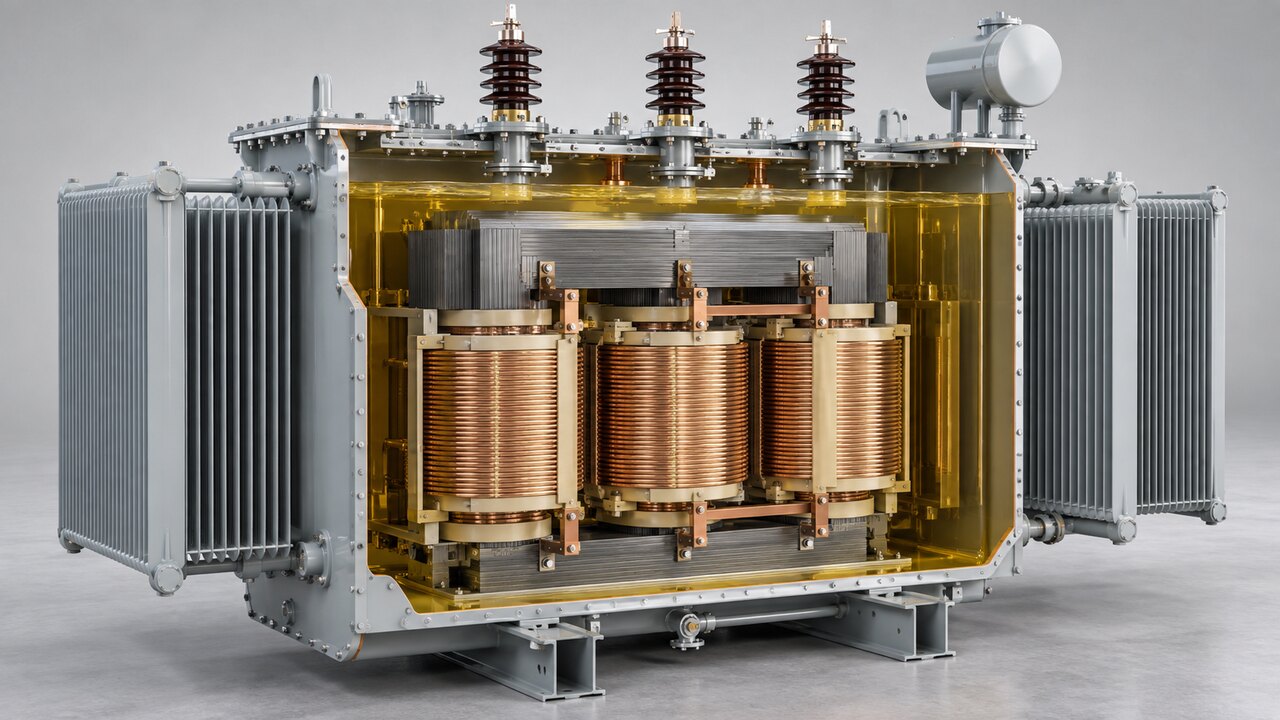
The winding conductor carries current inside the transformer. Copper has higher electrical conductivity than aluminum, so equal lengths with equal cross-sectional area do not have equal resistance. However, manufacturers do not have to use identical conductor dimensions in competing designs. They can change conductor area, winding geometry and other design features to meet a specified performance requirement.
That is why a material label cannot establish the finished transformer’s losses. Schneider Electric’s guidance on its low-voltage dry-type transformer range states that copper does not offer an average efficiency or life-expectancy benefit simply by being selected. That statement concerns its stated product range; it is not proof that every copper and aluminum power-transformer design is interchangeable.
Start with the owner’s specification. If it requires copper, an aluminum offer is a deviation even if its claimed losses are attractive. The EPC buyer cannot silently accept the substitution. Ask for the owner’s technical disposition and a revised guarantee schedule if an alternative is allowed.
If the specification permits either material, issue one common performance schedule. Keep the conductor declaration visible, but do not award points for assumptions that have not been demonstrated. A supplier saying “equivalent” should identify exactly which requirements remain equivalent and which physical or maintenance details change.
| Comparison item | Request from both bidders | Reason it matters |
|---|---|---|
| Winding material | Declaration for each relevant winding | A general brochure may not describe the offered unit |
| Losses | Guaranteed no-load and load losses with reference conditions | Material alone cannot quantify operating energy |
| Thermal performance | Specified temperature-rise and cooling basis | Similar ratings can conceal different service assumptions |
| Physical envelope | Guaranteed dimensions, transport mass and interface drawing | The replacement design must fit the project |
| Qualification evidence | Applicable test records and design substantiation | Claims must relate to the offered construction |
No-load loss occurs while the transformer is energized and is mainly associated with the magnetic core. Load loss includes winding resistive loss and other load-related losses. Replacing the conductor does not, by itself, define either guaranteed value.
Compare values at the same rating, frequency, tapping basis and specified reference temperature. Also identify whether numbers are guarantees or typical estimates. Two brochures can appear to offer equal efficiency while describing different loading points or temperatures. Request a normalized schedule rather than trying to correct an unexplained headline percentage.
Once the technical basis is aligned, the transformer loss evaluation guide explains how the owner can compare purchase price and loss cost. Use the same evaluation method for both conductor options. Do not invent a fixed percentage efficiency penalty for aluminum.
The active part is the core-and-winding assembly. A change to its design can affect the transformer envelope, mass or interfaces, but the direction and size of those changes must come from the supplier. Do not assume that a lighter conductor always means a lighter complete transformer.
Ask whether the external terminals change, which conductor materials the terminal connectors accept, and which installation instructions apply. The internal winding material does not identify the material of every external terminal. Site teams need the approved connection details, not a generic instruction labelled “copper transformer.”
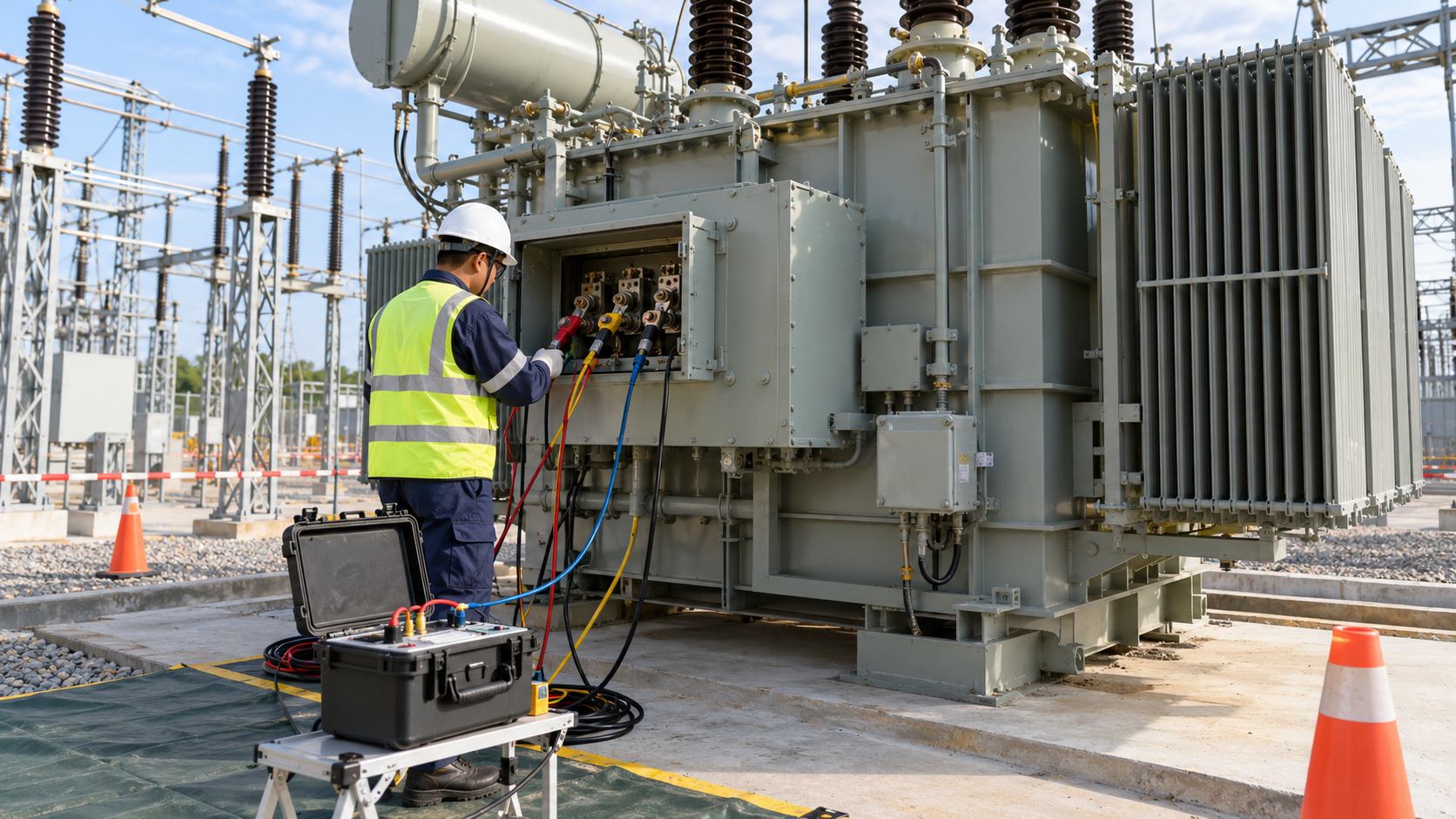
The final records should connect the offered material declaration, approved design and tested unit. A resistance result can support comparison with the design, but it is not a standalone material certificate. Keep manufacturing traceability separate from the electrical performance report, and have the responsible technical reviewer reconcile both.
For the later site stage, winding resistance handover guidance addresses temperature, tap position and comparable records. A field baseline is useful for condition comparison; it should not be presented as a substitute for the purchase-order material declaration or factory loss guarantee.
In a hypothetical tender, an aluminum design meets every approved requirement while a copper alternative has lower guaranteed losses but a higher purchase price. The correct decision depends on the owner’s evaluation method and constraints. If copper is mandatory, obtain a compliant offer. If either is permitted, compare the documented whole package. Neither material wins solely by name.
For a 110kV–115kV transformer enquiry, send Zisheng Electric the material requirement, loss guarantees, service conditions and available installation envelope. State whether alternatives are permitted. This makes the response a comparable technical offer rather than an unsupported argument about which metal is better.

Compare autotransformers and two-winding transformers for EPC procurement. Check electrical isolation, system compatibility, ratings and tender deviations.
View details
Learn what a power transformer does, how magnetic induction changes voltage, and which ratings, components and project inputs EPC buyers should confirm.
View details
Understand transformer no-load current, why it differs from no-load loss and inrush, and how EPC buyers can compare factory and field results correctly.
View details
Translate a tap range into actual primary voltages, check the nominal position and compare two transformer bids against the supply range specified for your project.
View details