 zishengelectric



news
News Center
Providing high-quality power to the world
Search productSearch post
news
Providing high-quality power to the world
VPI and VPE describe insulation processing or protection, but the abbreviations alone do not establish which dry-type transformer is suitable for your site. VPI means vacuum pressure impregnation. VPE can mean vacuum pressure epoxy or vacuum pressure encapsulation, depending on the supplier. When requesting a Zisheng Electric quotation, ask for the actual construction and its intended duty alongside the acronym.
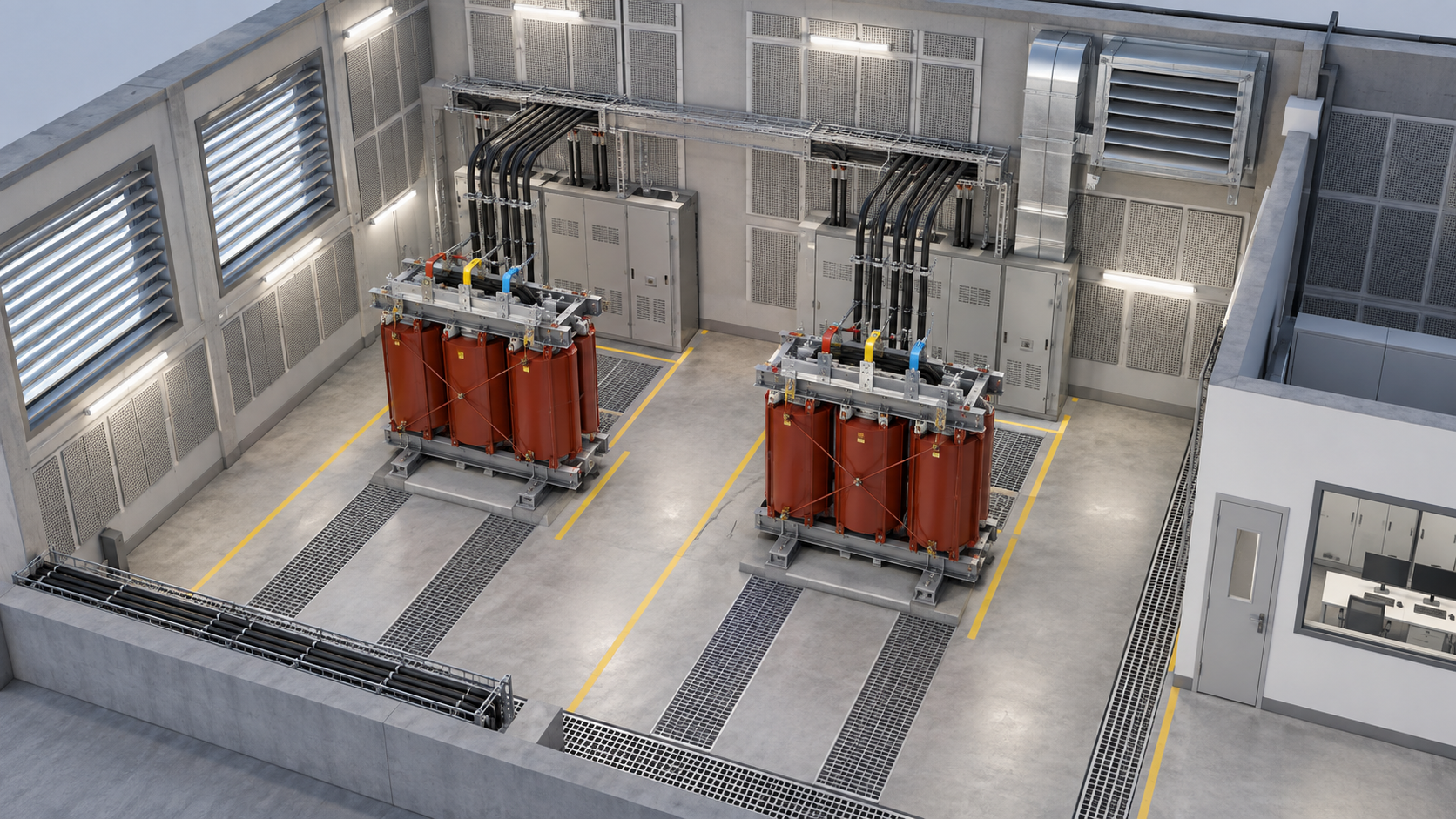
For an EPC buyer, the useful comparison is between two complete offers under the same conditions. A label that sounds more protective is not a substitute for defined performance. This matters when one bidder offers an alternative to the specified insulation system and expects approval before manufacturing.
Impregnation introduces insulating resin into a winding assembly using a controlled process involving vacuum and pressure. Encapsulation generally suggests a more substantial insulating coating, but terminology and process details vary. Hammond Power Solutions explicitly cautions that the meanings of VPE and the quality of the resulting systems cannot be reduced to a universal ranking.
Request a short construction statement identifying the resin system, winding treatment and which parts of the assembly are covered. If the offer says epoxy, establish whether it describes impregnation with epoxy or a different construction. Do not silently equate every epoxy-treated winding with a fully cast-resin winding.
Eaton’s secondary-unit-substation guide illustrates this distinction within its own range: it describes VPI polyester treatment and optional VPE arrangements. Those product descriptions are useful examples of the information a bidder can provide. They are not universal definitions that all other manufacturers must share.
Write down the site’s actual exposure: indoor or outdoor installation, airborne contamination, possible condensation, temperature range, altitude and cleaning access. “Industrial environment” is too broad. A clean electrical room and a room exposed to conductive process dust present different questions even when they belong to the same factory.
| Comparison item | Information to request from both bidders | Why it matters |
|---|---|---|
| Insulation construction | Supplier definition, resin system and treated components | Establishes what is actually being purchased |
| Environmental suitability | Declared conditions and supporting qualification evidence | Connects the proposed design to the site exposure |
| Enclosure | Protection rating, openings and installation restrictions | A winding coating does not define cabinet protection |
| Thermal duty | Guaranteed rating, rise, cooling mode and ambient basis | Prevents comparing different operating capabilities |
| Maintenance | Inspection, cleaning and storage instructions | Reveals the owner’s continuing obligations |
Keep the commercial comparison open until these entries are aligned. A higher price may include an enclosure, monitoring or a different loss guarantee as well as another insulation process. Attribute each price difference to a defined scope item rather than assigning the entire premium to the letters VPE.

Request the relevant qualification or test documents with their scope and identification. Check whether the evidence concerns the same insulation system, construction and conditions as the offer. A brochure for a product family can start the review; it cannot by itself resolve a design-specific exception.
A photograph is also insufficient evidence of resin chemistry, process quality or electrical performance. Visual similarity between coils does not prove interchangeability. Conversely, a different appearance is not automatically a defect. Give the technical reviewer documented characteristics against which to assess the alternative.
Do not infer overload capability from the insulation abbreviation. Use the thermal class and temperature-rise explanation to keep the thermal guarantee separate. Check the transformer room layout as well: neither coating choice removes the need for suitable ventilation and access.
Record whether the proposed construction meets the original specification or requires an approved deviation. Attach the supplier definition, agreed environmental conditions and remaining restrictions to the purchase documents. If both alternatives satisfy the same requirement, compare verified losses, maintainability, delivery and total scope instead of inventing a universal technology winner.
The 100 kVA dry-type transformer product page identifies available construction options for an enquiry. Send Zisheng Electric the required rating, site exposure and competing construction descriptions so the engineering discussion can resolve the actual differences before order placement.
Technical references: Hammond VPI and VPE terminology and Eaton secondary unit substation design guide.
Compare copper and aluminum transformer windings using guaranteed losses, thermal performance, dimensions and evidence instead of material claims alone.
View details
Understand transformer BIL, distinguish impulse withstand from operating voltage, and check the terminal, test basis and supplier evidence before approving an EPC datasheet.
View details
Compare autotransformers and two-winding transformers for EPC procurement. Check electrical isolation, system compatibility, ratings and tender deviations.
View details
Read both digits of IP23, identify the enclosure covered by the rating and check ventilation, cable entries and site exposure before accepting a transformer bid.
View details